






 POLYWOOD
My Wishlist
Easily build your wishlists, or save them for later to add to the cart. Click here for details.
POLYWOODEasily build your wishlists, or save them for later to add to the cart. Click here for details.
Main Menu - Mobile

Gently swaying on a front porch, relaxing in a verdant garden, sitting poolside as you watch the kids play: There’s nothing quite like the serenity an outdoor glider affords. This seating style combines the comforts of a rocking chair with the peaceful back-and-forth motion of a porch swing, the perfect way to enjoy the company of a friend or a quiet cup of tea.
In This Article
The material you choose for your outdoor glider is an important decision. Ultimately, it comes down to your environment. If your outdoor space experiences harsh climates, weather-resistant and low-maintenance materials are your best bet. If you plan to use your glider on a covered porch or sunroom, less durable options could work and may be better on your budget. Here are some popular outdoor glider materials:
Durable and resistant to rust, these metals are widely popular for outdoor furniture. Both aluminum and steel can be left outside year-round but may get uncomfortably hot in the summer sun. Some designs feature hollow tubing, which makes these gliders vulnerable to strong wind gusts.
A more traditional metal for patio furniture, wrought iron is beloved for its elegant appearance. However, these gliders are susceptible to rust and require more maintenance to keep things running smoothly. Wrought iron gliders are also heavy, meaning they stand up to wind but are hard to move around.
Some gliders are crafted of pine or other softwoods, which are abundant and typically inexpensive. However, they don’t tend to weather well and need frequent refinishing. It’s recommended to store or cover this material during inclement weather or when not in use.
Solid hardwood, like teak, oak, and acacia, has more weather-resistant properties than softwood. While relatively resilient to the elements, they still require semi-regular maintenance to ensure longevity.
Wicker furniture refers to the weaving process, not a single material. Natural materials like willow, bamboo, and rattan are popular choices for wicker furniture, but they won't endure the elements well. Resin wicker, also known as all-weather wicker, is a better option for outdoor spaces. Keep in mind that wicker usually has deep grooves, which can be hard to clean.
Ultradurable, versatile, and low-maintenance, HDPE is arguably the best material for outdoor seating. It’s fadeproof, weather-resistant, and easy to clean. HDPE lumber is often made from recycled single-use plastics, such as milk jugs and laundry detergent bottles. It can be more expensive than other materials, but once you factor in durability, longevity, and sustainability, this will often offset the overall cost.
Some glider styles use mesh for the seats and backs. Typically made from a poly material, the lightweight mesh will need to be held in place by a more durable frame (think metal or HDPE).
PRO TIP:
When it comes to the gliding mechanism, you want the hardware to be rust-resistant and reliable in all weather conditions. Marine-grade quality metals, such as stainless steel, are a great choice.
To find the right size glider, you should know the square footage of your space and the number of people you want to accommodate. While they offer a smaller range of motion than rocking chairs, gliders do need some open space to move freely. We recommend two feet of clearance to the front and back for standard outdoor gliders.
There are a few types of gliders, including indoor and outdoor designs. Indoor gliders, which are widely used in nurseries, are usually upholstered single seats with cushy padding. Many are available with swivel and reclining features. Outdoor gliders come in both chair and bench styles, and they are a favorite for front porches, decks, gardens, and poolsides.
Chair-style gliders are typically made for one person and may have a matching ottoman that you can add on. Some designs connect two chairs together but have individual backs. These two-person chair gliders may feature a handy surface in the middle for drinks, snacks, or devices.
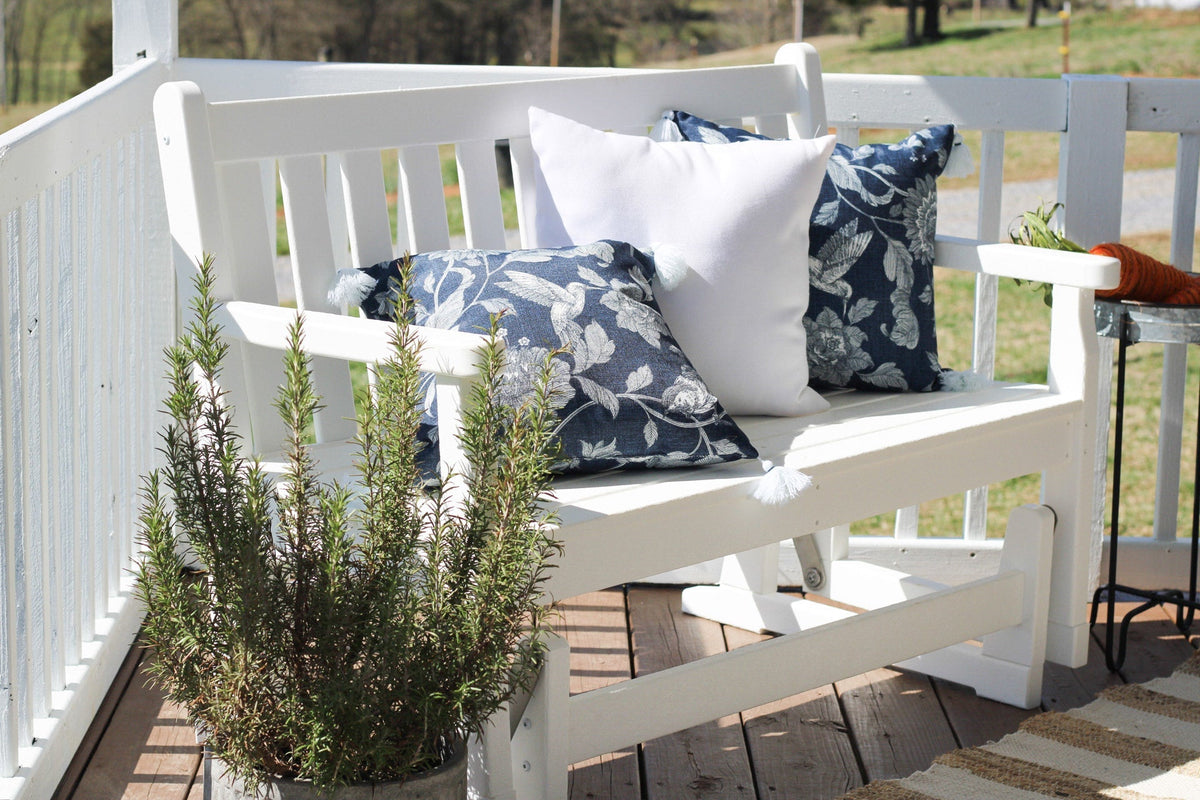
The most common design for two or more people is the bench-style glider. This style offers an open seat and back, which is great for cozying up with a loved one or enjoying a little extra room when you’re solo.
The right color for your rocking chair ultimately comes down to personal preferences. Black, white, or grey rocking chairs play well with modern design. Earth tones such as brown or beige blend beautifully with their natural surroundings. Vibrant hues like red, orange, blue, and green bring unmatched energy to an outdoor space. That said, your colors may be somewhat limited depending on the material—and painted materials do fade over time. If you opt for an HDPE glider, you’ll have a rainbow of color options that will stay vibrant for years to come.
The original patent for the glider chair mechanism was granted to George F. Hall in May 1888, but Hall re-assigned it to Peter Lowentraut soon thereafter. These chairs are sometimes referred to as Lowentraut gliders, but many variations have hit the market in the decades since. Today, gliders are popular choices for nurseries, front porches, and beyond, thanks to their soothing motion and comfort-forward designs.
Outdoor gliders sway back and forth on a fixed track or base. This signature motion is created by glider-bearing arms that attach the base to the seat and swing like pendulums. Unlike porch swings, gliders are freestanding designs, meaning they don’t require installation or certain architectural features to enjoy them.
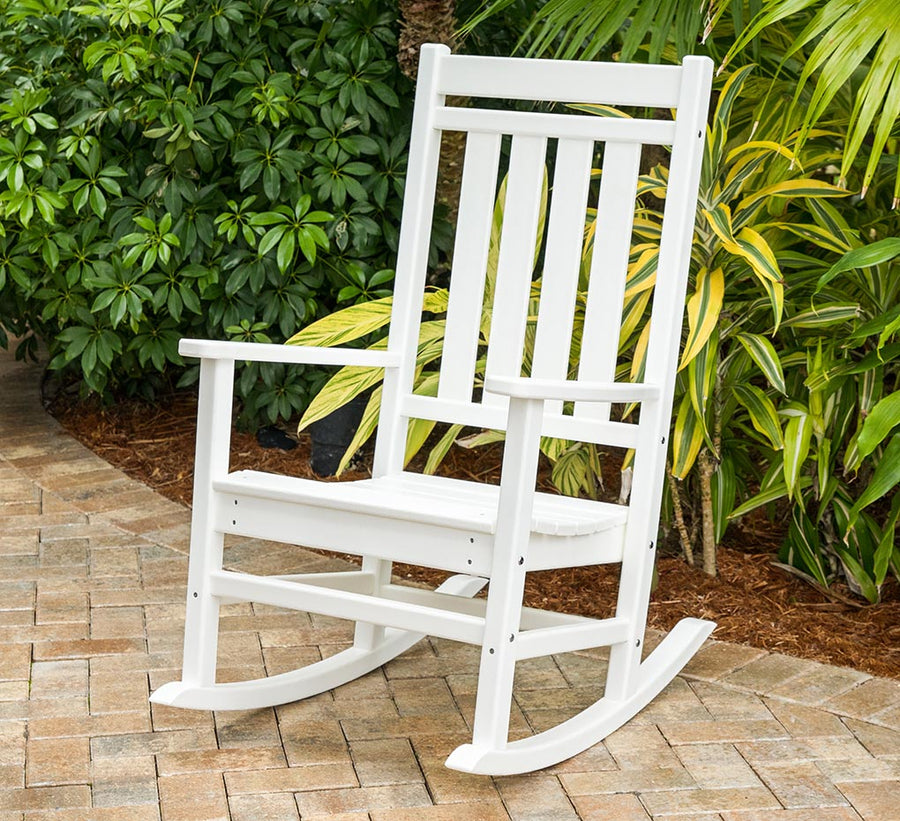
Rocking chairs are another seating style that’s similar to gliders. While they serve the same purpose (rest, relaxation, and easy-breezy motion), you’ll want to understand the differences between the two so you can confidently choose the chair that best suits your space and needs.
There are a few key differences to note when deciding between a rocker and glider for your outdoor space. Gliders move along fixed bases while rocking chairs are mounted on two sloped runners. The former offers a straight, subtle movement, while the latter has a greater, arc-like range of motion.
Since outdoor gliders are exposed to the elements, they should be heavy enough to handle strong storms and high winds. The last thing anyone wants is an upside-down or damaged glider clear across their yard.
But furniture can also be too heavy, to the point where it’s difficult to move if you decide to redesign your space or buy a new home. To strike a balance between the two, look for outdoor gliders between 55–80 pounds.
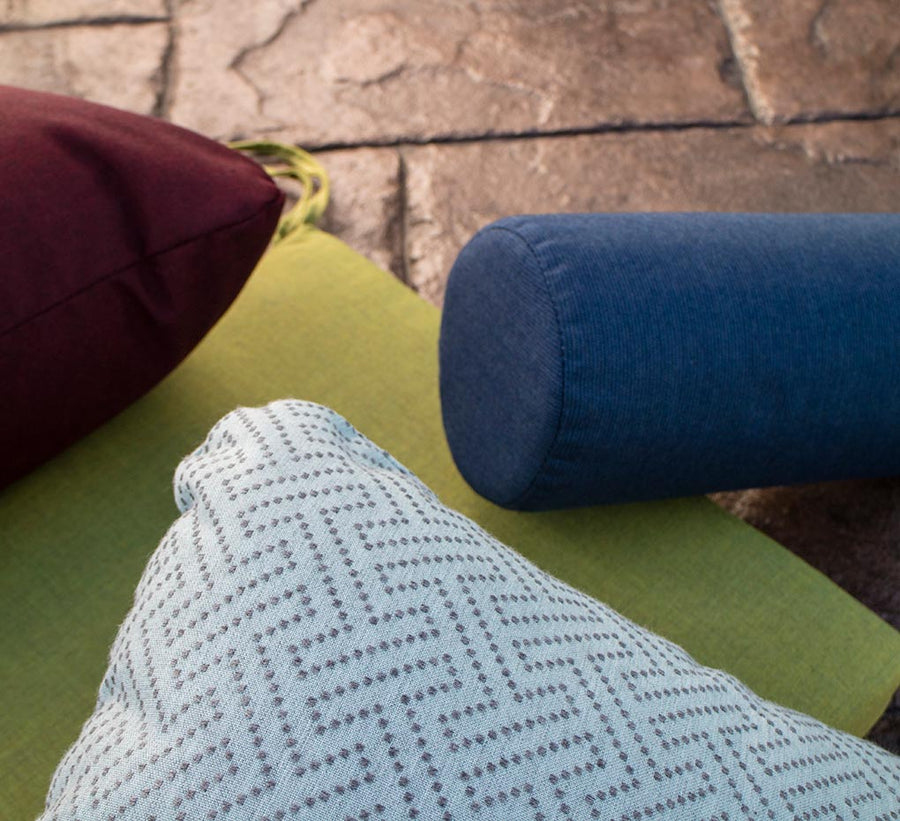
Some gliders are designed with mesh seats and backs, and the best material for this style is vinyl-coated polyester. This all-weather fabric is prized for its breathability, mildew- and tear-resistant properties, and weight-bearing capacity. If you’re adding pillows or cushions to your wood, HDPE, or metal glider, look for ones tailored with all-weather performance fabrics that dry quickly and resist mildew, stains, and tears.
Are you missing items in your cart? Sign In


