










 POLYWOOD
My Wishlist
Easily build your wishlists, or save them for later to add to the cart. Click here for details.
POLYWOODEasily build your wishlists, or save them for later to add to the cart. Click here for details.
Main Menu - Mobile

A cool glass of lemonade, the smell of fresh-cut grass, the sound of rustling leaves: Some things imbue an instant sense of nostalgia in those who love spending time outside. But swaying on a porch swing? That tops the list.
Front porches—and the iconic front porch swing—have a longstanding history in American culture and architecture. While other outdoor living spaces, such as private patios and balconies, have gained in popularity over the past several decades, the porch swing’s versatility has earned it the title of "the seat you can enjoy anywhere" (as long as there’s a structure to support it). Whether you’re waving to the neighbors from the porch or enjoying a glass of wine out back, an outdoor swing is a cozy perch for well-deserved R&R at home.
Thanks to their gentle swaying motion, swings are prime real estate for enjoying your morning coffee or tea. And they’re the perfect place for snuggling at sunset or watching the stars during summer nights. So, if you have the budget and a place to put one, a porch swing is a sound investment.
But there are a few considerations to make before you buy, from the practical (think materials, measurements, and installation) to the actual style and add-on accessories. Deciding what’s most important to you is a good place to begin, and from there you can further whittle down the types of porch swings you’re looking for.
The material you choose for your patio swing will ultimately determine its durability and longevity. If your space is subject to inclement weather or if you have kids and pets, look for resilient and low-maintenance options. If your porch is well protected and you don’t mind a refinishing project every year or so, less durable materials could work and may fit your style, space, or budget better. Here are some common options:
Porch swings range in both width and depth. When deciding what will work best for you, consider these three key factors: the square footage of your space, the number of people you want to accommodate, and plans for use. To truly determine the best fit, you’ll want to grab your measuring tape.
Width: Smaller seats typically range between 2–4 feet long, making them comfortable enough for 1–2 adults. If you entertain often, have many family members, or prefer to lay down while reading, look for a large seat that’s 5–7 feet long.
Depth: Referring to the distance between the front and back of the seat, swing depth varies greatly (approximately 18–36 inches). What you choose should be determined by your desired comfort levels, available space, and family members' heights. The deeper the seat, the better for taller folks and nap-taking.
Now that you’ve narrowed down the best materials and size for your space, it’s time to talk swing styles.
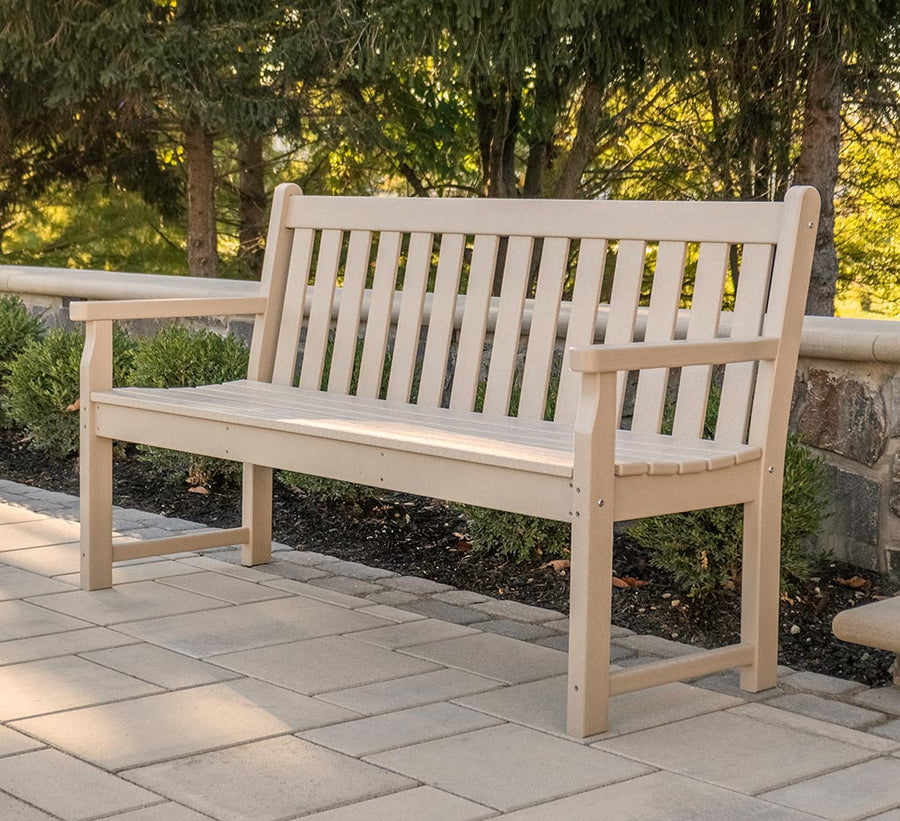
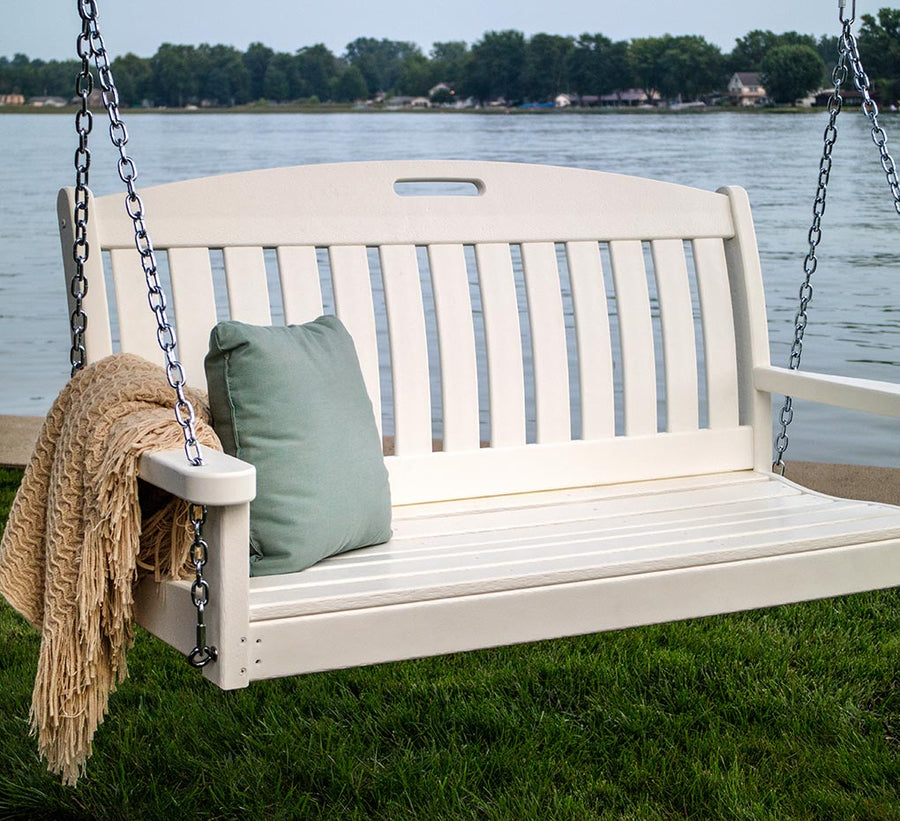
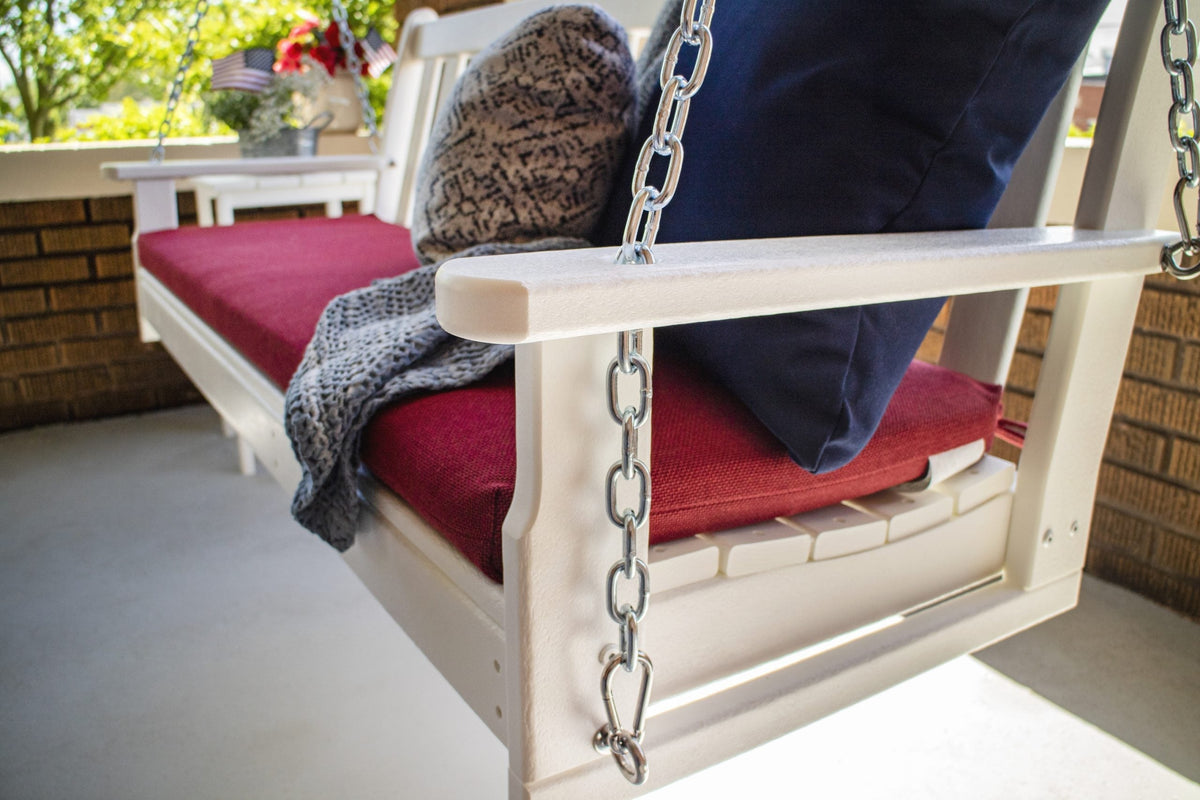
Quintessential porch swing designs with bench-style seating, slatted backs, and armrests at both sides.
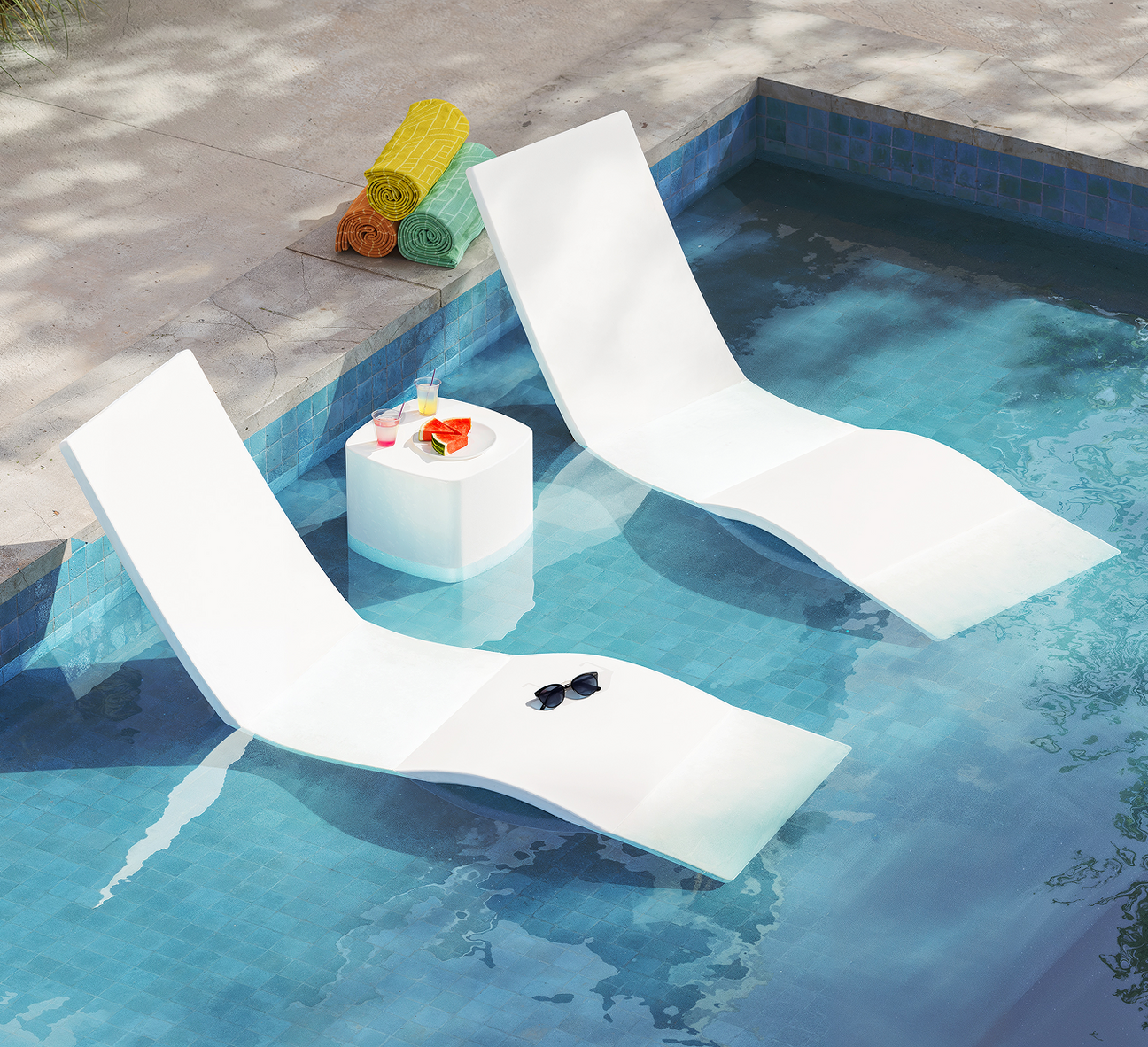
With even more space to stretch out than deep seating, these are the ultimate lounge or snuggle spot.
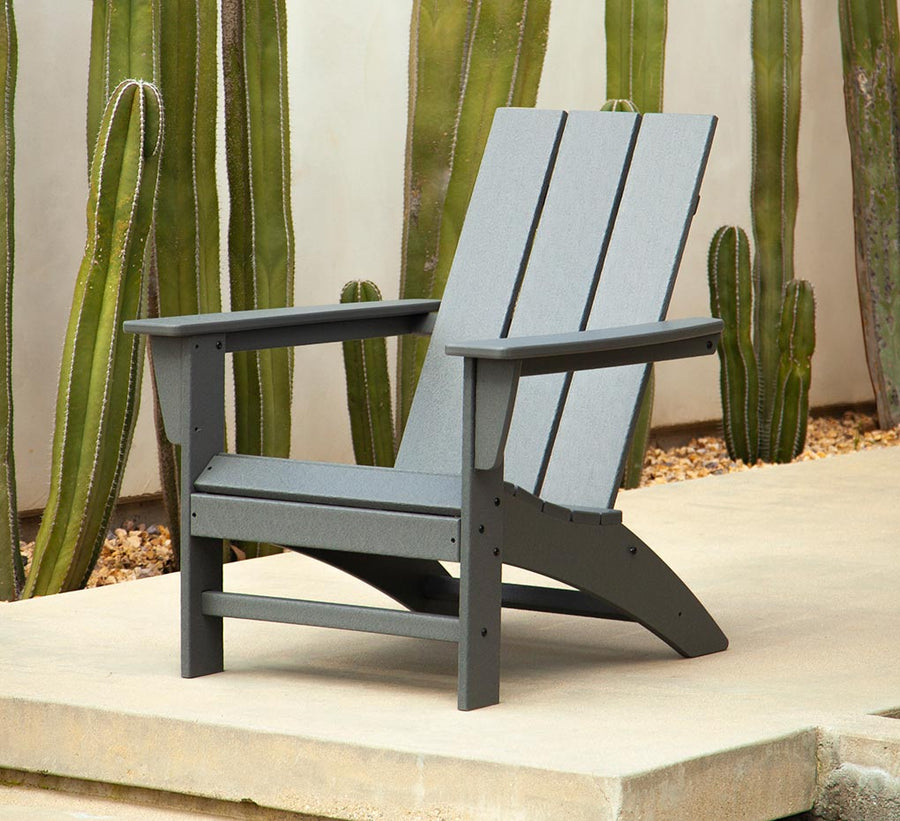
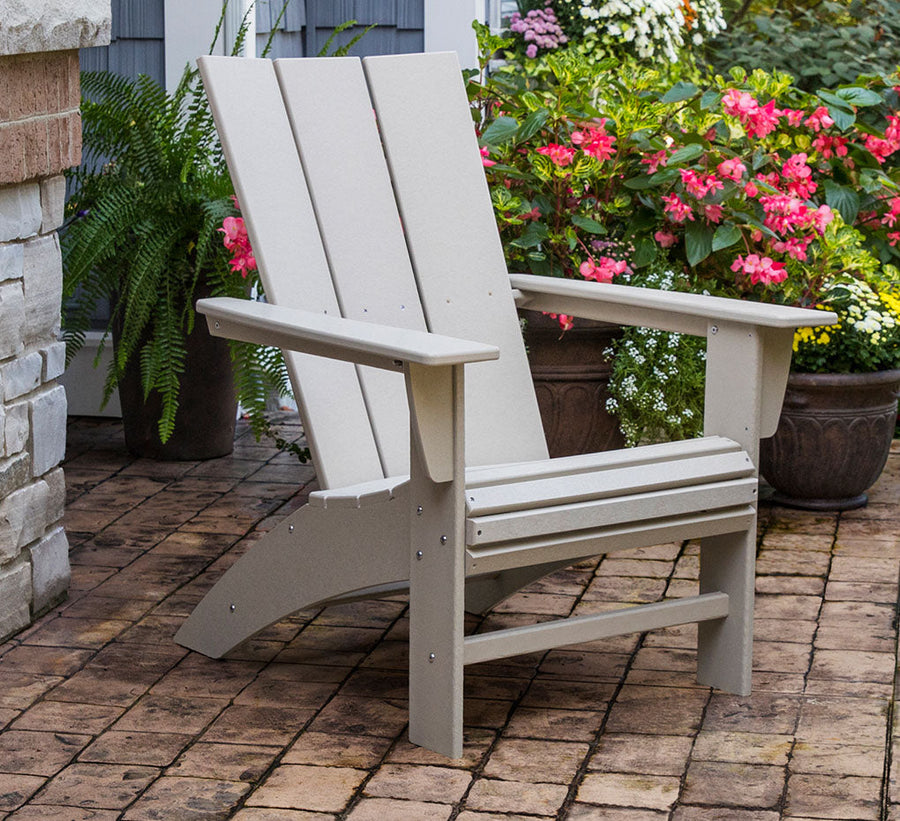
Designed with the wide armrests, comfy contoured seat, and a waterfall front Adirondacks are known for.
Once you’ve checked off all the other steps, you can decide the hue of your new swing. Here are some popular color choices:
POLYWOOD Heritage™ Traditional Colors
Did you know swings help your mental and physical health? They have been reported to ease anxiety and restlessness, boost circulation, and increase concentration. You can also gently exercise your legs by pushing the swing back and forth.
Outdoor porch swings come in various sizes, but most are designed for two to three people. Some large seats even double as daybeds. These roomy, crowd-pleasing styles make them great conversation starters or landing pads for an afternoon nap.
Charming and oh-so enticing, porch swings have a way of pulling your front porch together. They can elevate a once-simple space into a dreamy oasis that will catch the eye of any passersby.
The golden rule is to have 3–4 feet of clearance to both the front and back, allowing for the full range of motion. Keep 12–14 inches of open space on either side to prevent the swing from bumping into other furniture.
Are you missing items in your cart? Sign In


