



















 POLYWOOD
My Wishlist
Easily build your wishlists, or save them for later to add to the cart. Click here for details.
POLYWOODEasily build your wishlists, or save them for later to add to the cart. Click here for details.
Main Menu - Mobile

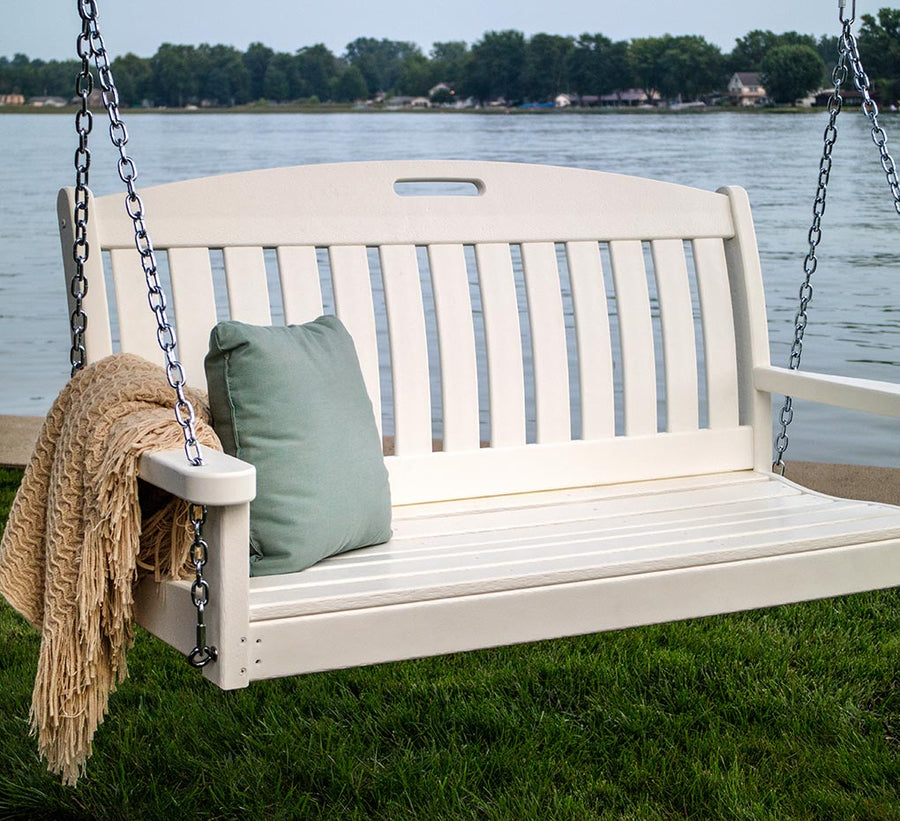
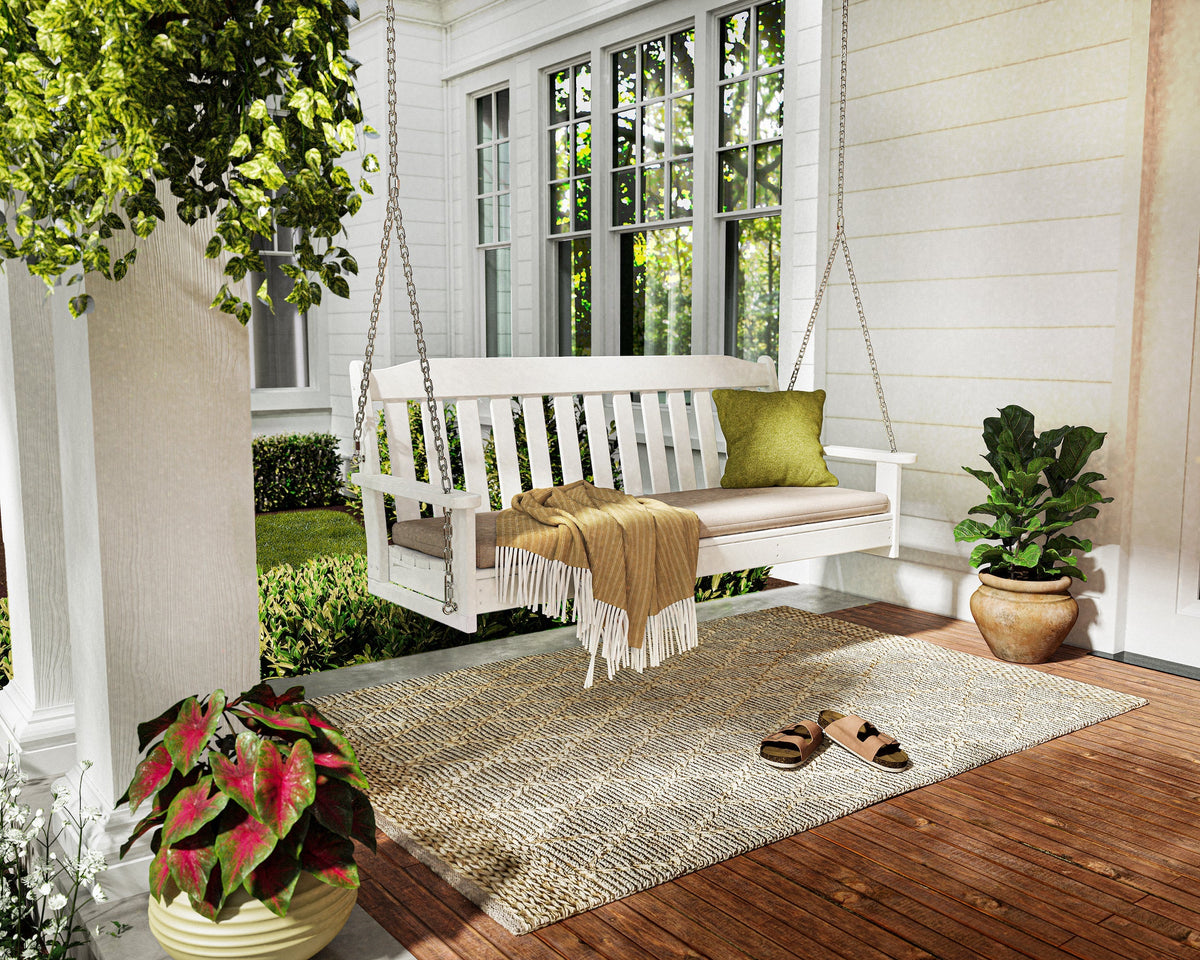
Thinking about adding a swing to your porch or backyard? What a dreamy idea! A swing adds charming nuances to your home’s aesthetic and gives your family a place to gather for quality R&R.
If you’d like to learn how to hang a porch swing, follow this guide. We’ll walk you through every step for a safe, secure, and stylish setup.
Hanging a porch swing takes a little more time and work than setting up other types of furniture, but the result is worth the effort. To make this a seamless project from start to finish, our in-depth guide includes valuable prep steps and tips, detailed installation instructions for traditional and porch bed swings, and style ideas to give your space the perfect final flourish.
Before purchasing a new front porch swing, be sure you can confidently answer "yes" to the following questions:
An outdoor hanging swing needs enough room to move freely without bumping into walls or other furniture. We recommend measuring your outdoor space with these dimensions in mind:
From your porch ceiling to a patio pergola, your chosen structure must be able to safely hold the weight of the swing and anyone who uses it. A load-bearing beam or ceiling joist will work perfectly. The joist needs adequate support on both ends and should be on the thicker side—2x6 or 2×8.
NOTE: We don't recommend using a tree as a backyard swing support structure for two reasons:
To find the perfect outdoor hanging swing, prioritize the aforementioned space and structure requirements. Otherwise, you might choose something too big or too heavy. You can skip this part if you already have the right swing for your space. If not, it's time to start shopping. Use our guide to help narrow your search and choose the best piece for your home.
You may need to purchase mounting hardware separately from your swing. Because all structural supports are different, we suggest talking to a carpenter or hardware professional to find out what you need, including steel chains, ropes, porch swing hangers, swivel-type hanger mounts, and connectors.
Watch our instructional video to learn how to mount an outdoor hanging swing, featuring our best-selling Vineyard 60" Porch Swing.
If you prefer written instructions, we've broken down the method into three phases.
All POLYWOOD porch swings come with zinc-coated galvanized steel chain kits that include:
NOTE: Not all POLYWOOD porch swings have prefabricated armrest holes, and eyebolt locations may vary. For the most accurate information, see the assembly instructions for your specific swing model.
Watch our instructional video to learn how to install a POLYWOOD porch bed swing in your home, featuring our Vineyard Daybed Swing.
We’ve also written out the instructions for this method into multiple phases.
NOTES:
All POLYWOOD daybed swings come with hardware packs that include:
(4) hanging brackets
(8) 2.5” hex lag bolts
(8) washers
(2) unmanila ropes
The brackets will each hold up a corner of your daybed, so install them to fully load-bearing 2x6 (or larger) ceiling joists in a rectangle that’s 78 ¼ inches long and 34 inches wide.
Position the daybed directly beneath the brackets, propping it up evenly on cinderblocks or similar supports.
Route the loose end of one rope through a front bracket until the pre-tied knot fits taut against it.
Feed the rope through the pre-drilled holes in the front of the daybed’s armrest and seat below the bracket.

Use your level to make sure your daybed sits evenly.
Pull one of the ropes taut and tie a simple overhand knot in the loose end as close to the bracket as possible. Repeat this process with the remaining rope on the opposite side.
Cut off excess rope with your knife, leaving 2–3 inches. Melt the ends with a lighter or torch to prevent fraying.
Remove the supports from beneath the daybed and add the seat cushions.
The hard work is over, and now comes the fun part: decorating your new swing and the space around it. We have some inspiration-sparking ideas to share on the subject.
Make the most of a cozy backyard by choosing a smaller swing that seats two, and surround it with decor that doesn't take up a lot of real estate, such as an outdoor rug or a vertical garden.
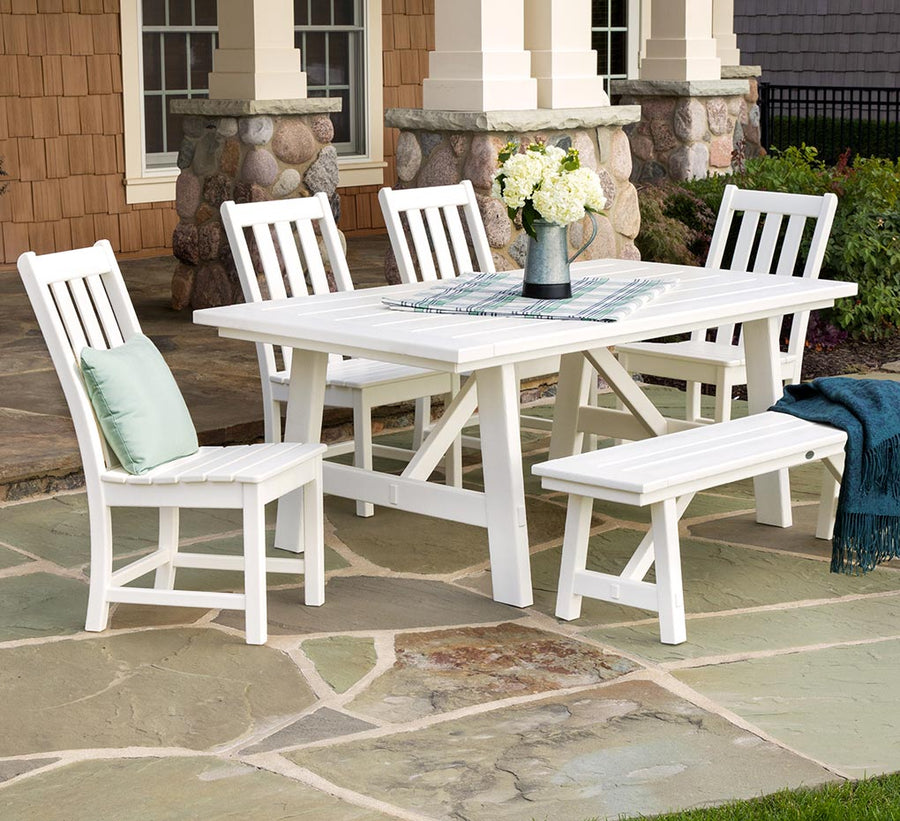
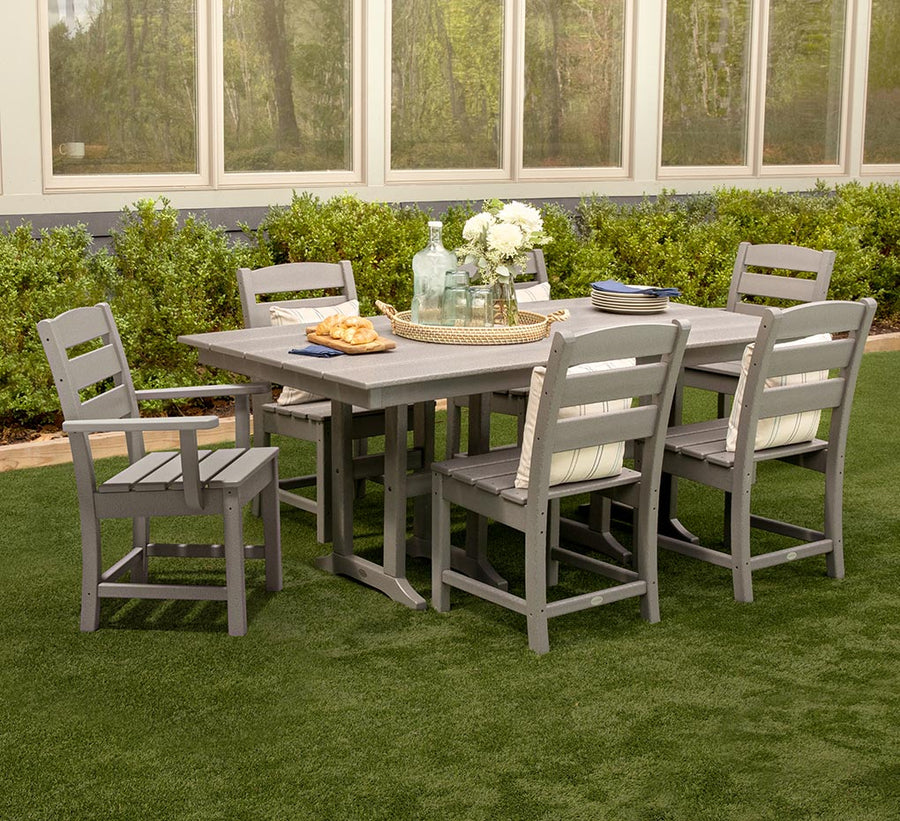
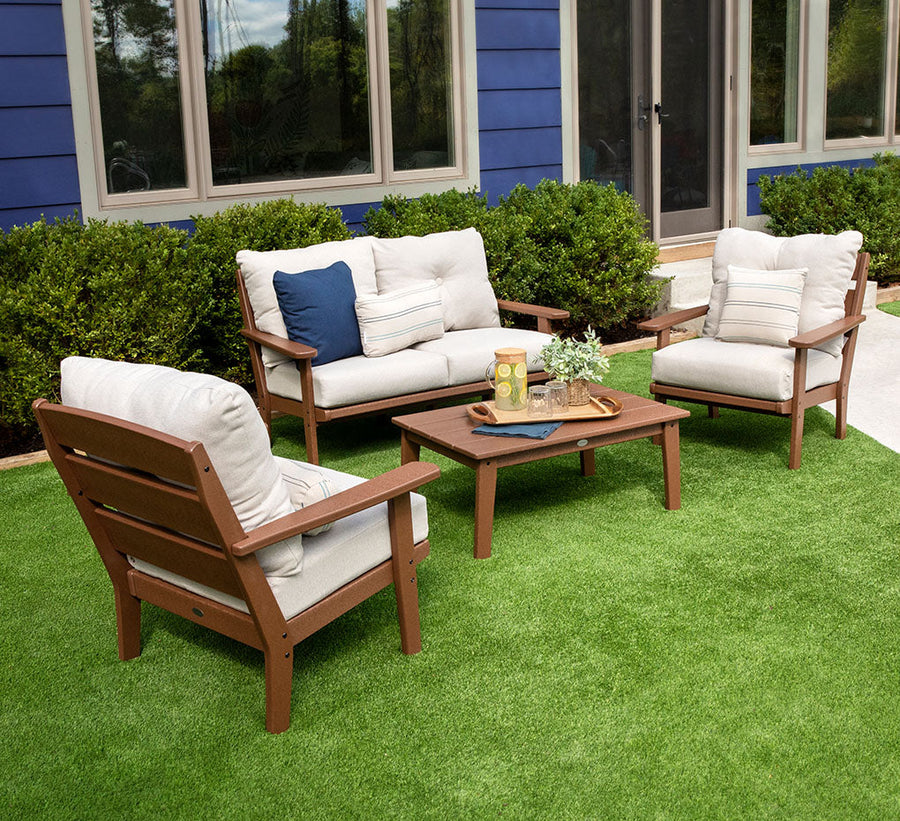
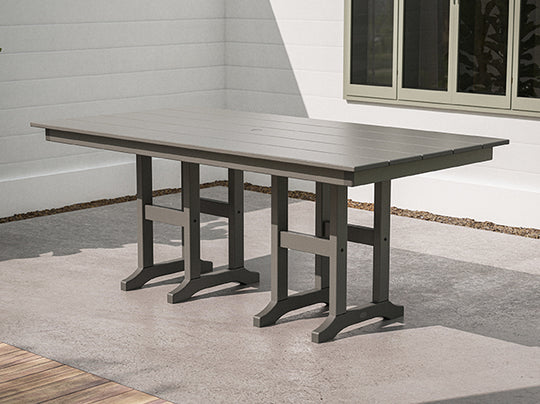
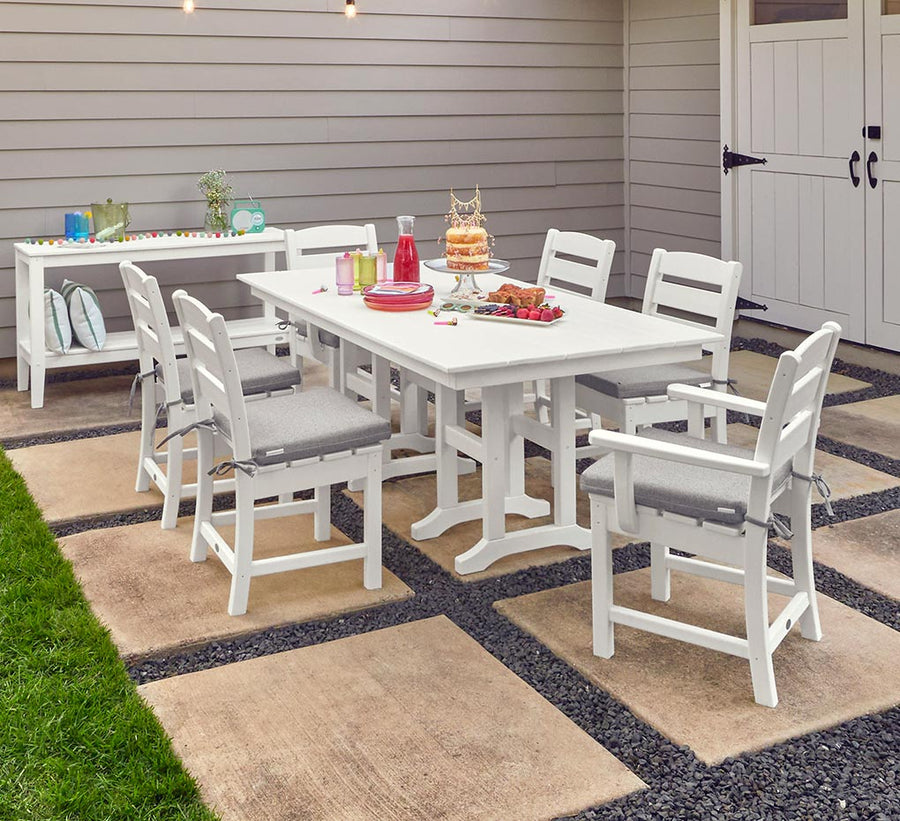
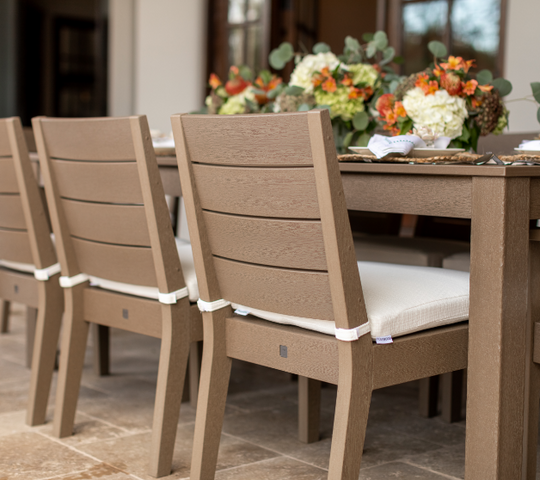
If you have room, add more furniture to create a space for gathering. Your covered porch will look extra welcoming when adorned with your outdoor swing and a coordinating five-piece dining set nearby. If you don't have overhead support, you can also consider a porch swing set with a stand for flexible placement.
Outdoor cushions, throw pillows, and blankets add color, comfort, and coziness to any outdoor seating.
If you own a home in coastal or desert locales, we recommend choosing decor that fits the natural environment. For example, a tranquil blue, green, and beige palette paired with bleached and natural oak finishes works well in oceanside abodes. Southwestern-inspired patterns and upholstery in earth tones complement the warm landscapes surrounding desert dwellings.
Update the look of your space when the seasons change—from floral-forward accents for spring and summer to pumpkins and plaid blankets in the fall.
Now that you know how to hang a porch swing and have plenty of style inspiration, start shopping!
Explore our full collection of traditional, deep seating, and daybed swings to find the right size, material, and setup for your space.
Yes, you can hang your own porch swing. This will cut costs since you’re not hiring help. That being said, this is more of an advanced project, and you'll need the proper knowledge and resources to ensure a job well done the first time around. Also, swings are quite heavy, so for efficiency and safety, have a friend or family member help you with installation.
The average porch swing's weight capacity is 550 pounds. This number will fluctuate depending on the swing's size, material, and hanging hardware. If you want a stronger setup, look for frames constructed with durable materials like high-density polyethylene (HDPE) or teak wood and hanging hardware made from galvanized steel or marine-grade quality unmanila.
A traditional porch swing should hang about 17 inches off the ground. This allows most guests' feet to reach the floor. If you have tall family members, 18–24 inches is the standard range for hanging heights.
The cost of hiring professionals to hang your porch swing will range between $200 and $2,000. The price will change based on a few factors:
Materials and tools needed
Project completion time
Support structure construction or reinforcement
Assembly and installation needs
Both ropes and chains are good for supporting porch swings, and each has its own pros and cons.
Rope has a soft aesthetic and tactile appeal. Due to its elasticity, it offers a smoother swinging motion. Synthetic ropes made from unmanila and similar materials are highly durable and weather-resistant. However, ropes made from natural fibers tend to need regular care and are more prone to damage.
Chains are durable, resistant to weather, and level easily, but they may be noisy and cause discomfort if not properly coated.
Are you missing items in your cart? Sign In


