





 POLYWOOD
My Wishlist
Easily build your wishlists, or save them for later to add to the cart. Click here for details.
POLYWOODEasily build your wishlists, or save them for later to add to the cart. Click here for details.
Main Menu - Mobile

Whether you’re planning a big outdoor renovation or simply want to style a new sofa into your patio aesthetic, it’s a good idea to have an organized plan in place to ensure a smooth and stress-free experience.
Setting a budget, researching materials, and creating a rough timeline are all important items to check off your to-do list, but there’s one step that’s essential to your plan’s success: measuring your backyard. Accounting for space matters because it helps you avoid overspending and choose appropriately sized structures and furnishings. We can show you how to measure a backyard in a variety of ways, so keep reading to see detailed steps for finding accurate dimensions for your outdoor spaces.
Find the dimensions for all sections of your property with this hands-on method.
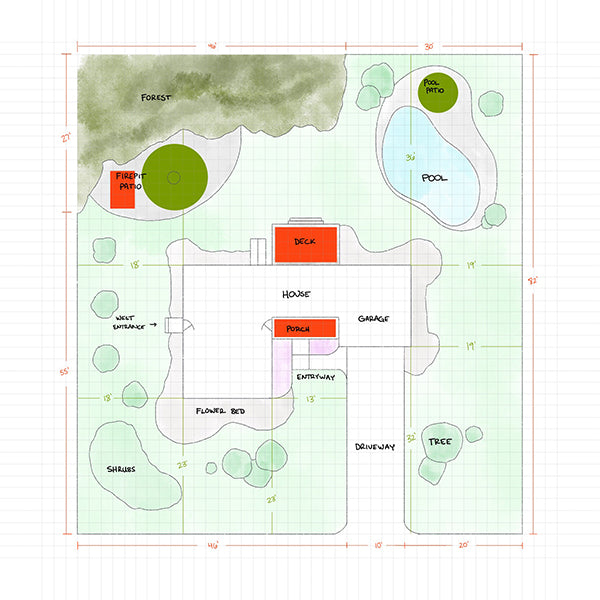
Draw a rough sketch of your property with your pencil and plain paper. Include these items on the sketch, and leave enough space between them to record your measurements:
Your house
Fences, sidewalks, and streets
Walking paths and driveways
Patios, decks, and other constructed spaces
Trees, shrubbery, and other landscaping
Utility poles and septic systems
Sheds, in-ground swimming pools, and other permanent structures
Measure the property's boundaries, including fences, walls, or natural barriers. Round all dimensions to the nearest inch.
Measure all sides of your home.
If your home sits parallel to the property's boundaries, measure the distance from each corner to the nearest edge. If it’s at an angle, start at the center of each side of the house and measure to the closest boundary.
To correctly place elements on your property, measure the distance between them and the two closest boundaries that form a 90-degree angle.
For example: If there's a tree in the northeast corner of your yard, measure the distances between it and the north and east boundaries.
Include the square footage of all elements on your property that are larger than a tree (e.g., driveways, swimming pools, garages, etc.).
Use a compass to determine which direction is north and mark this on your sketch.
Place a clean sheet of graph paper next to your sketch, and orient it so north faces upward.
Before drawing anything, determine the appropriate scale.
For example: 1/4 inch = 1 foot.
This means an eight-foot wall will be two inches long on the paper.
Draw the property boundaries on your graph paper, keeping the measurements to scale.
Place each yard element onto your graph paper using its two distance measurements from the property boundaries (see Step 5), and draw it to scale using its length and width. A carpenter's square can help make accurate 90-degree angles.
Compare your landscape plan to your yard and make any necessary corrections.
If a balcony or upper deck overlaps a first-level space, draw two separate landscape plans to create clear views of all your outdoor areas.
Note the promising spots on your property that could be future relaxation, dining, or entertaining areas.
To find the total area and distance of your property using Google Maps, first open the app on your smartphone or desktop and search for your address. Then, switch to satellite view, right-click on one of the corners of your property (or long-press to drop a pin), and choose Measure distance. Last, select the remaining corners to connect the points, and Google Maps will calculate the total area and perimeter for you.
Here are more detailed steps for measuring with your phone or computer.
You can use various apps to measure your backyard. Browse these digital options to find one that fits your needs.
Like Google Maps, this free app uses satellite imagery to calculate distances, perimeters, and areas of your property (and the elements within it) using a series of pins. It also lets you mark property lines, take pictures, and note important areas.
Quickly calculate the square footage of your lawn or distances with this free, user-friendly app. This tool is similar to Photoshop in that the measurements are shown in color-coded layers that you can edit.
This app is loved by land surveyors, gardeners, and homeowners alike. Find a variety of measurements for items on your property, from square footage to GPS coordinates. You will need to pay a nominal fee to use the app.
Measure your yard and everything in it with Global Syn-Turf’s lot size checker—it’s free, intuitive, and easy to use. Bonus: You don't need to create an account to enjoy its benefits.
Use these tips to make measuring your outdoor space easier.
Once you know exactly how much room you have to play with, you can assess how much furniture will fit in a specific area and choose its primary purpose. Here are some of the possible uses for your outdoor spaces.
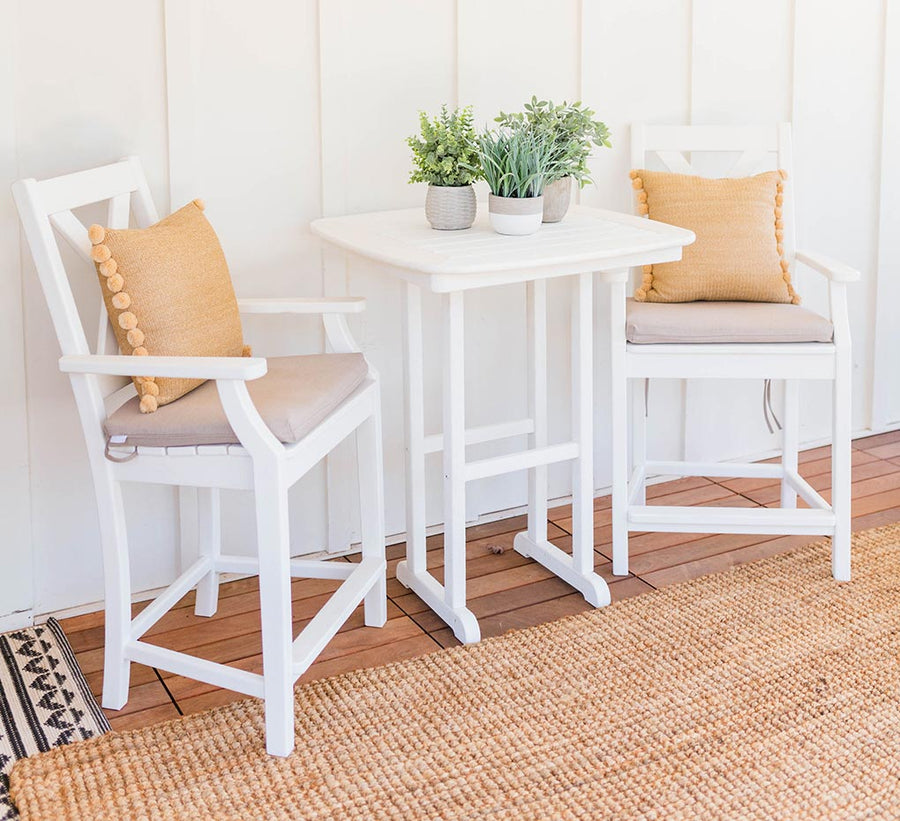
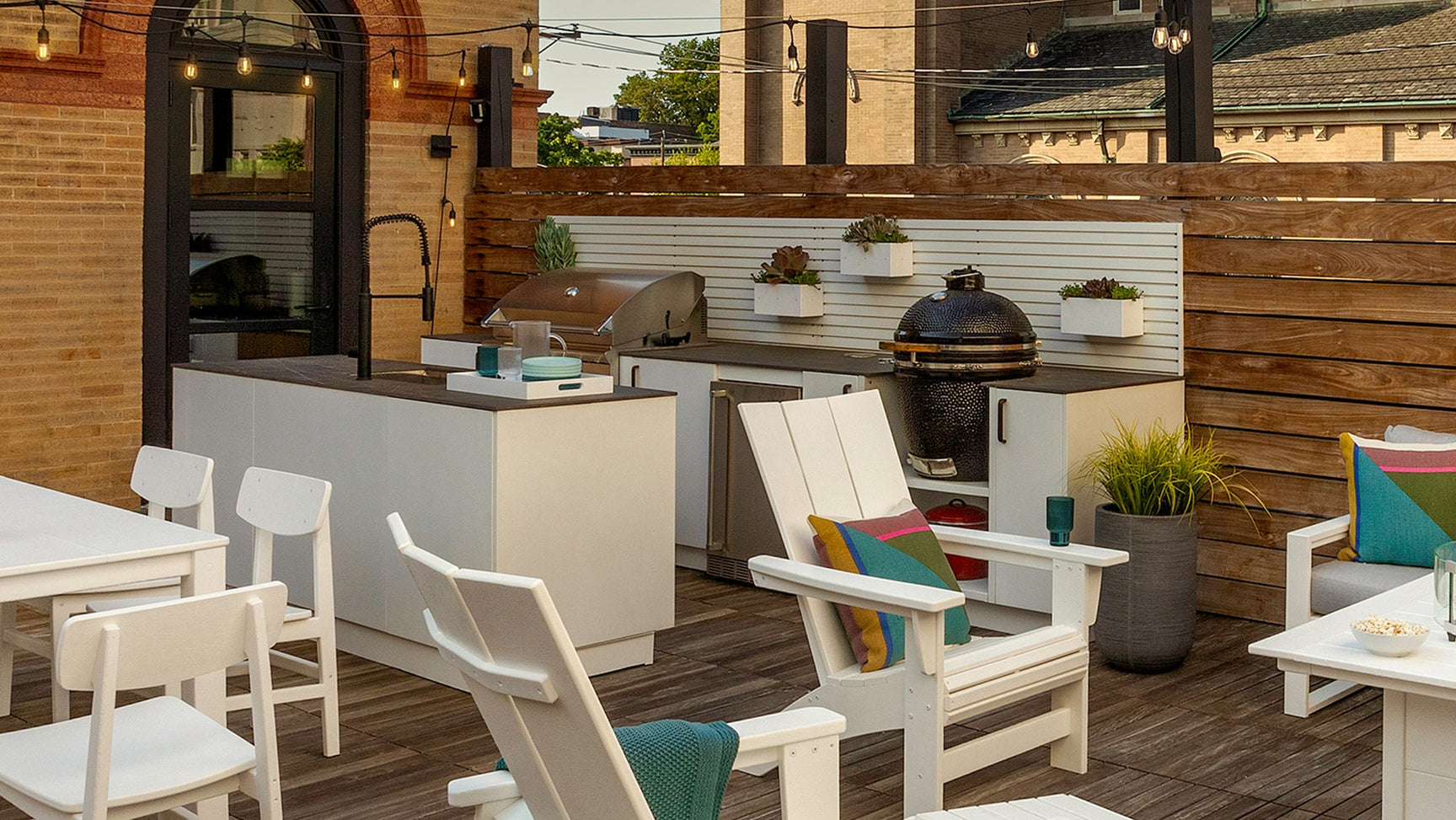
Install cabinets, shelves, countertops, and built-in cooking appliances to have a functional barbecue station handy for the next family gathering. Depending on the size of your kitchen, you can line your ledge with counter stools or include a bar set nearby where family can sip cocktails or enjoy your latest culinary creations.
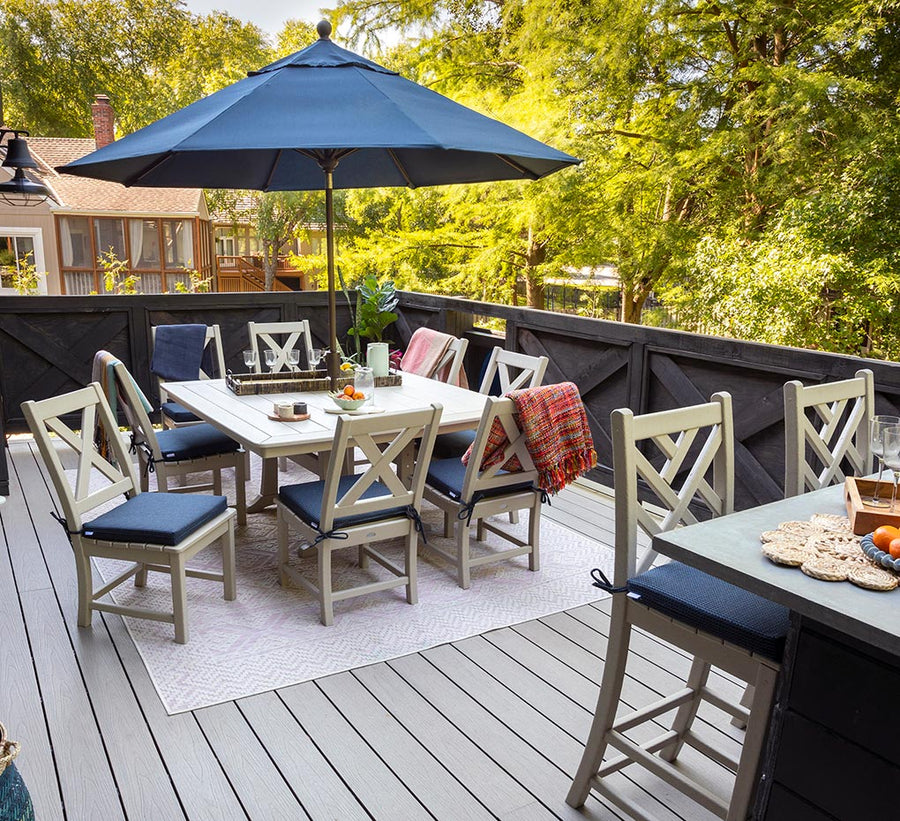
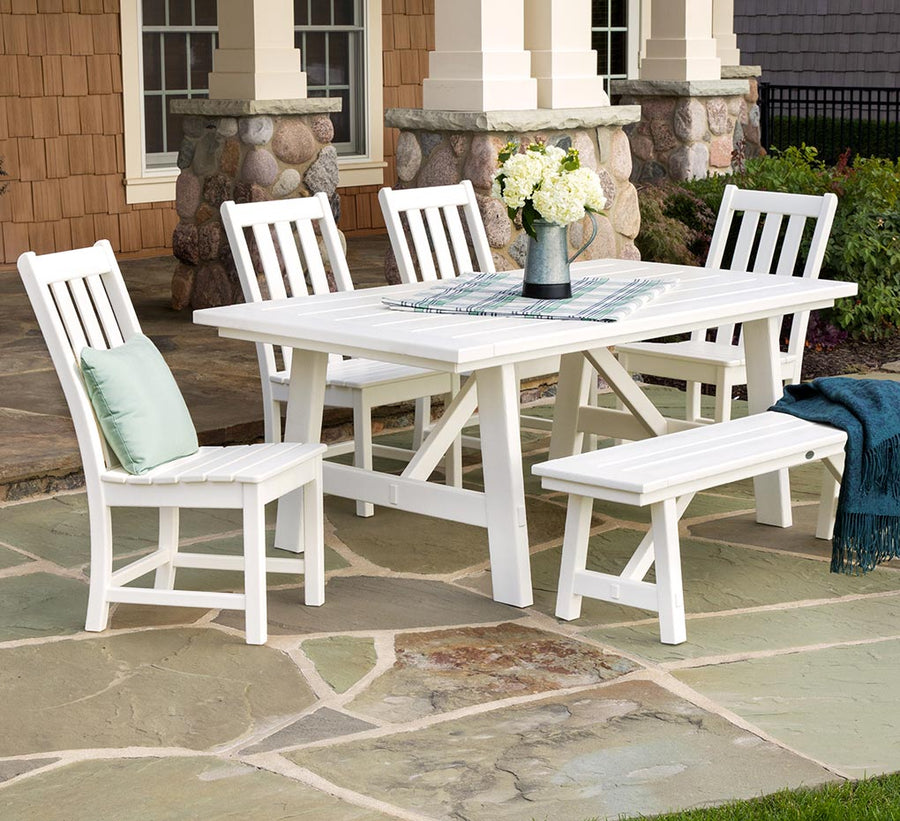
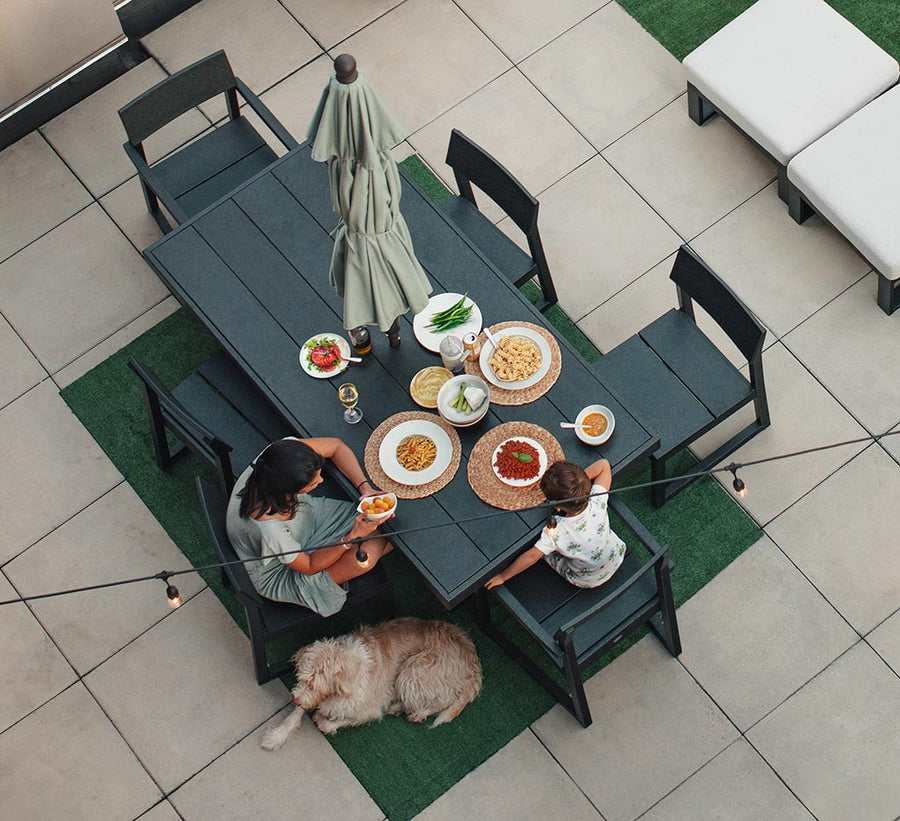
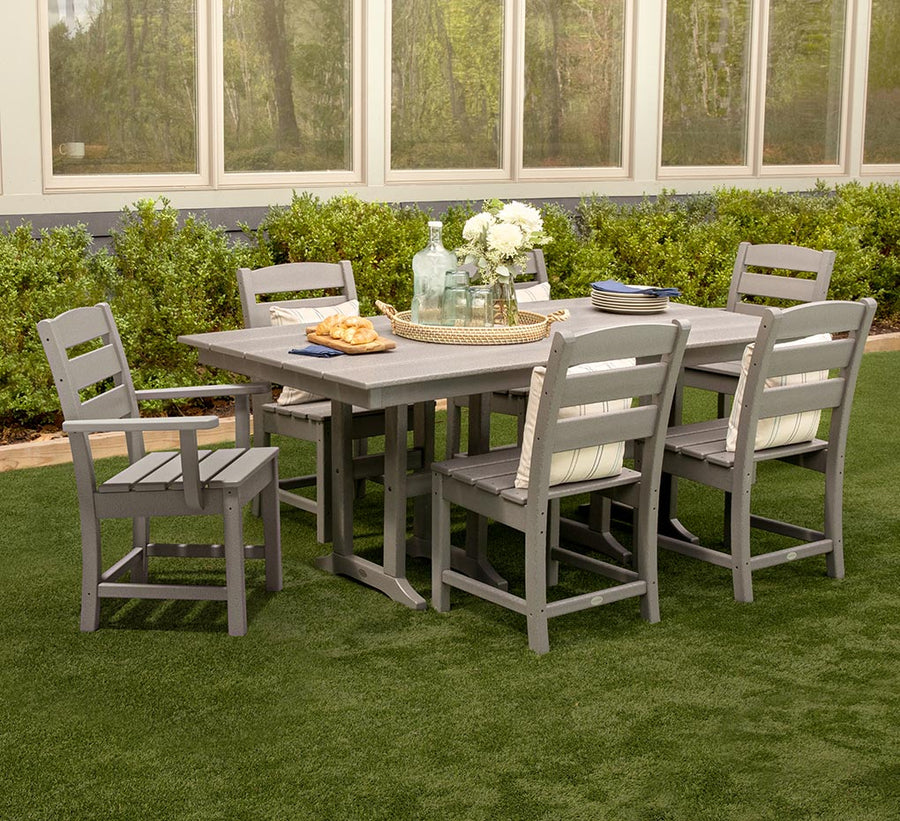
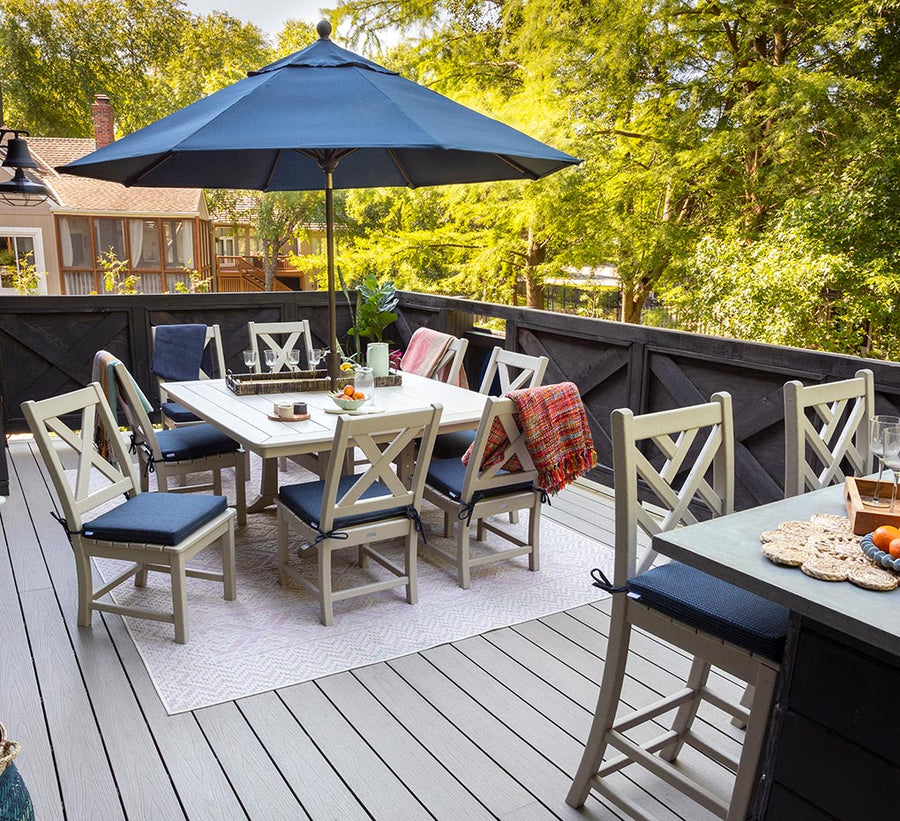
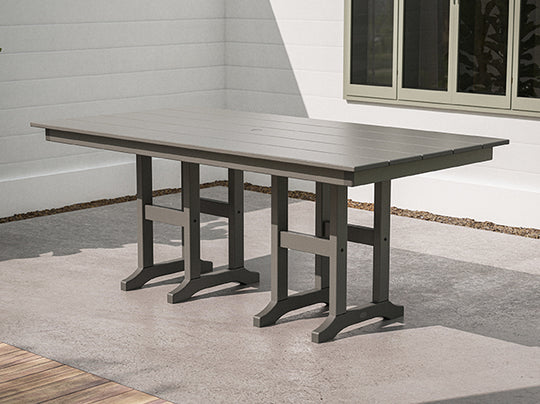
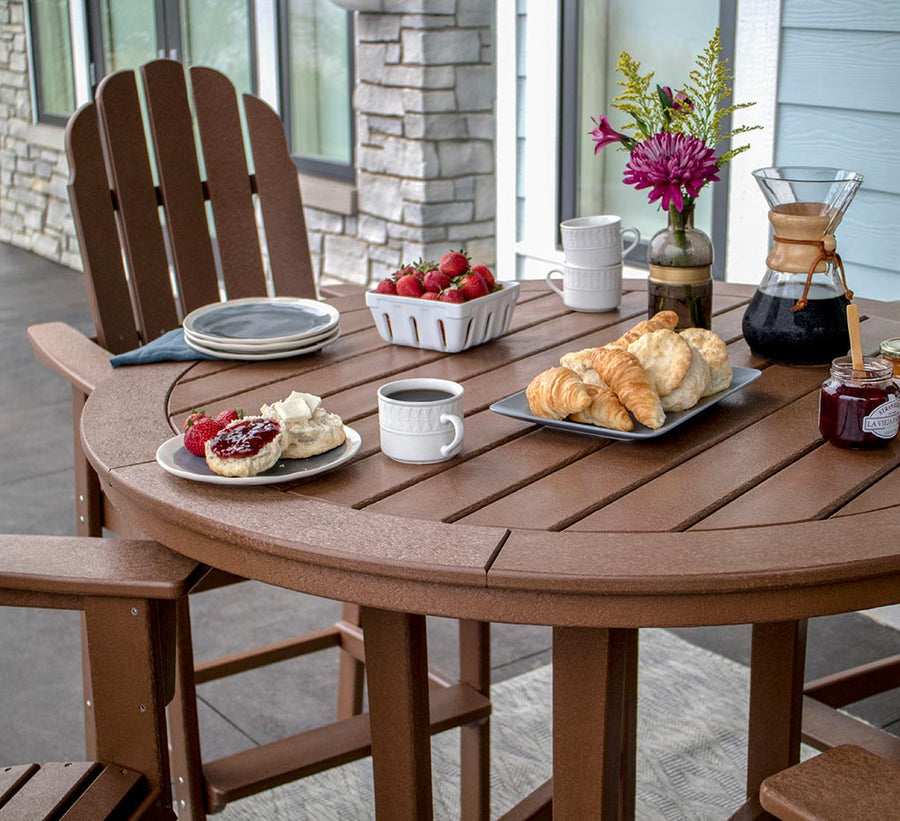
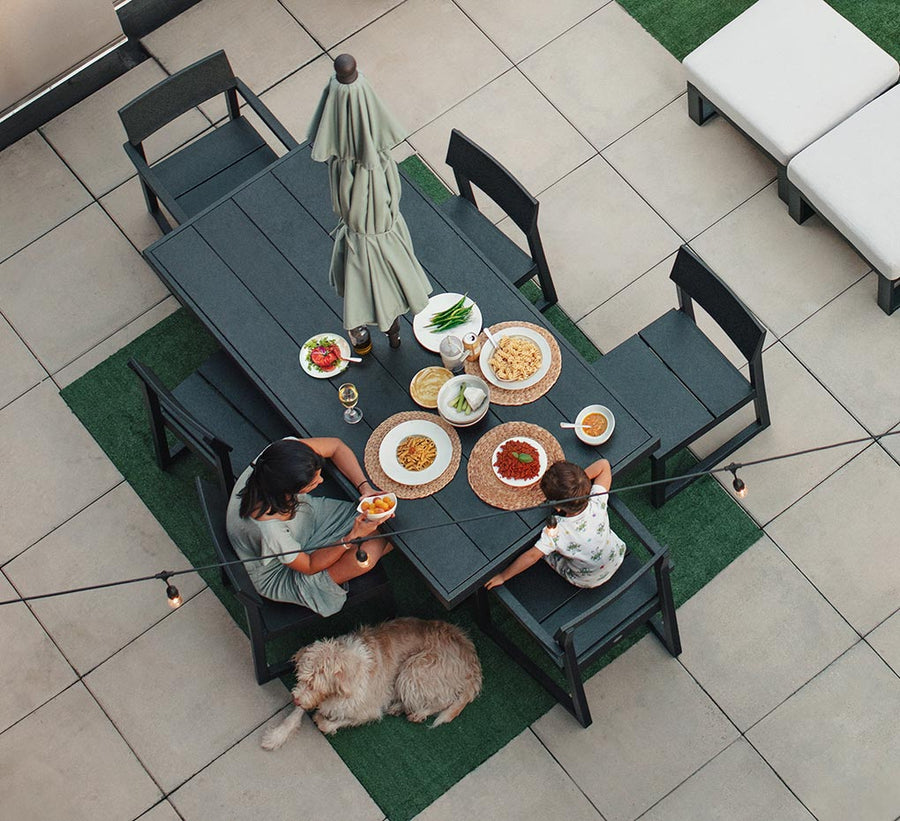
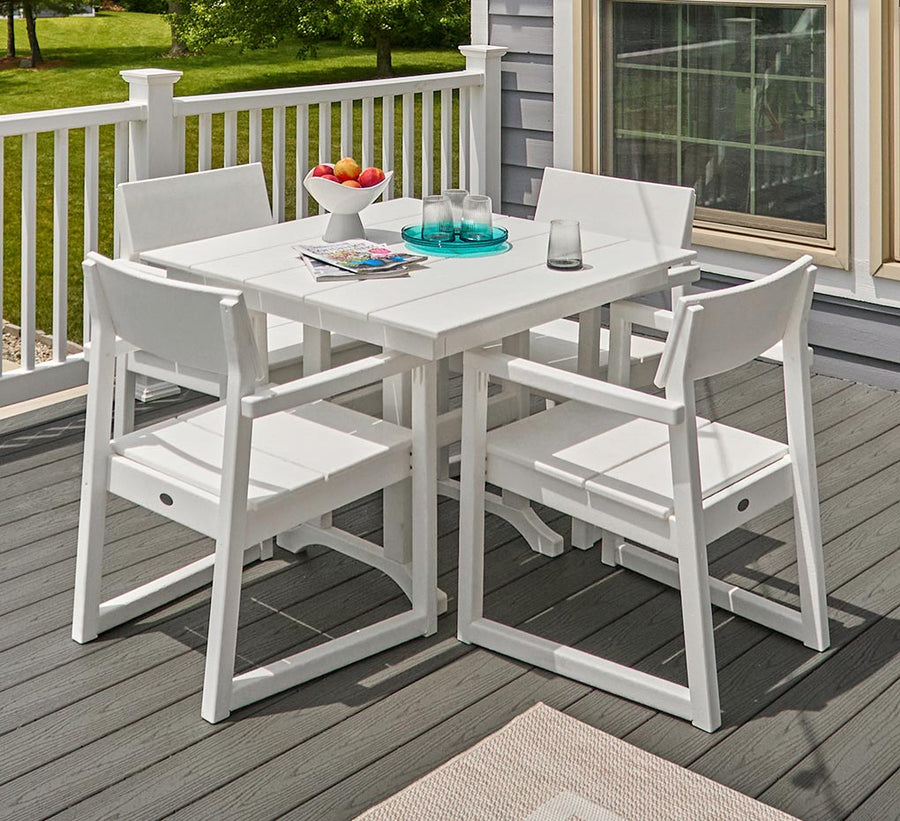
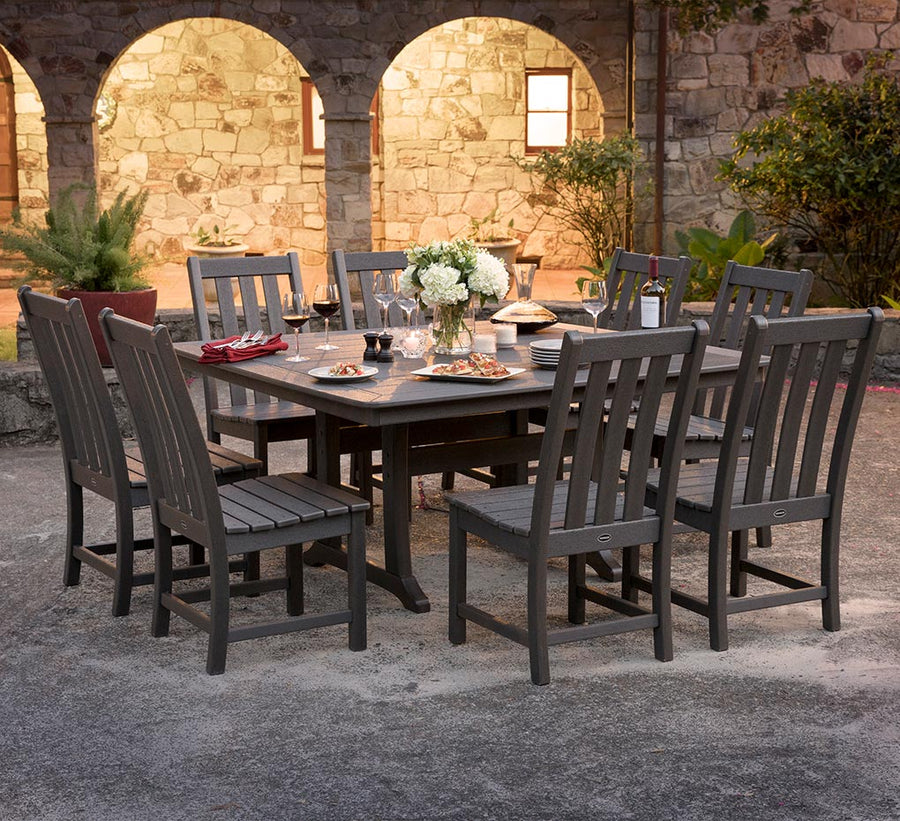
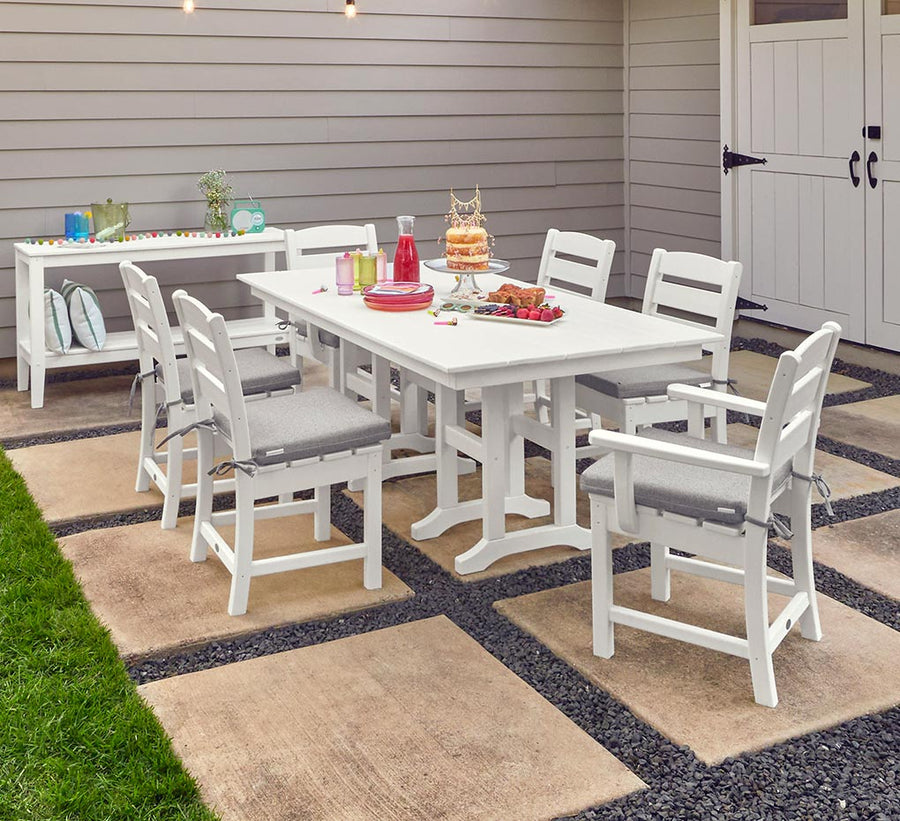
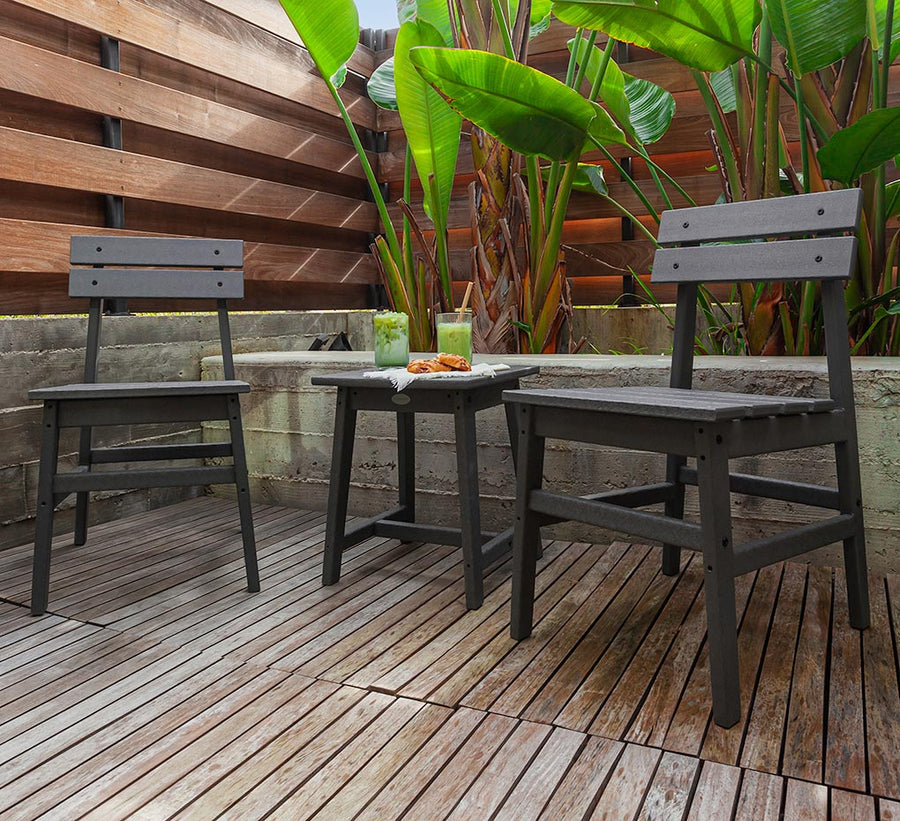
Nothing beats a home-cooked meal surrounded by nature's serene sights, sounds, and scents. Set up a table for four in a tranquil outdoor setting, or entertain guests year-round with a sizable six-person dining set.
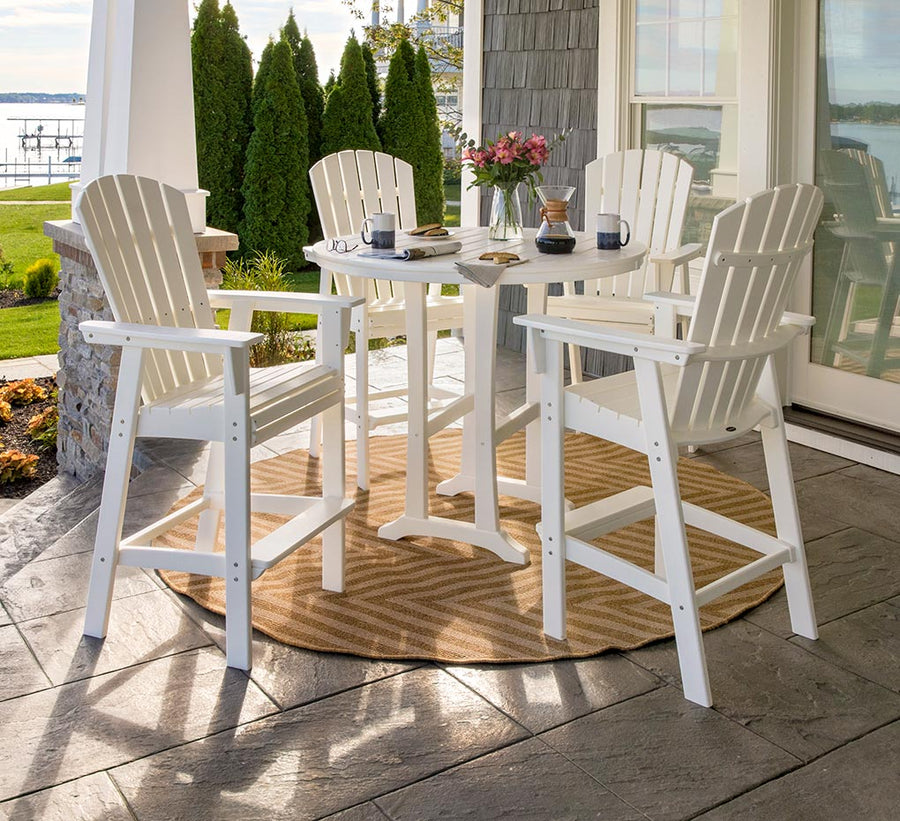
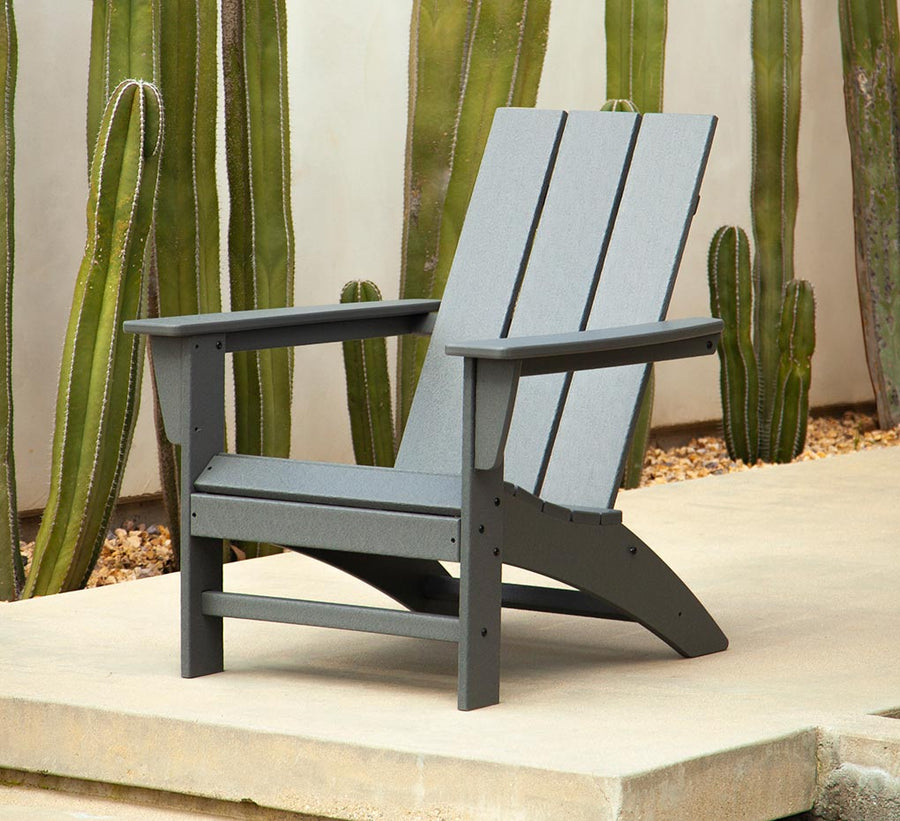
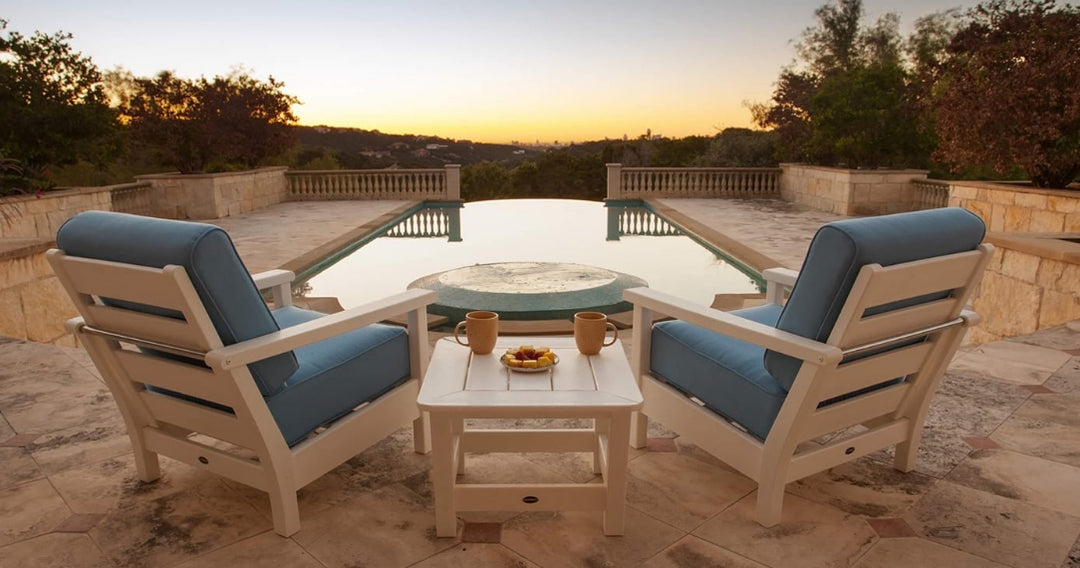
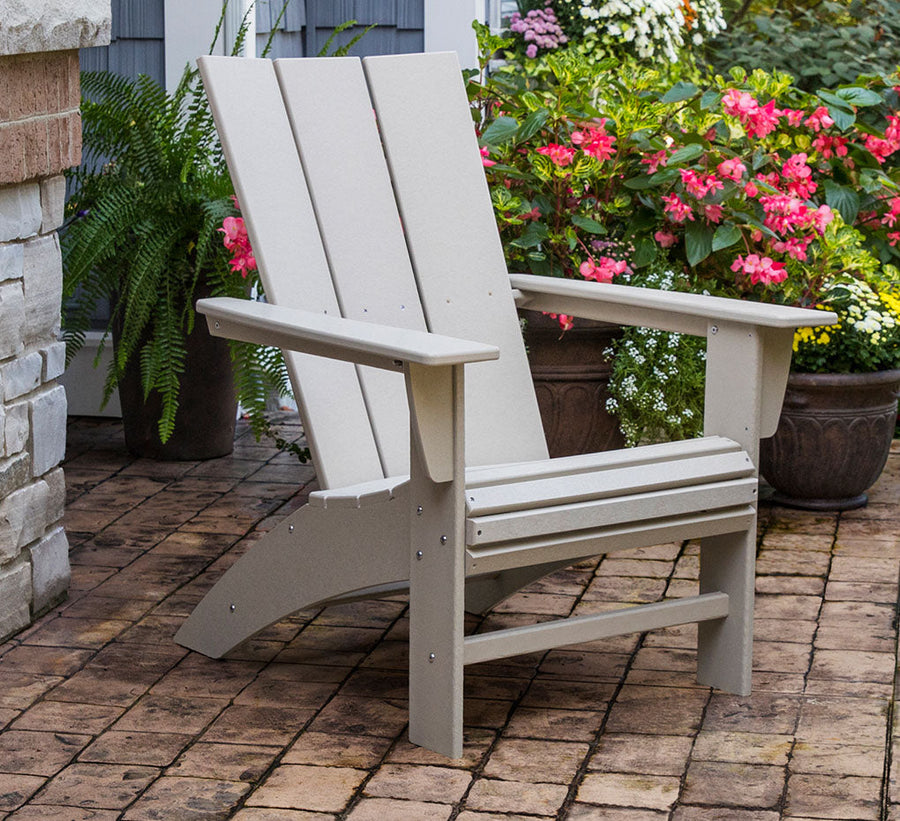
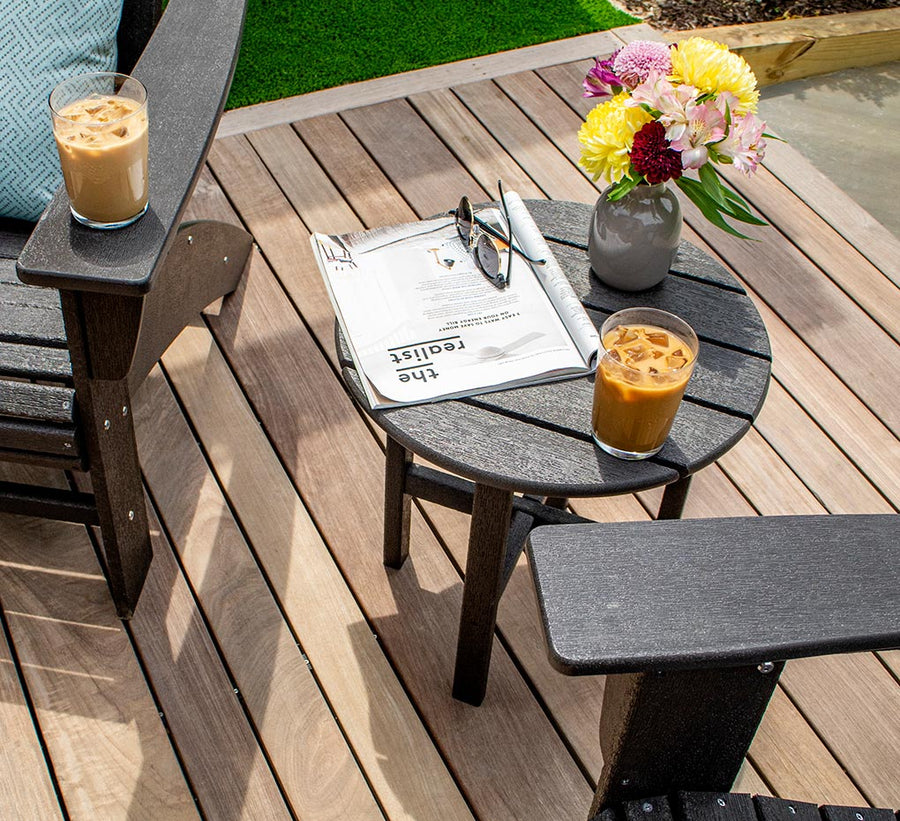
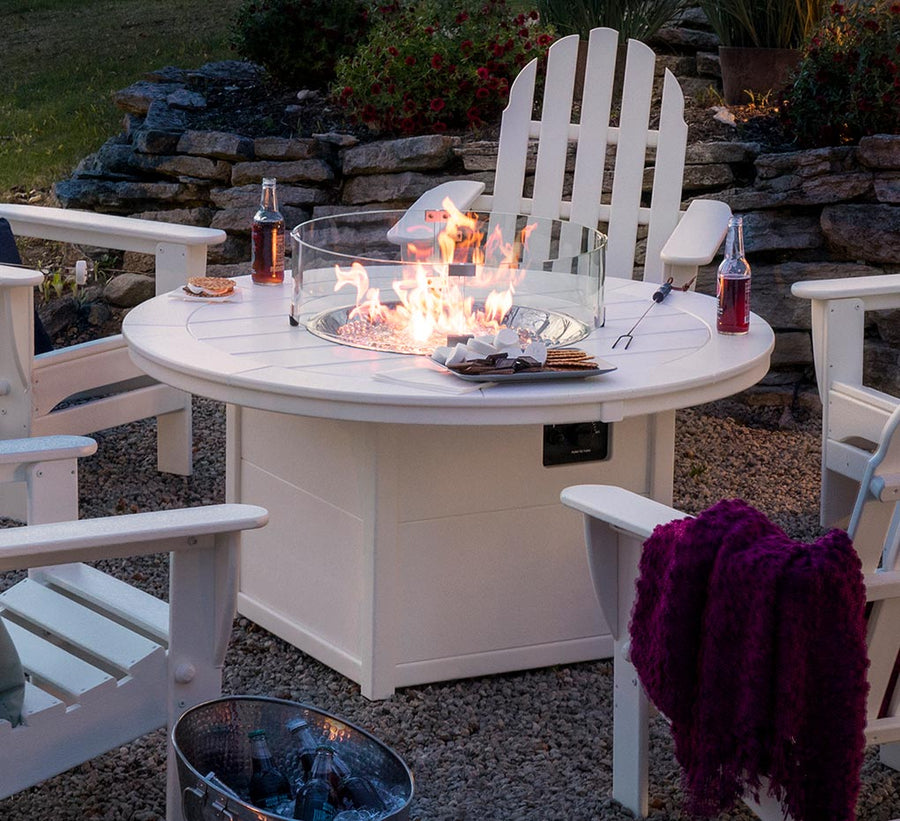
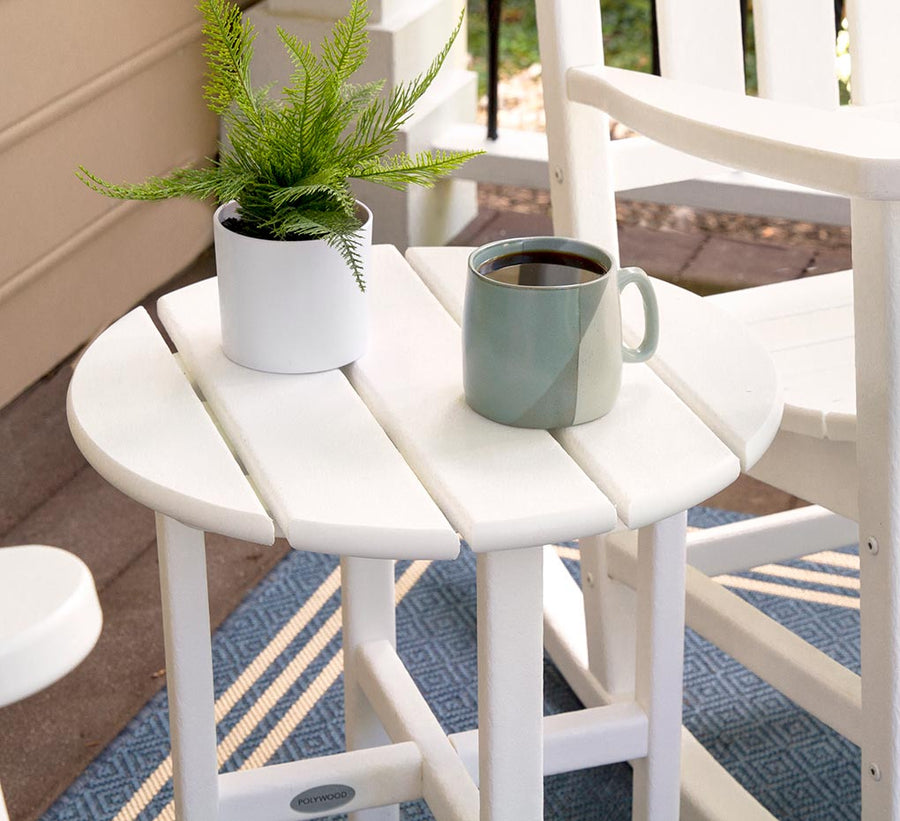
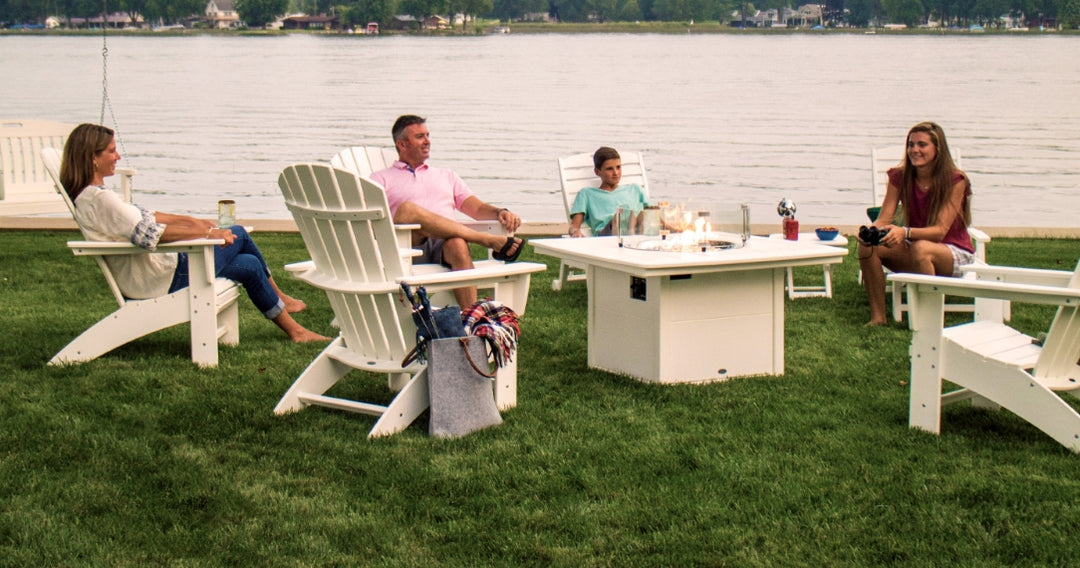
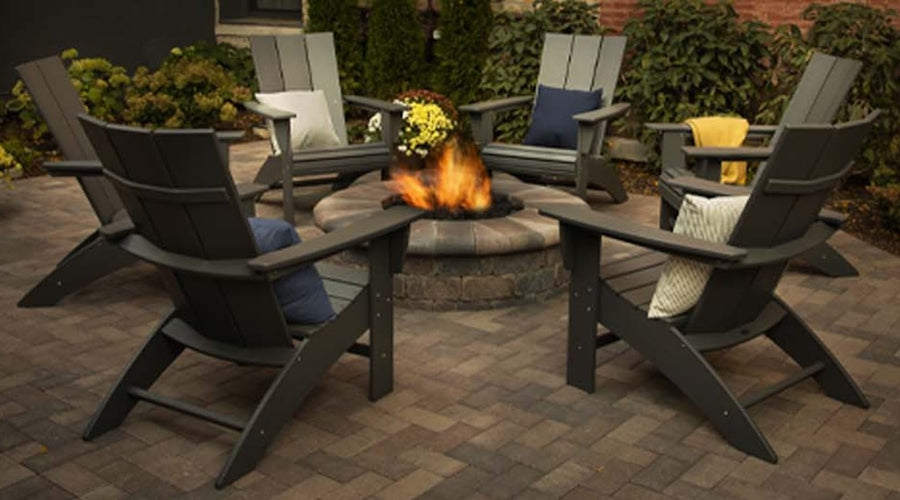
Create a relaxing space where friends can gather, swap stories, and reminisce about the good ol' days. Casual seating like Adirondack chairs coupled with a few side tables for snacks and beverages is all it takes to section off a designated conversation area in your backyard.
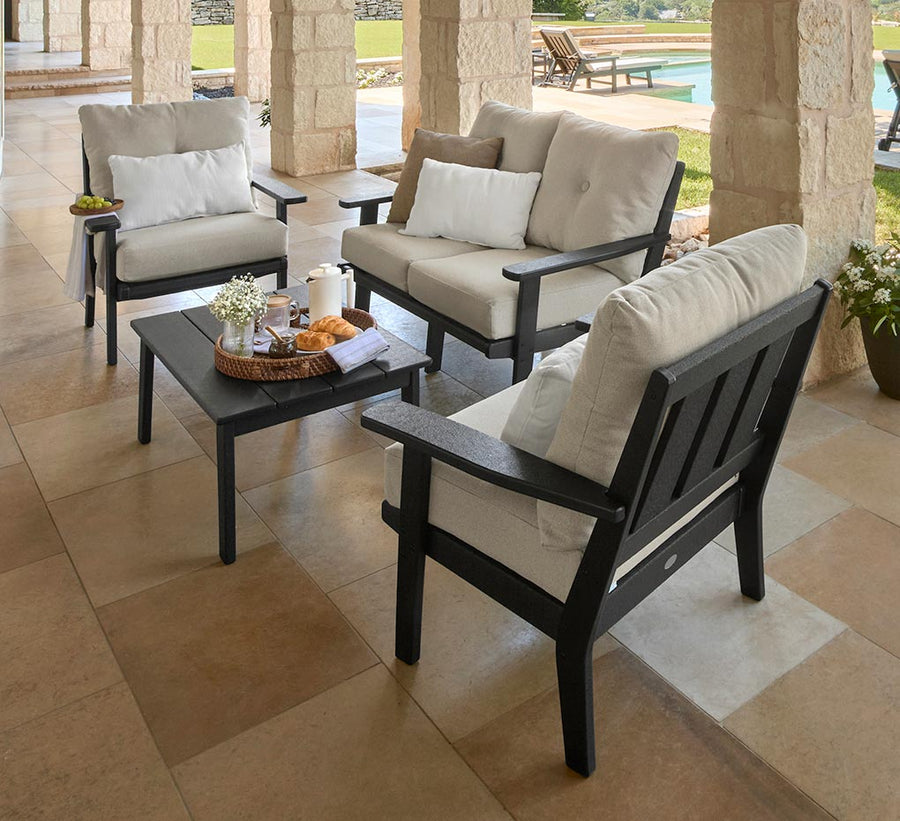
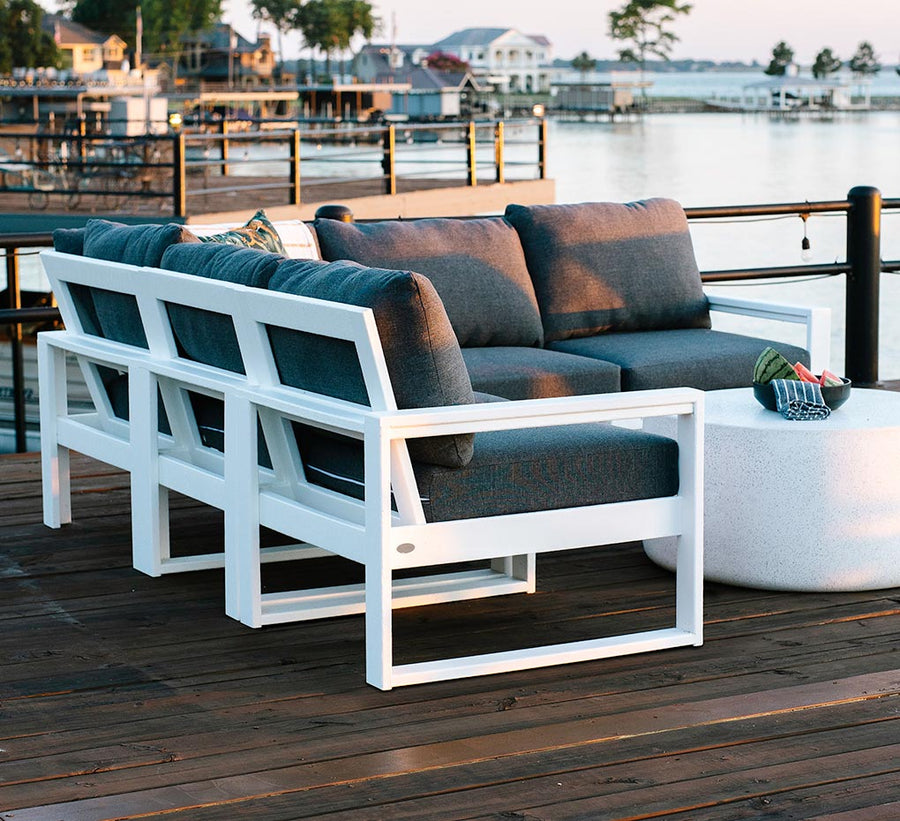
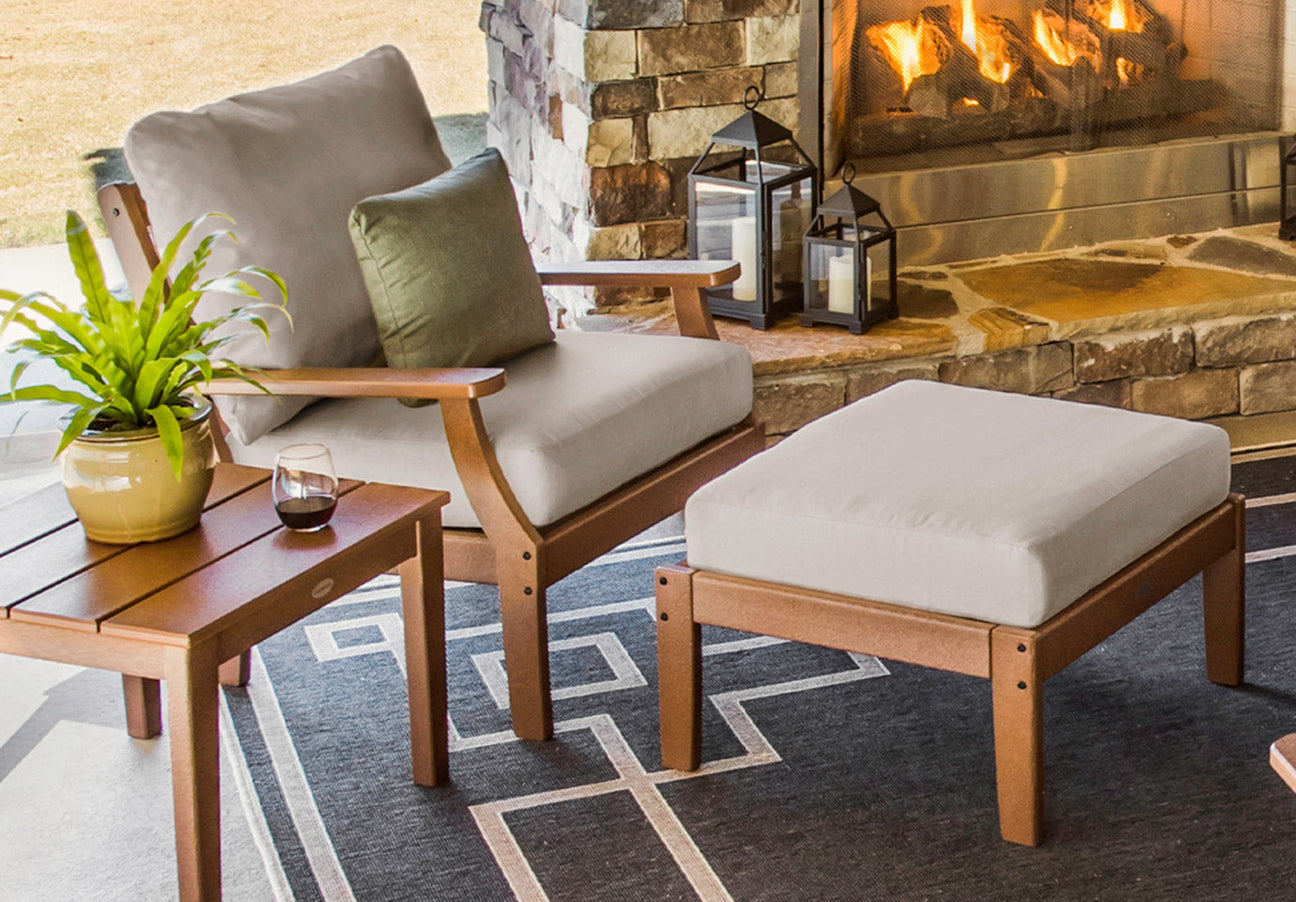
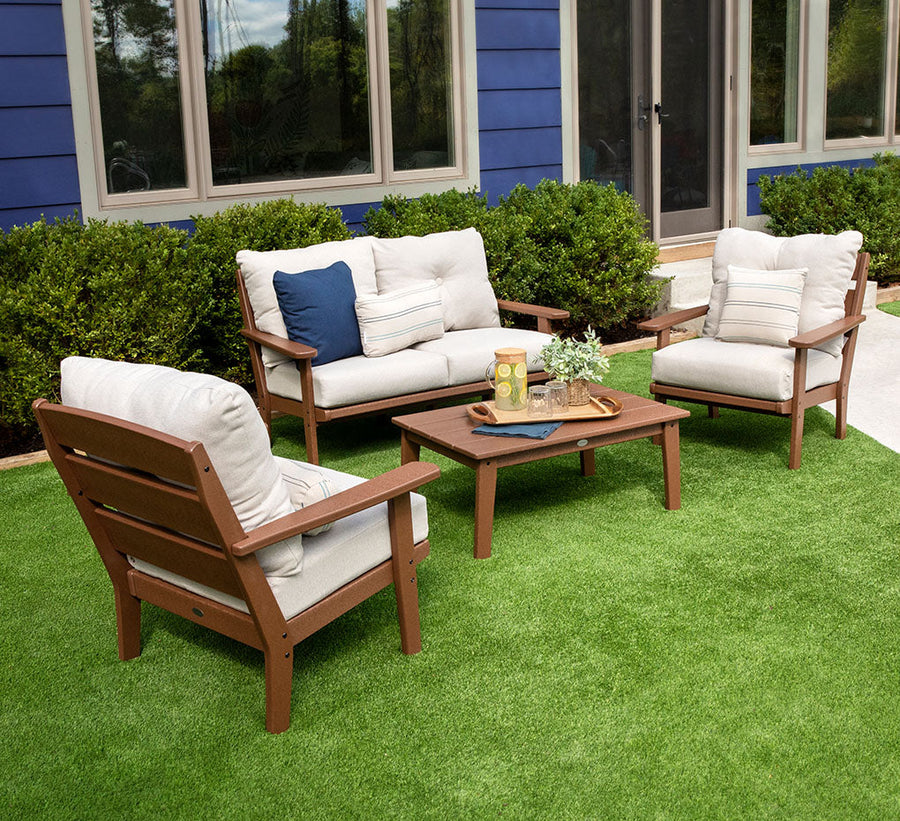
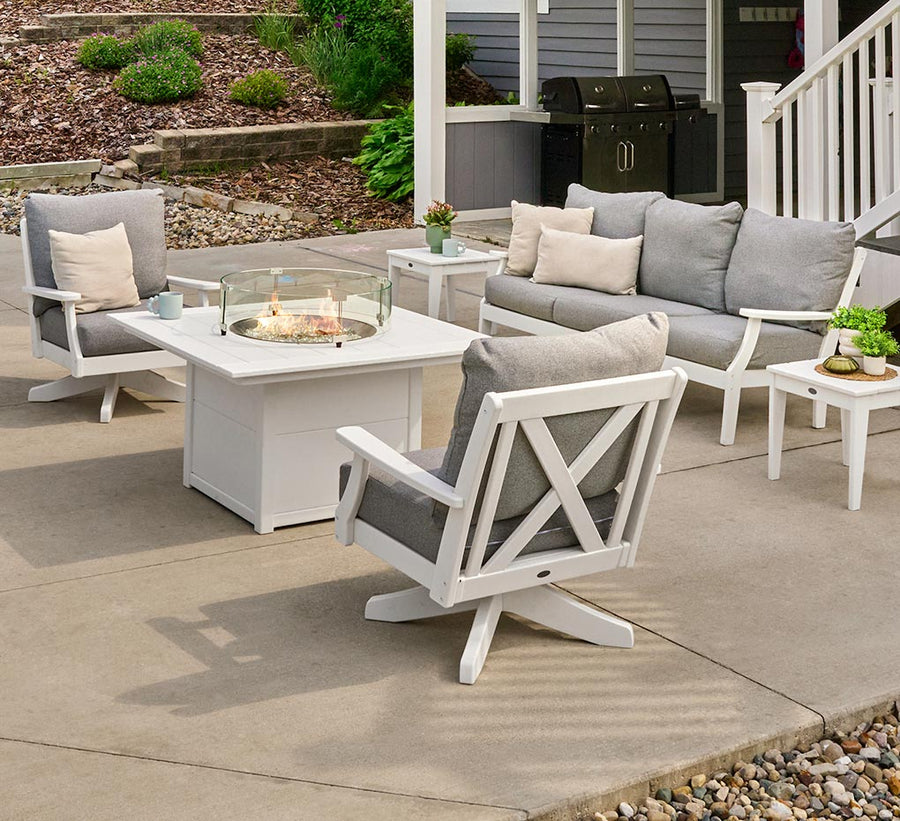
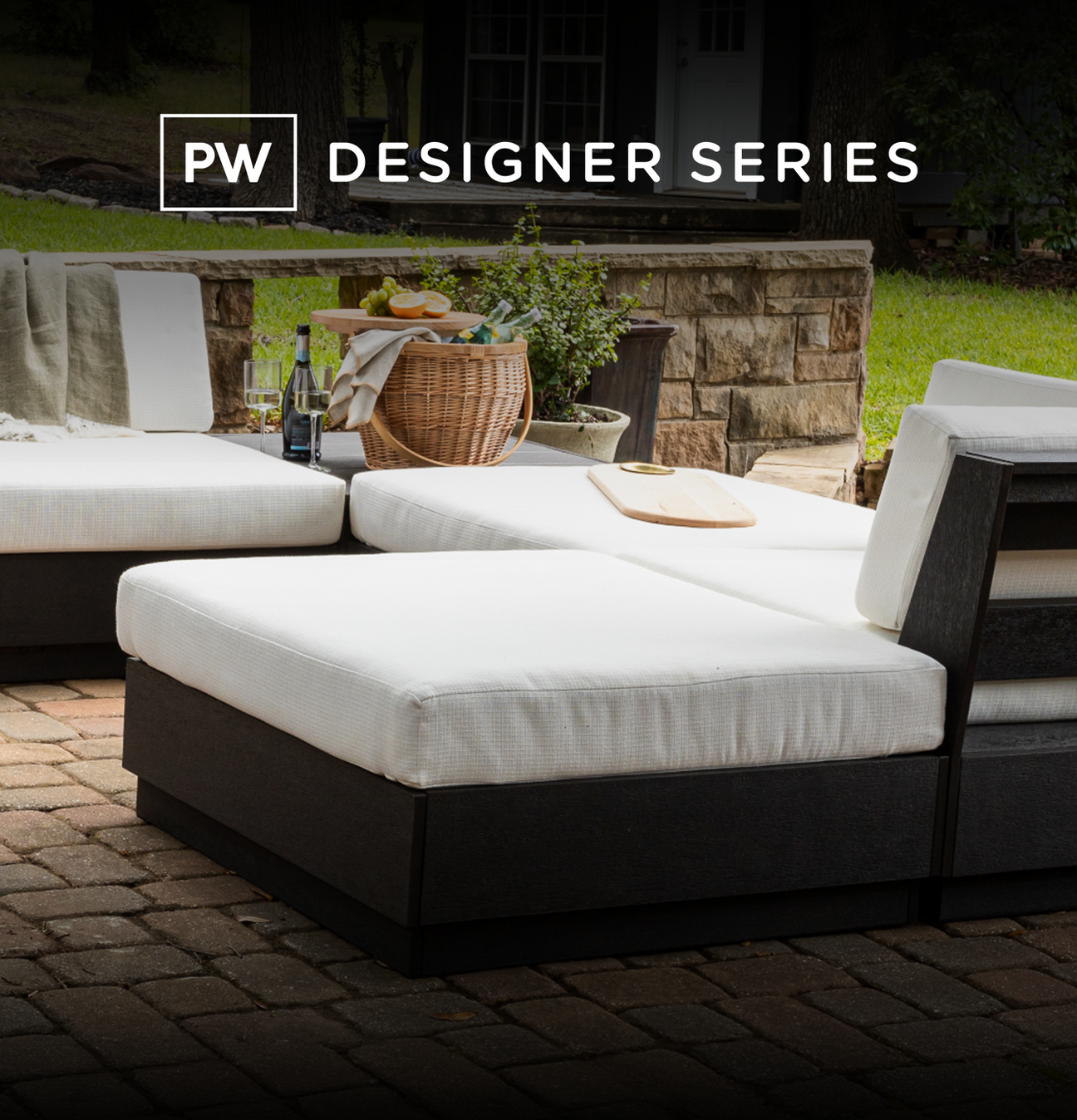
Combine deep seating sofas, chaises, and chairs and pop in a few functional end tables to fashion a multipurpose lounge space. Get lost in a new podcast, watch your grandkids play, or curl up for a cat nap—the options are endless.
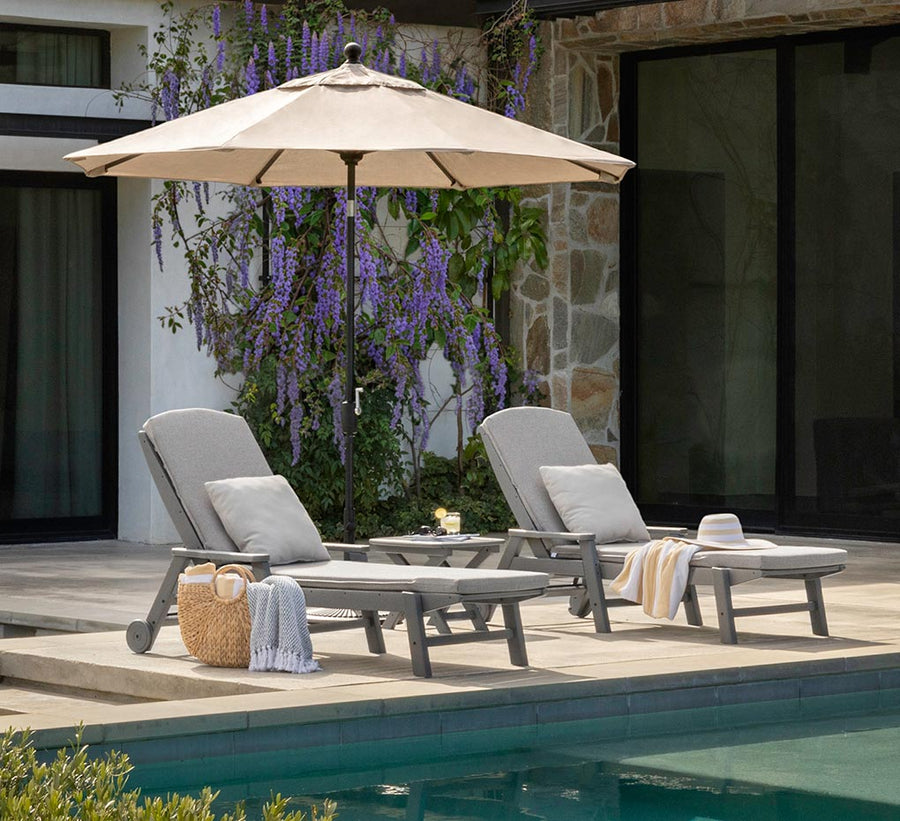
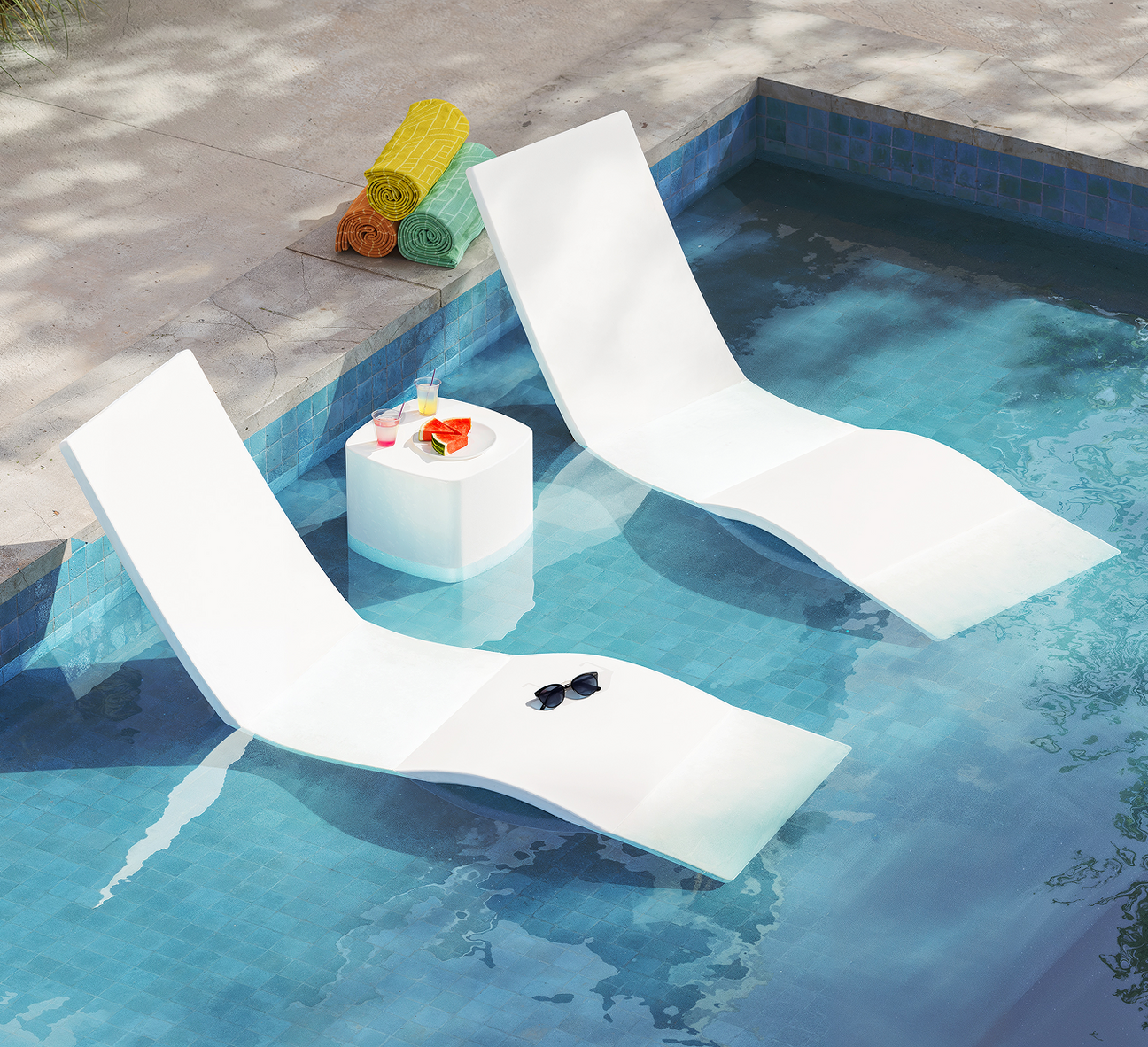
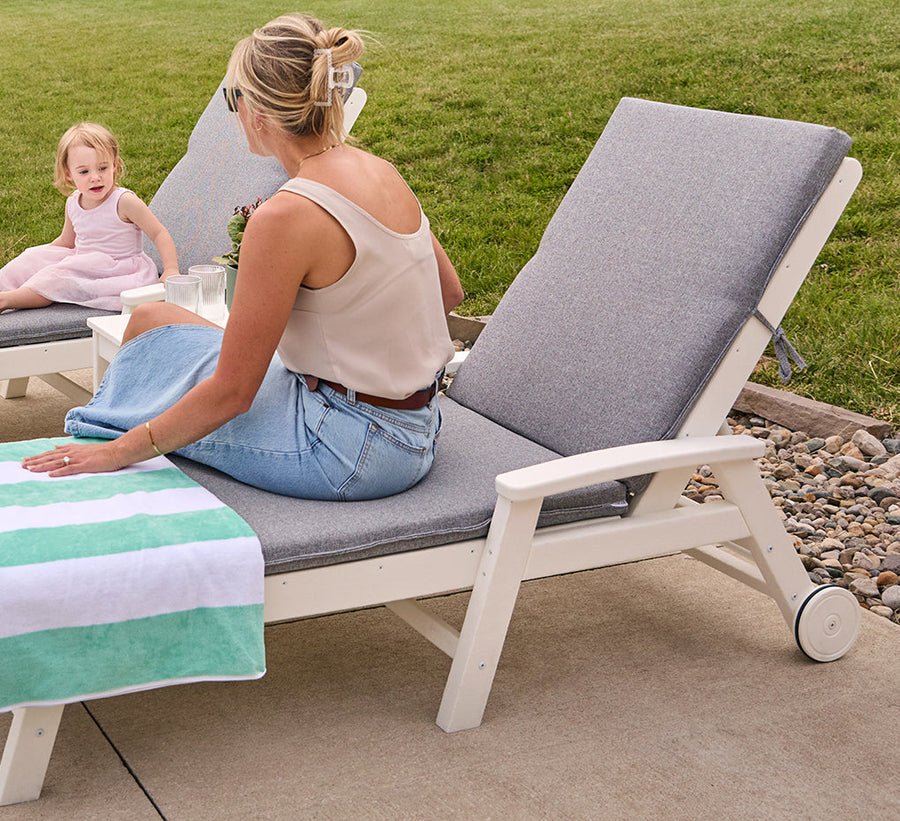
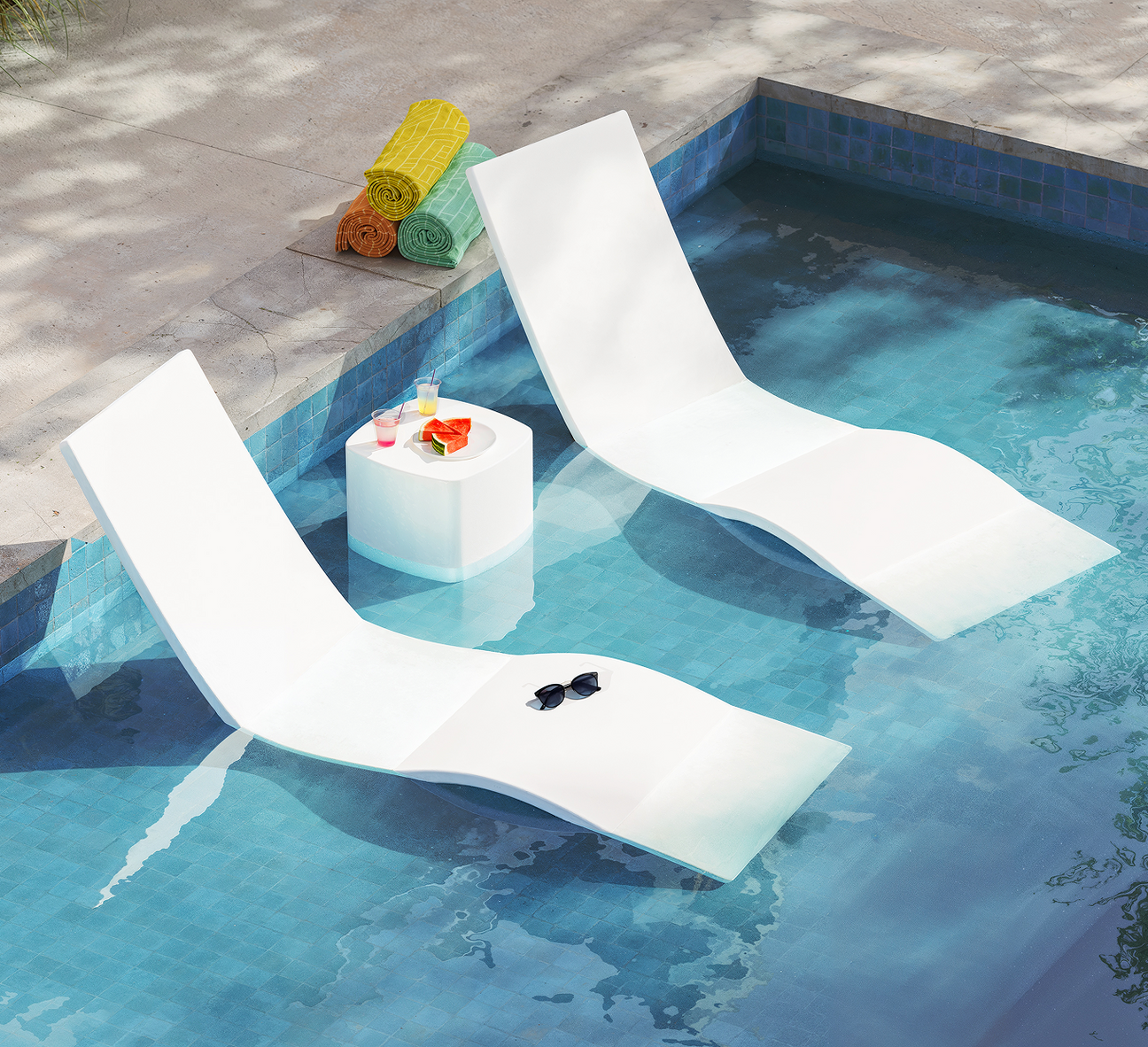
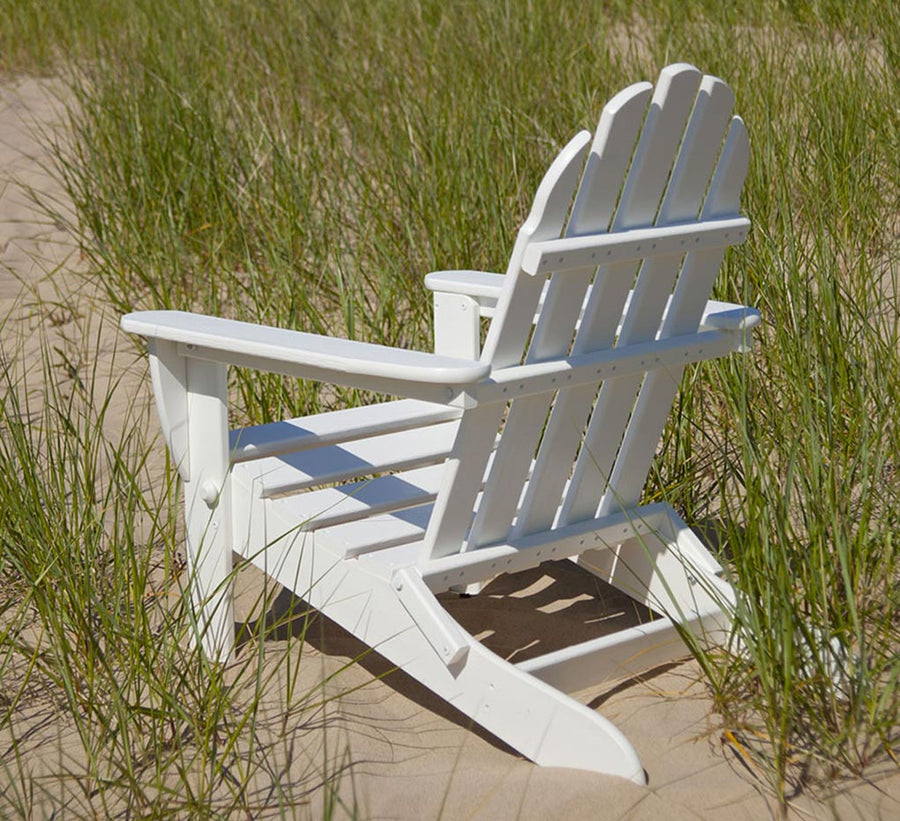
You can stretch out, soak up the sun, and keep an eye on your swimming kiddos from the comfort of a poolside Adirondack chair or chaise lounge. Just make sure you’re choosing all-weather furniture that can handle the splish-splash setting.
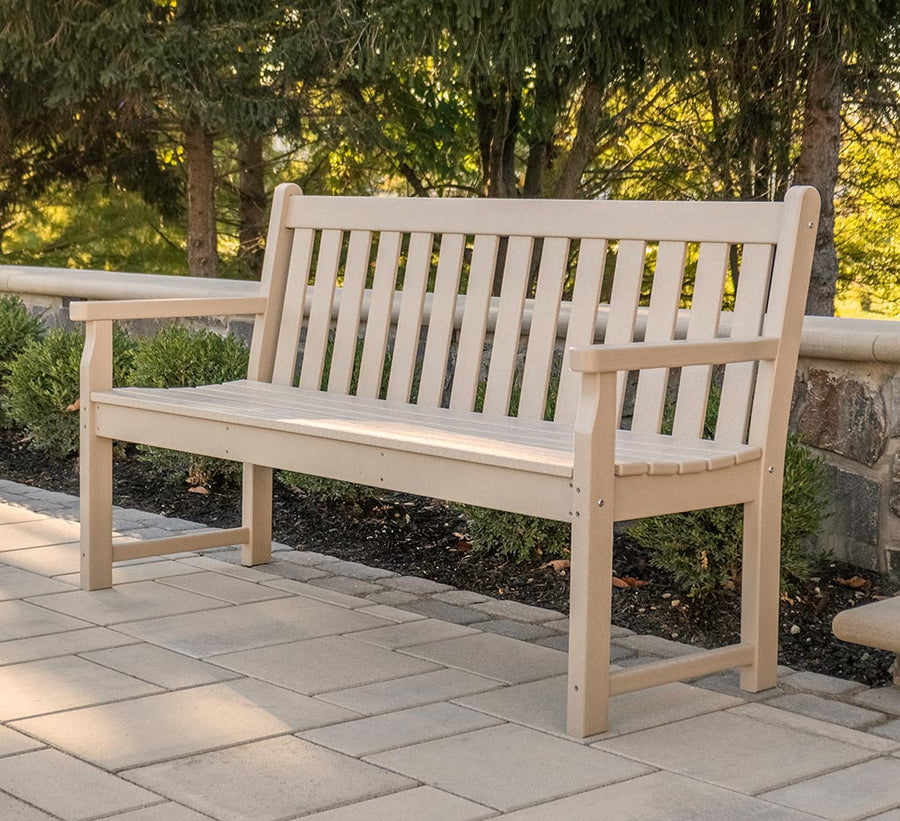
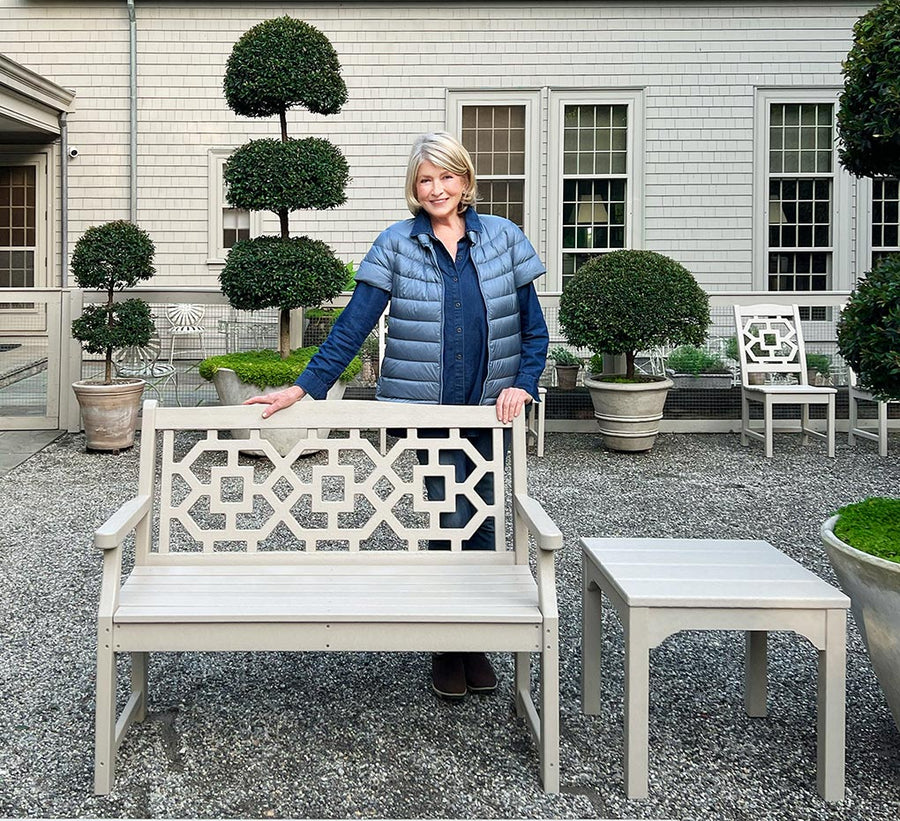
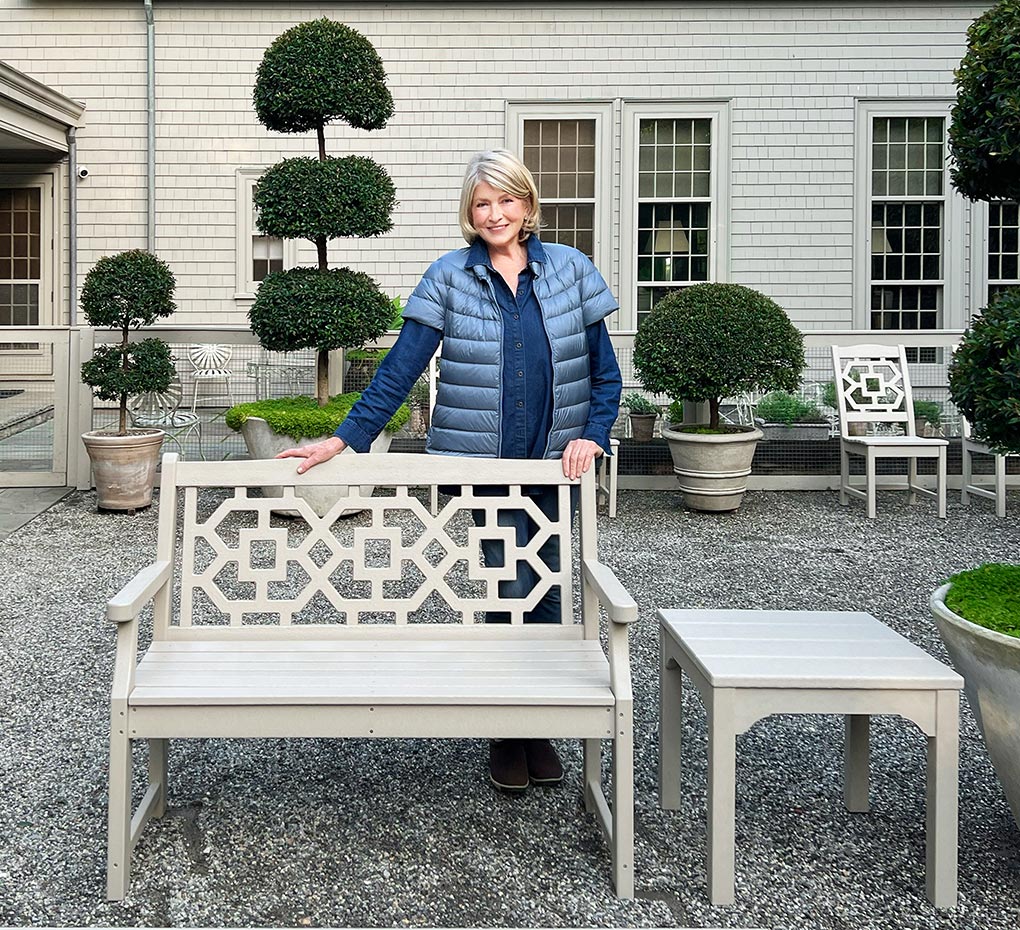
Nestle a single bench or glider along a secluded garden path or beneath a weeping willow to create a serene retreat. This idyllic, private area will give you the space to unwind and admire nature.
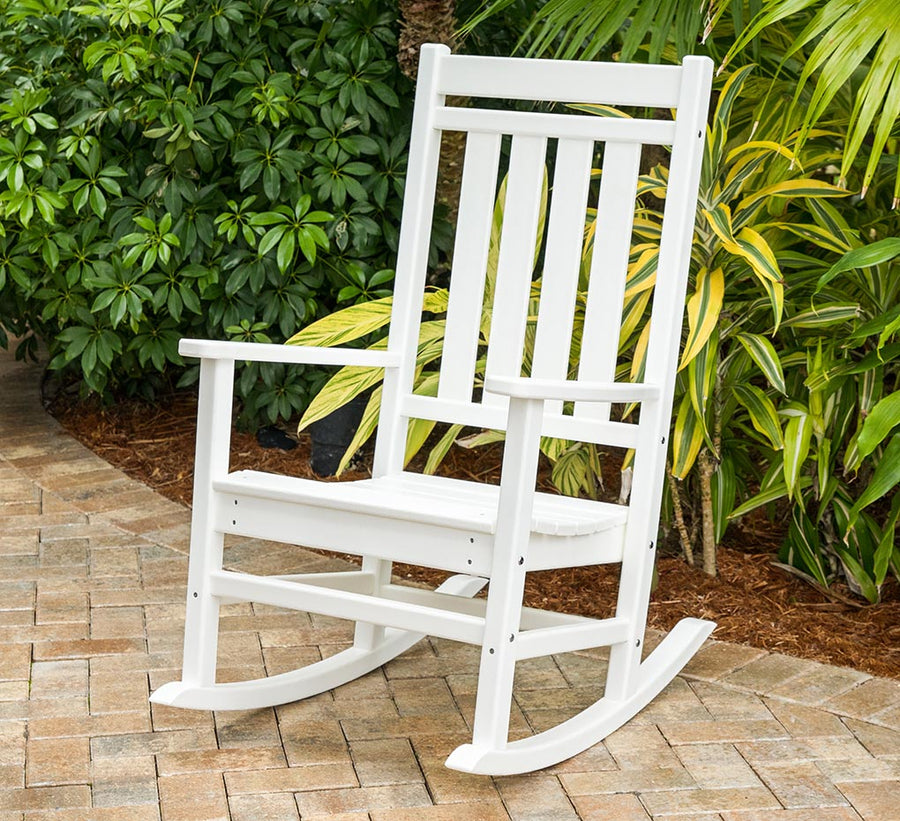
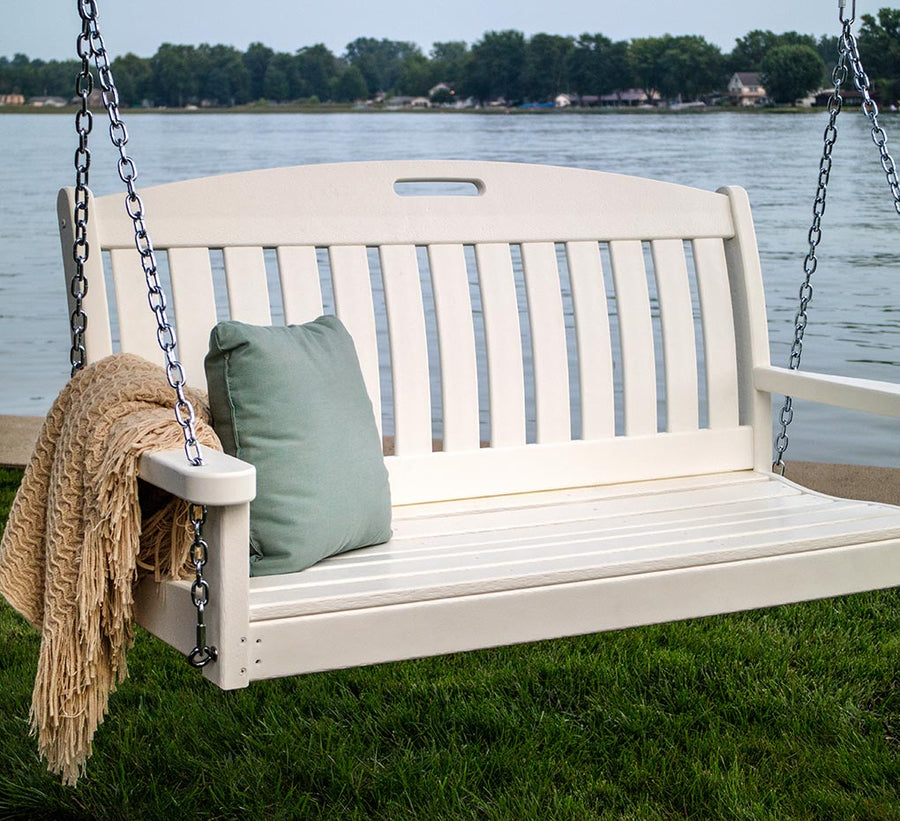
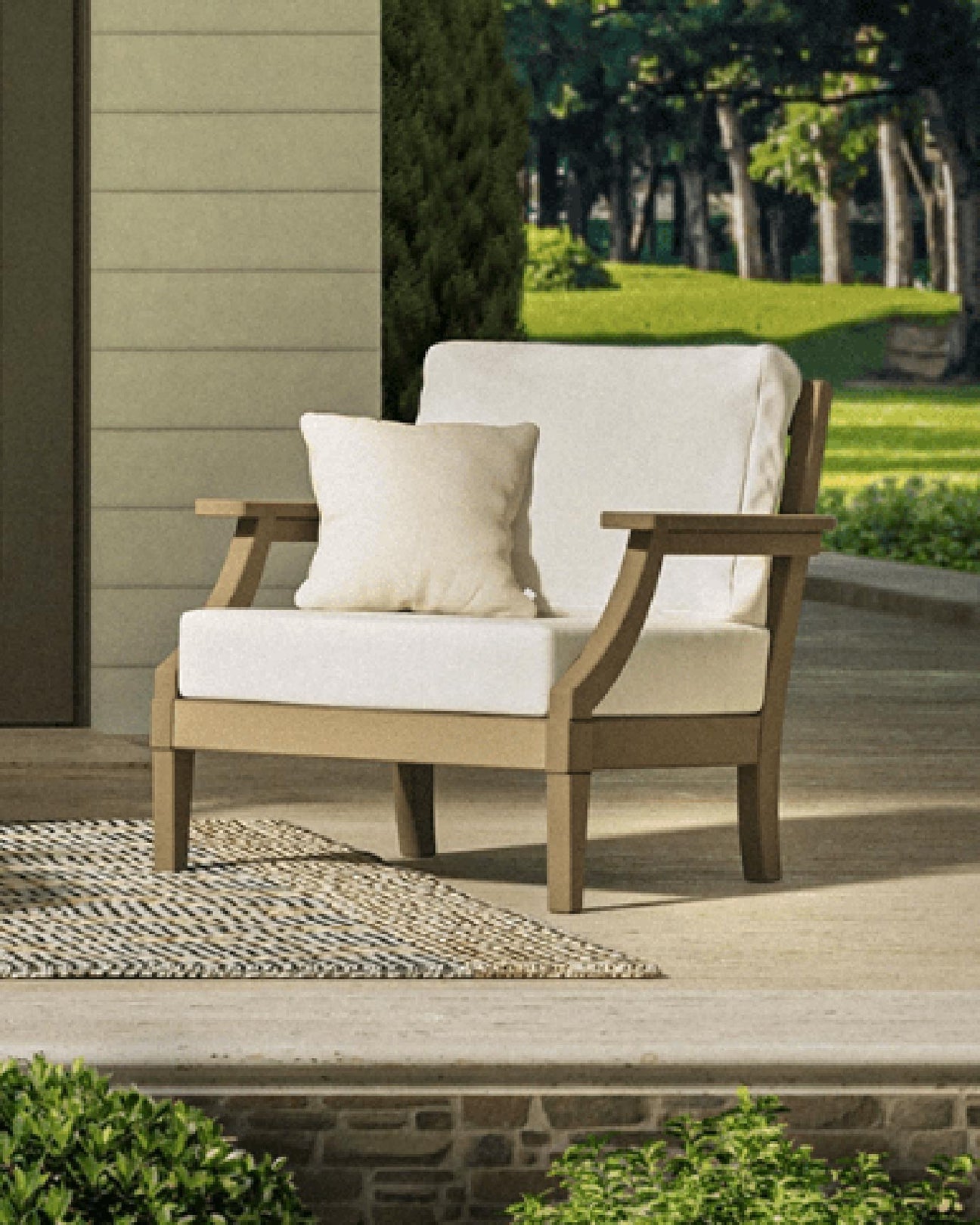
Finally finish the addition to your front porch? Fill the new space with a few well-chosen rockers and a porch swing so family can watch the world go by and welcome visiting guests.
To find the area of your backyard, use this formula: area = length x width. For example, if your yard measures 30 feet long and 40 feet wide, multiply those numbers. The final product is your area, which is 1,200 square feet.
In the United States, the average backyard size is roughly 6,000 square feet.
Use a tape measure to find the length of your shoes. Then, walk straight across your yard, placing one foot directly in front of the other as you go. Count your steps, then multiply that number by your shoe length. Walk from front to back to determine the length, then left to right to find the width. Multiply the length and width to find the square footage.
Caitlin Evans
Cait is an Indiana-based creative content writer who has been with POLYWOOD since 2020. She’s a Purdue alumna, a proud logophile (word nerd), and an advocate of the Oxford comma. In her free time, Cait loves gardening, cooking, running, camping, and spending time with her husband and four fur children.
Are you missing items in your cart? Sign In