






 POLYWOOD
My Wishlist
Easily build your wishlists, or save them for later to add to the cart. Click here for details.
POLYWOODEasily build your wishlists, or save them for later to add to the cart. Click here for details.
Main Menu - Mobile

When planning your outdoor space, one of the most common questions is whether bar-height or counter-height furniture is the better fit. In this guide, we’ll walk through the key measurements, best use cases, and styling tips to help you confidently compare bar-height vs. counter-height options.
In This Article
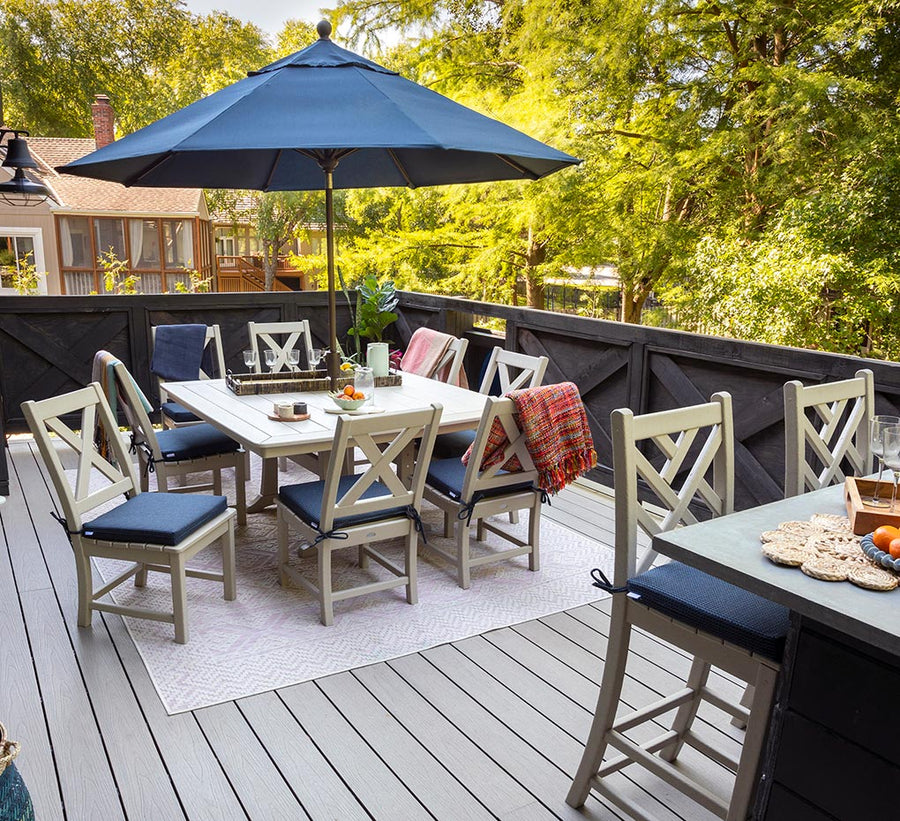
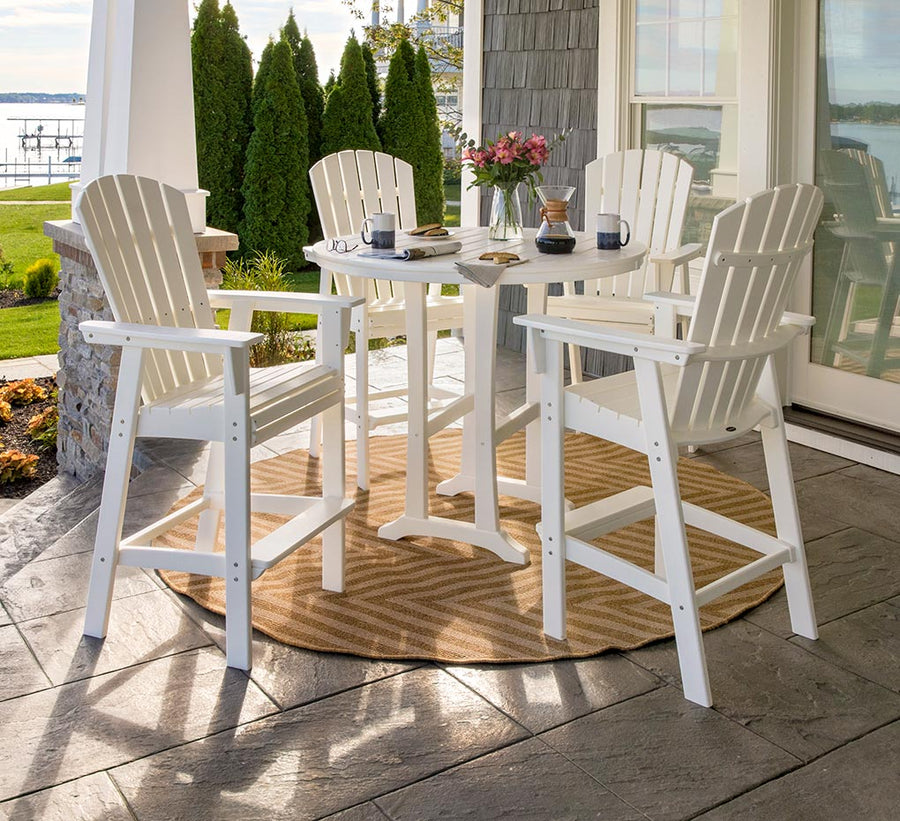
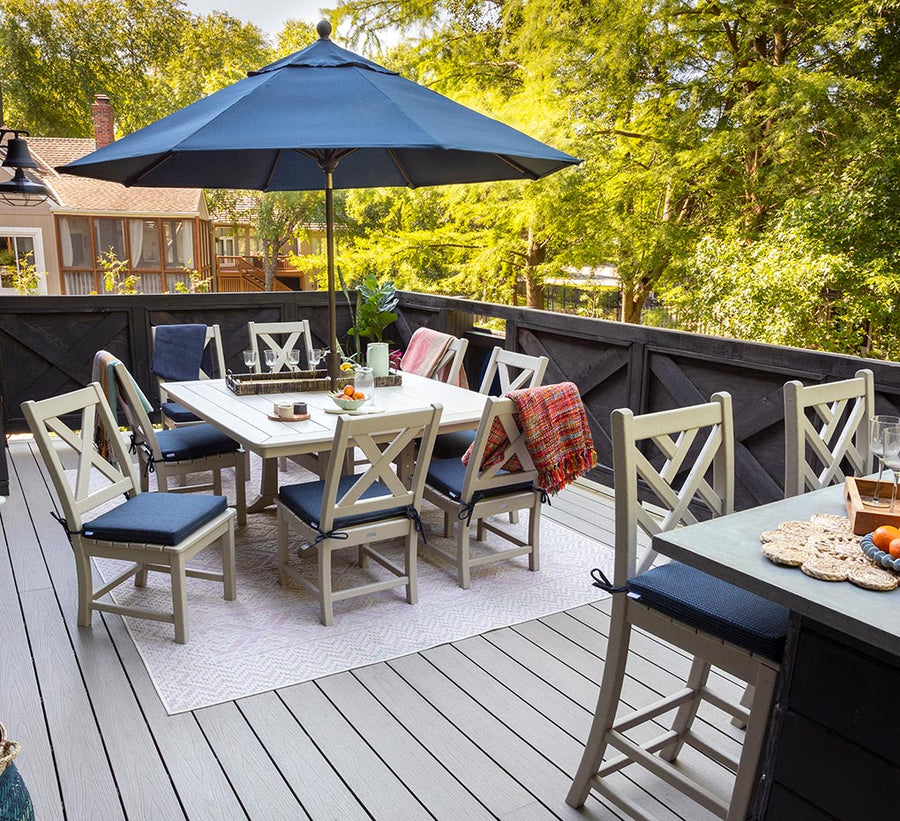
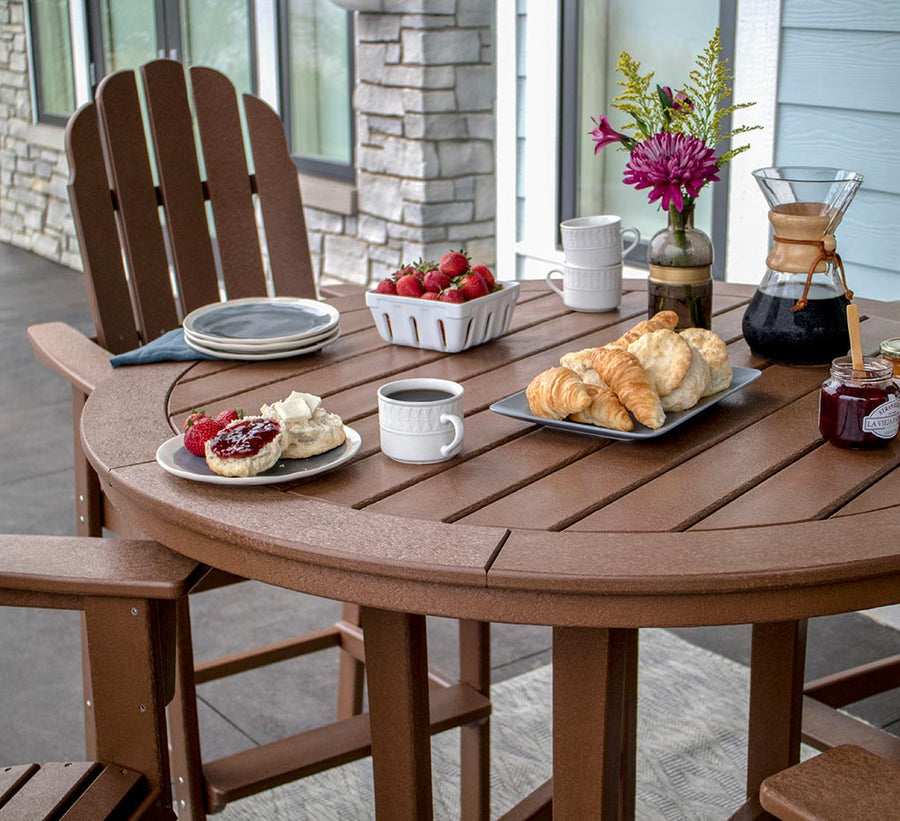
The tallest of all alfresco furniture, bar-height stools typically stand 28–32 inches high, from floor to seat, and bar tables range between 40 and 42 inches tall.
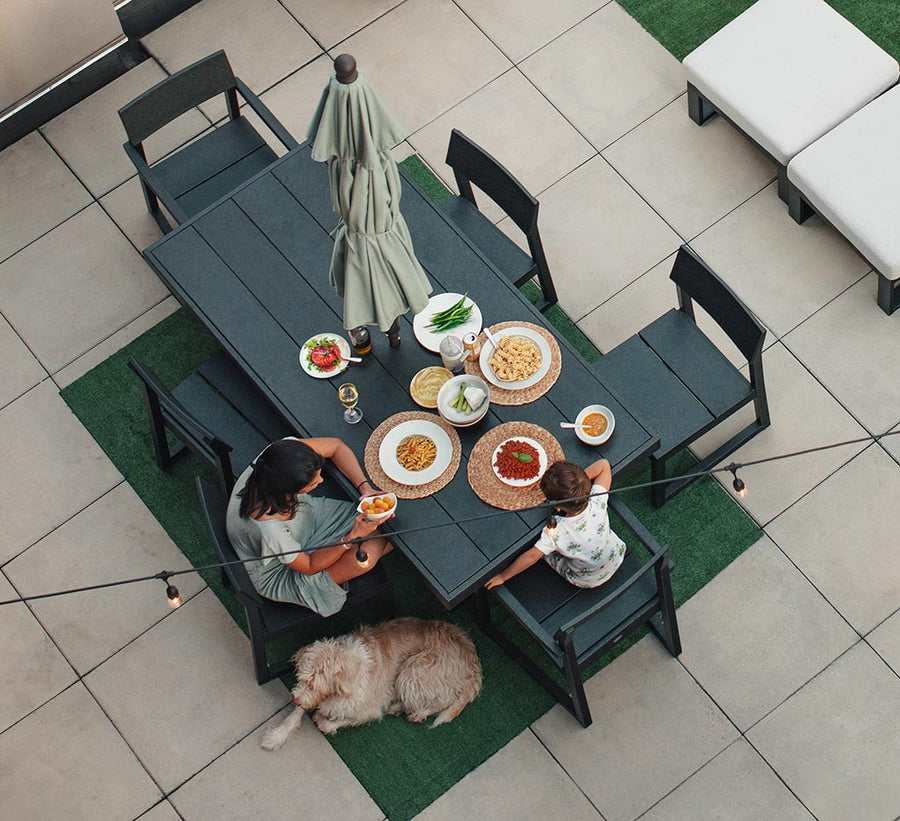
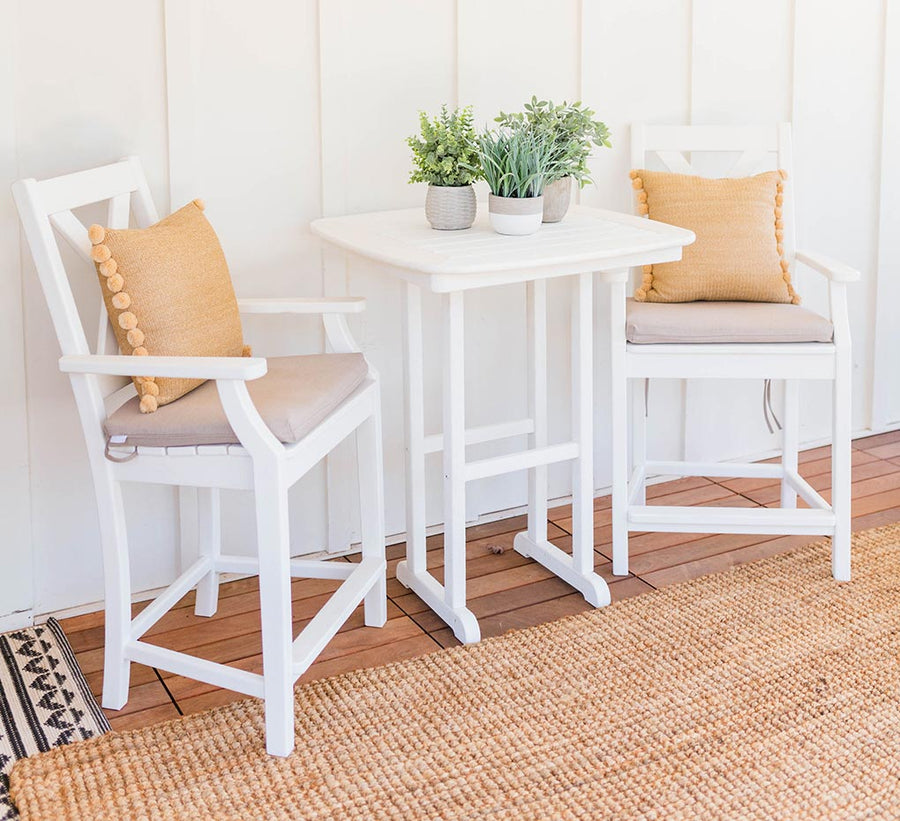
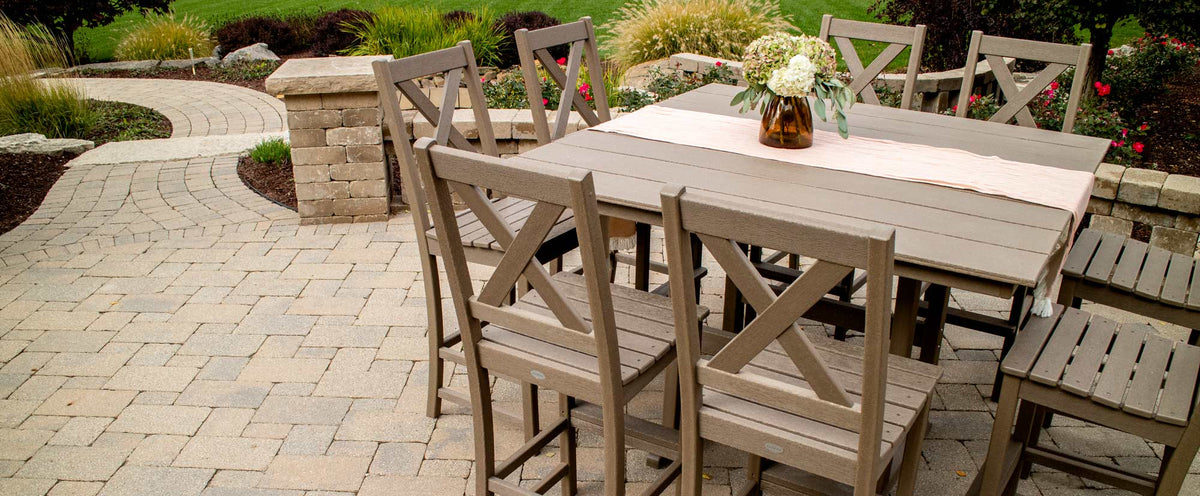
Counter-height tables are a little shorter, at 34–37 inches high, and seat heights are usually 24–27 inches tall. Bar furniture is typically six inches taller than counter furniture.
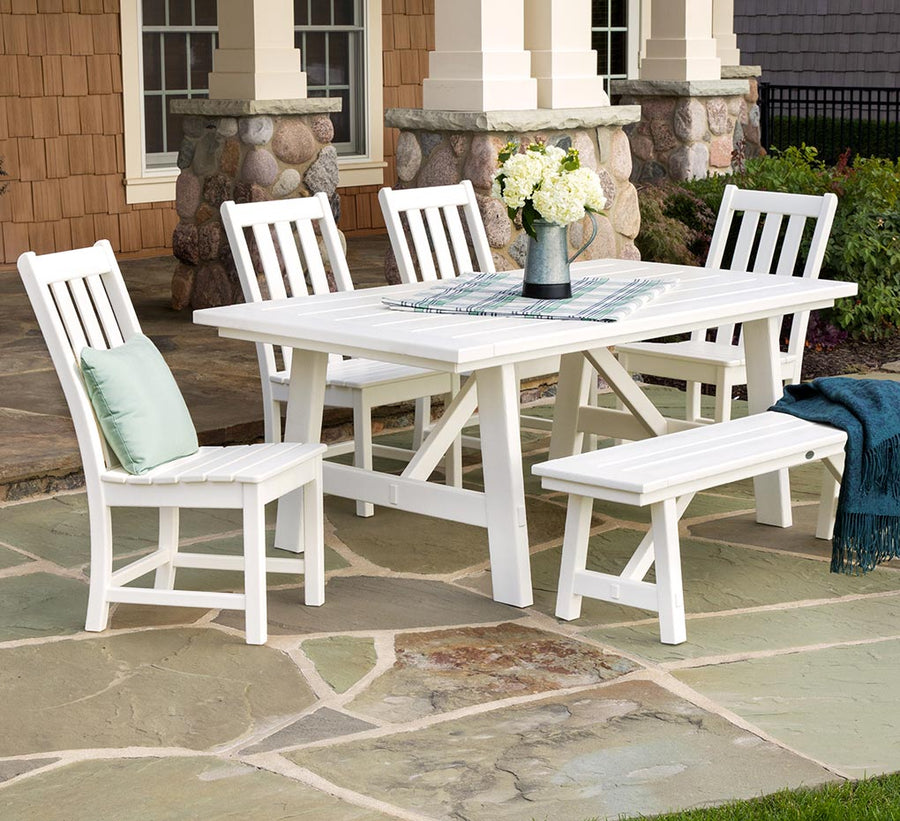
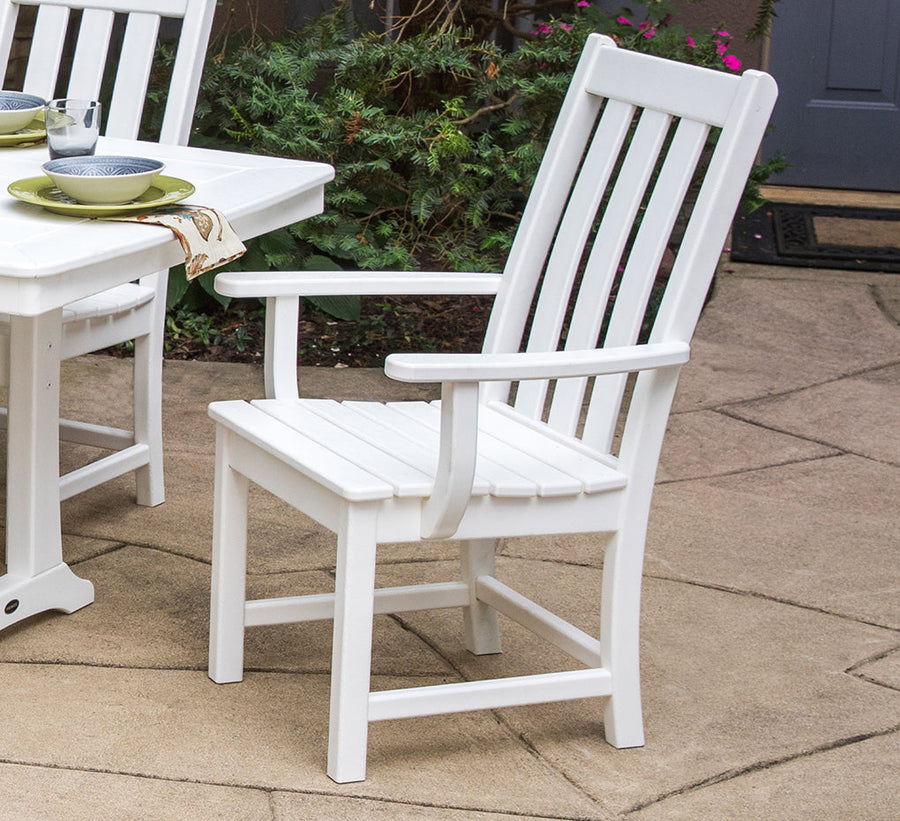
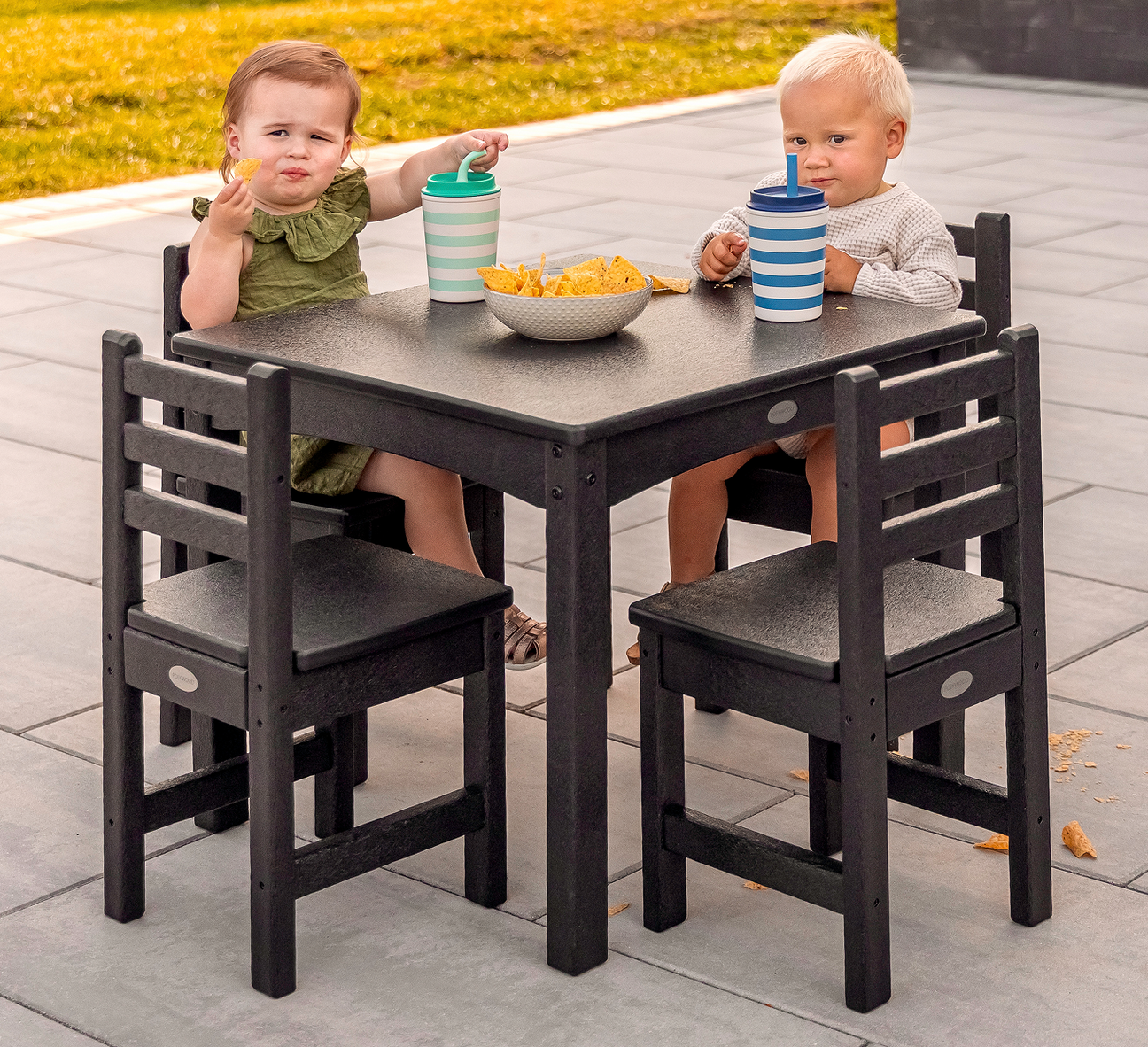
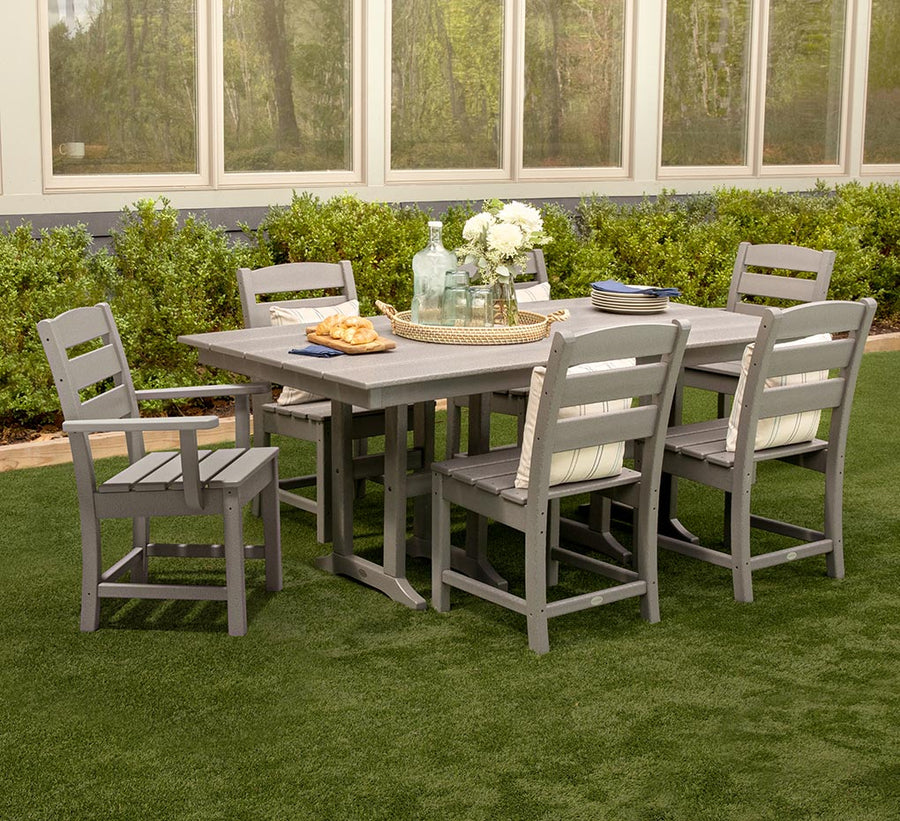
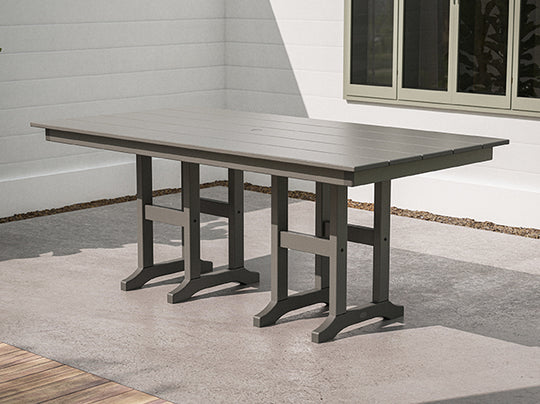
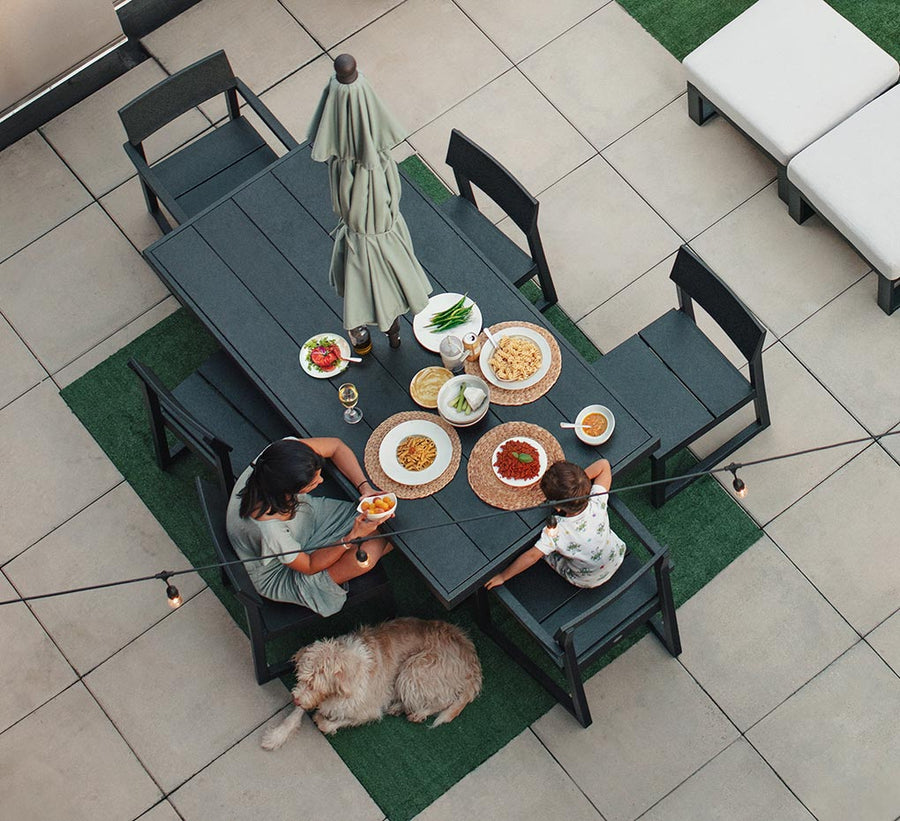
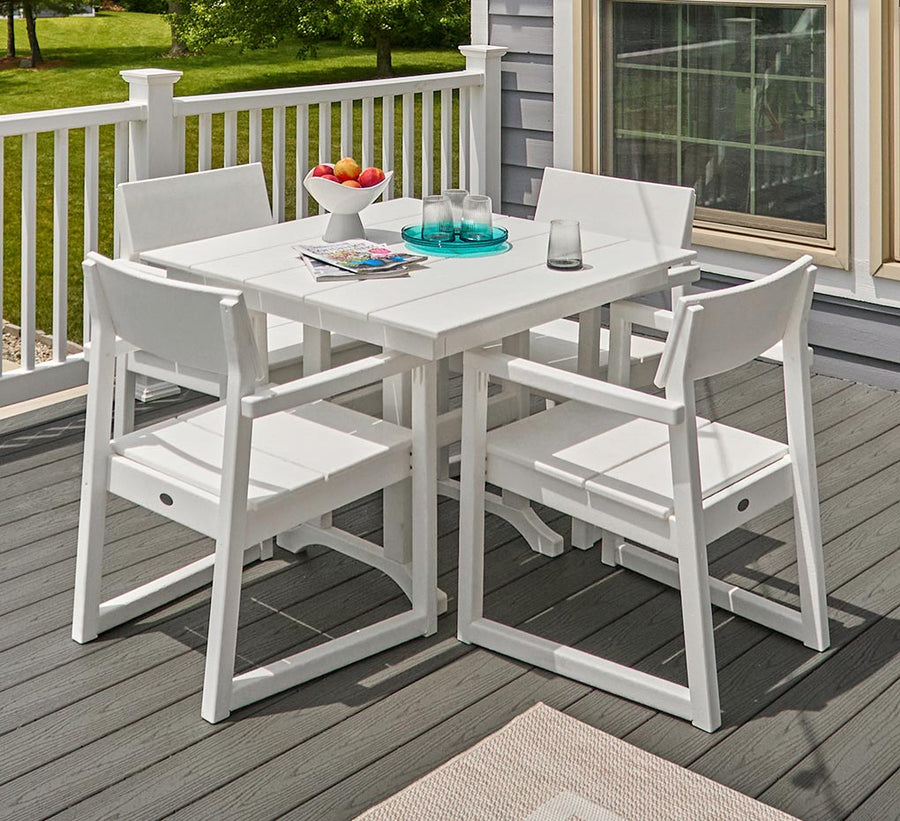
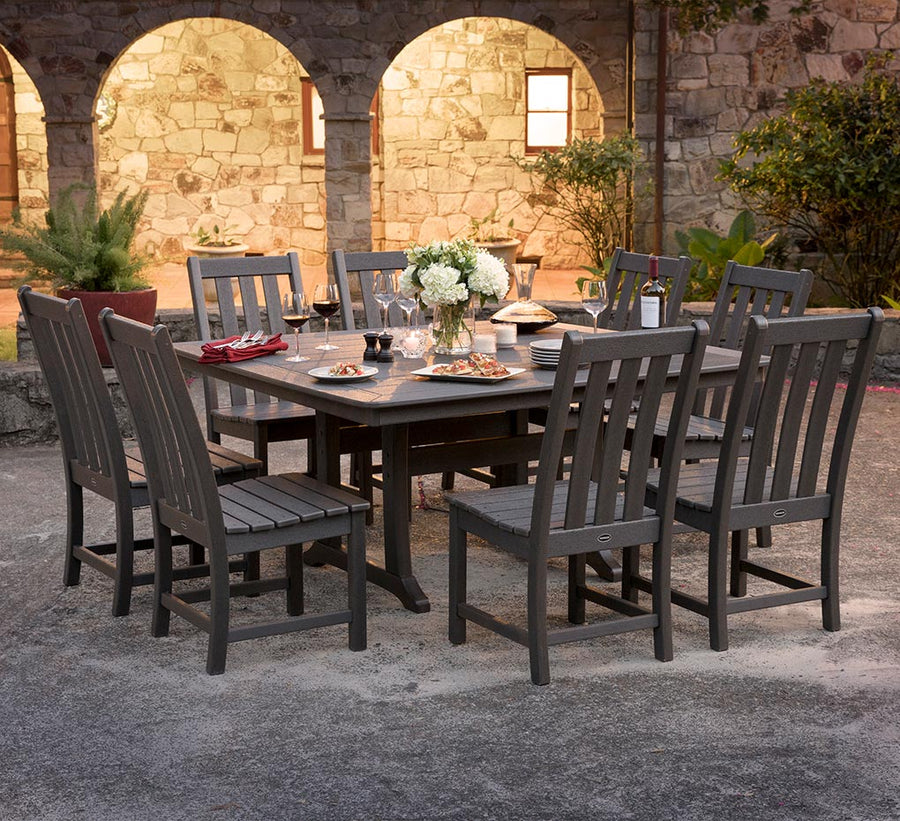
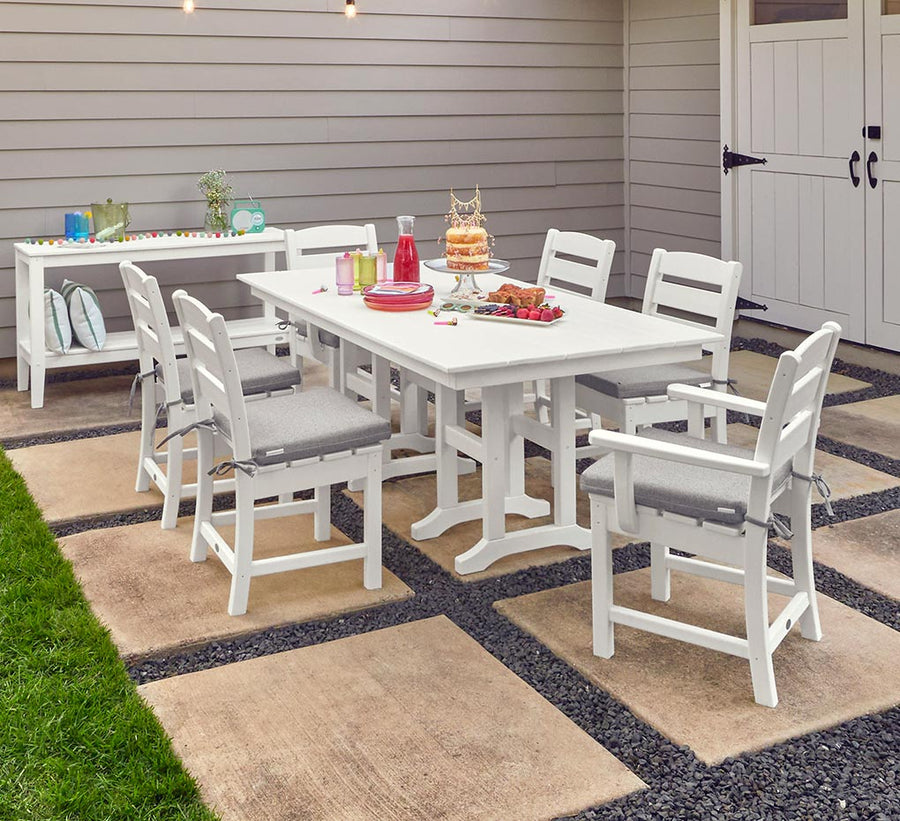
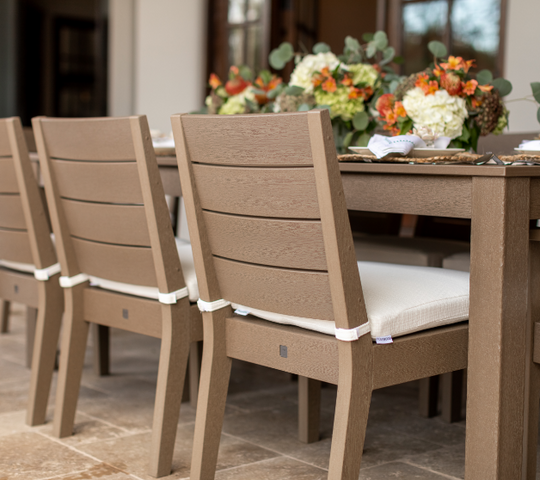
Dining furniture sits the lowest to the ground, about 4–12 inches shorter than bar and counter pieces. The average seat height is 16–20 inches, and tables stand 28–32 inches tall.
Choose bar-height furniture to maximize limited dining space or accommodate above-average-height family members.
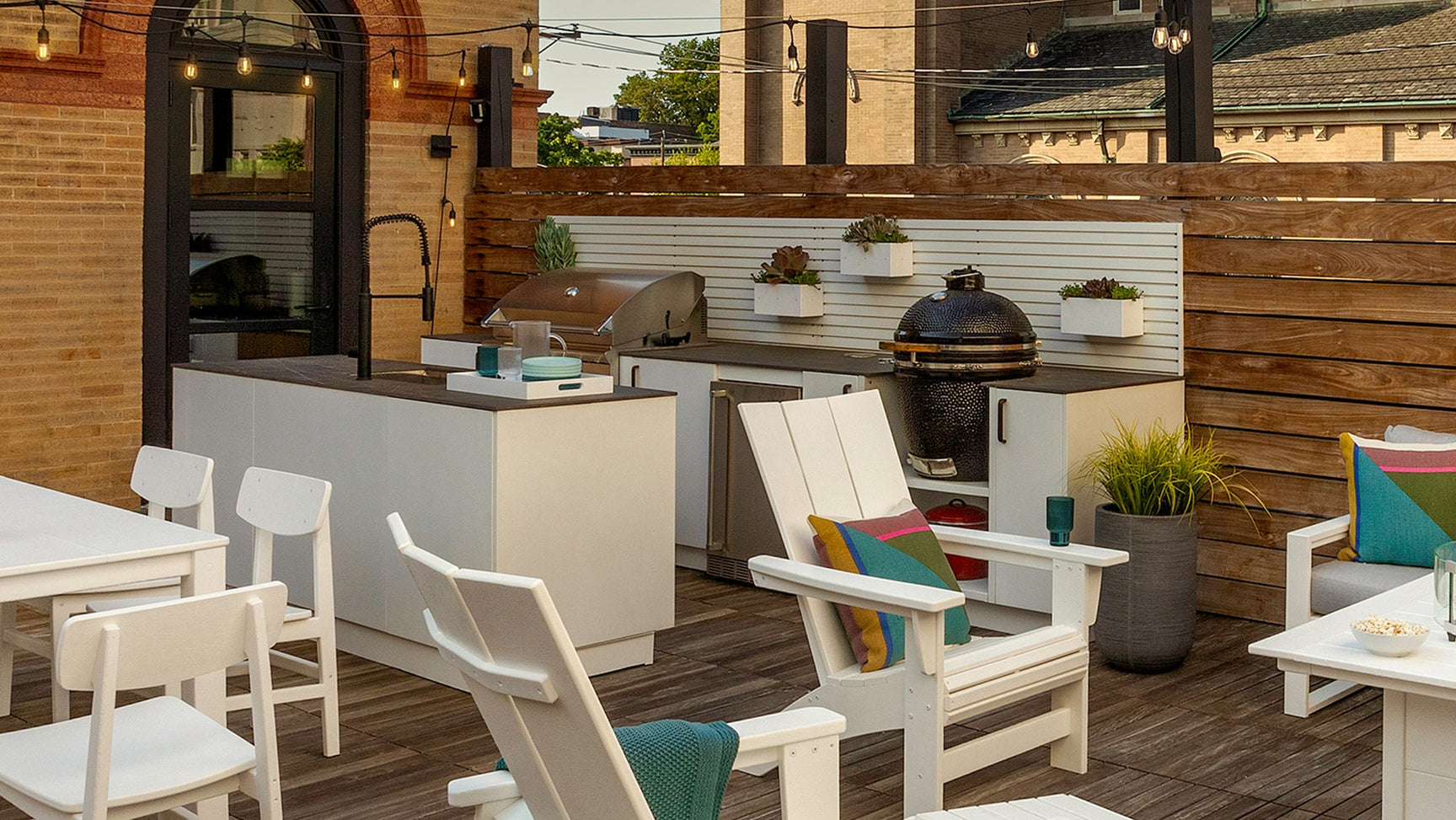
These sets complement second-story settings and extend the serving space of outdoor kitchen counters.
Dining sets are the most inclusive of the three furniture heights and offer the widest selection, making shopping and styling easy.
Knowing the difference between bar-height vs. counter-height furniture is important for picking the right pieces to fit your space when furnishing a small balcony, designing an outdoor kitchen, or setting up a relaxed dining area.
Each option offers distinct advantages in style, comfort, and function—it's just a matter of what works best for your space.
Are you missing items in your cart? Sign In


