













 POLYWOOD
My Wishlist
Easily build your wishlists, or save them for later to add to the cart. Click here for details.
POLYWOODEasily build your wishlists, or save them for later to add to the cart. Click here for details.
Main Menu - Mobile

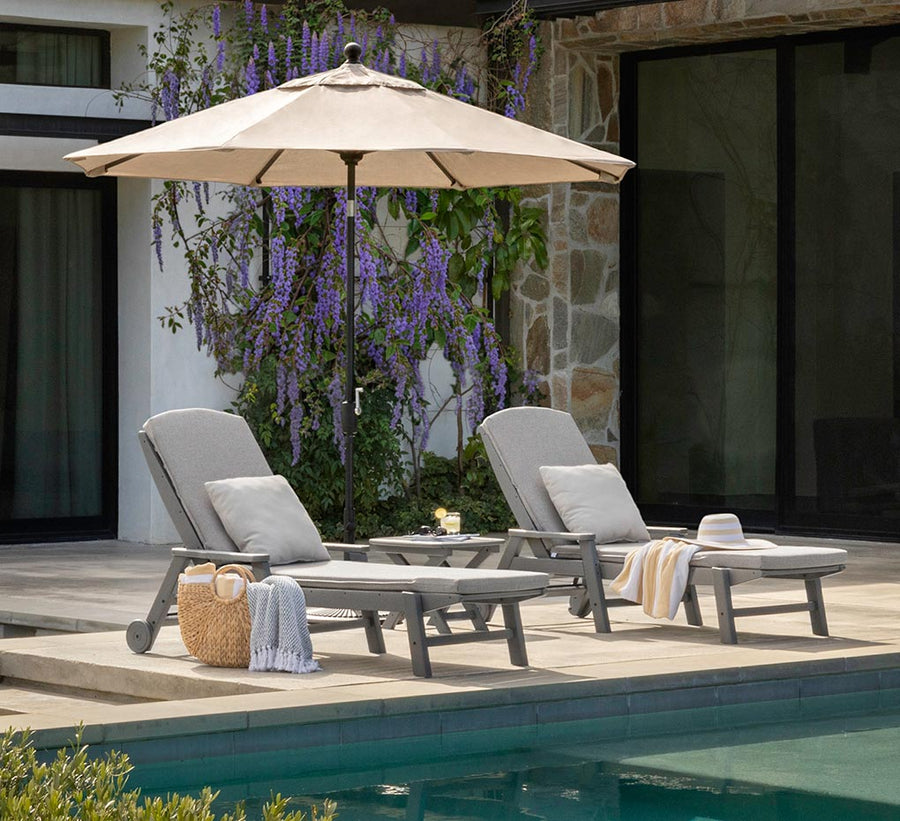
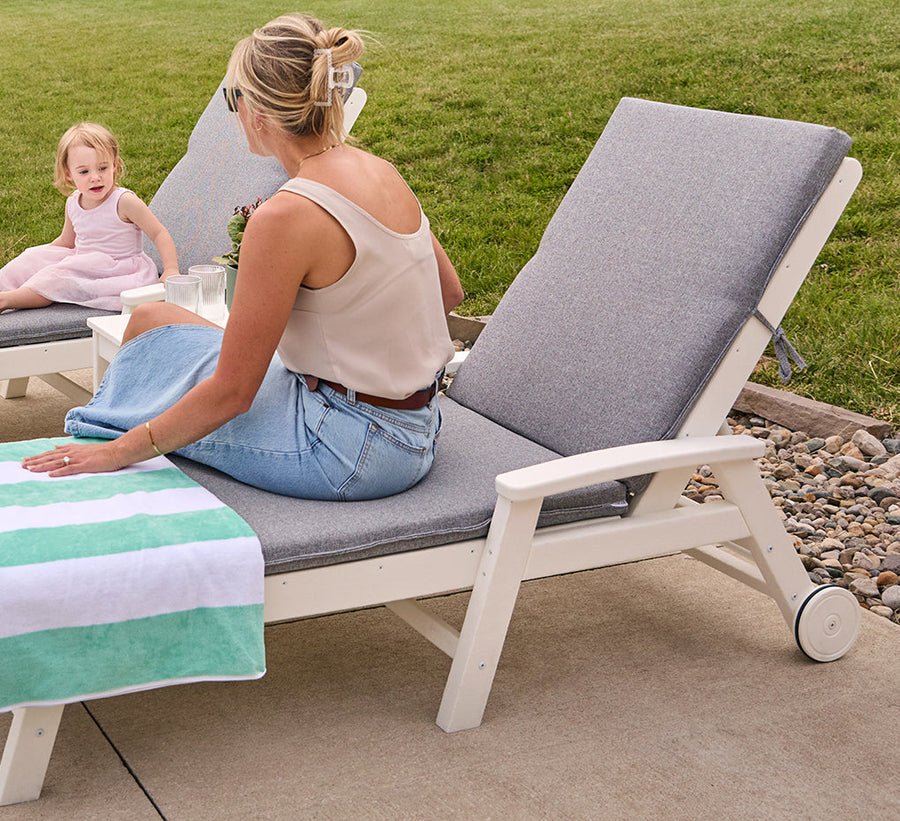
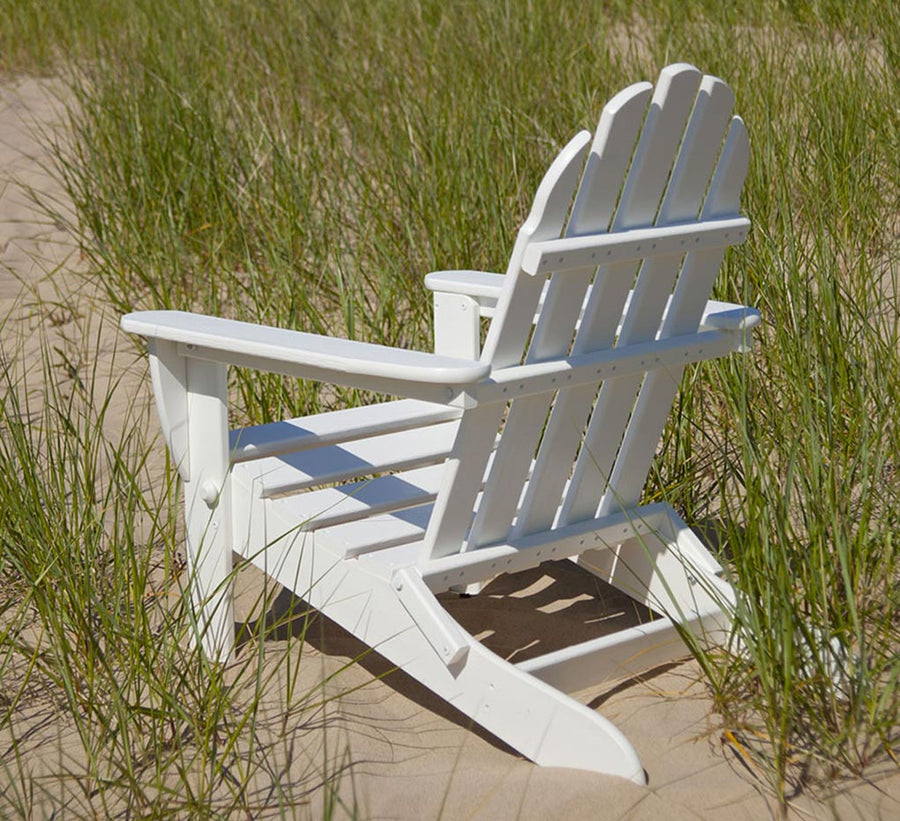
Whether you live on the beach or just love to visit it, you probably have outdoor furniture dedicated to shoreside relaxation. These loungers are frequently used in extreme outdoor elements, so regular maintenance is a good habit to start to keep them in great shape for the long haul.
The combination of oceanside climates and continuous usage can be tough on chairs, so you should clean them regularly to ensure long-lasting durability. Processes vary depending on what your furniture is made of, so we created a list of easy cleaning methods for different outdoor beach materials. Browse the care instructions and tips below to learn how to clean beach chairs of all types.
Humidity, moisture, sand, and sun can damage and warp wood over time. Hardwoods like teak and ipe can handle inclement weather better than softwoods like pine, so your patio furniture might need to be cleaned more often, depending on the wood. Either way, preventive maintenance and regular cleaning will keep your furniture in great shape.
Store or cover wood-framed chairs when not in use, and keep them out of direct sunlight as much as possible. This Family Handyman article suggests applying a sealant, such as exterior polyurethane with UV blockers, for extra protection. Do this annually (or more frequently if your furniture gets a lot of use) before each busy beach season to ensure your chairs are ready for relaxation.
A popular choice for beachside lounging, aluminum furniture is lightweight and resistant to mold, mildew, pests, and rust.
Rust occurs when iron oxidizes, and since aluminum doesn't contain iron, it cannot rust. However, it can corrode. Saltwater and even moist, salty air can cause corrosion. A Reliance Foundry Co. Ltd. article suggests shielding aluminum furniture with a protective coating such as car wax, exterior paint, or a silicone spray like WD-40.
PRO TIP:
Before applying the sealant fully, do a spot test to ensure it won't damage your lounge chair.
If nothing bad happens, go ahead and cover the remaining surfaces. If you see adverse effects, stop using the sealant and contact the chair manufacturer for product recommendations.
Wrought iron furniture is popular in outdoor spaces because of its durability and elegant appearance. This material is resistant to wind, mold, and mildew and can last a long time with proper care.
Wrought iron is prone to rust—especially in oceanside settings, but you can protect your furniture by keeping it dry. Cover your chairs or store them in a garage or shed when you're done using them. For extra protection, apply car wax, WD-40, or exterior paint after your chairs have been cleaned and dried.
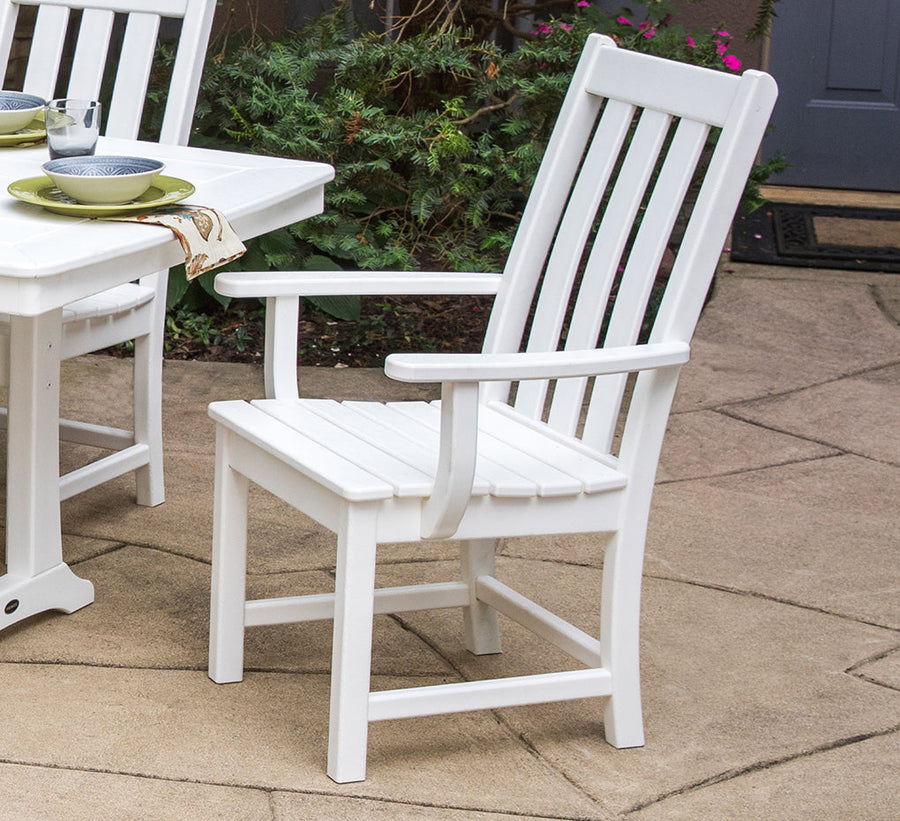
HDPE is an excellent choice for any outdoor furniture setting, from tropical locales to desert landscapes. This durable material is used in a variety of heavy-duty outdoor applications, such as fencing and playground equipment, so it’s a great choice for coastal environments as well.
HDPE can be left out all year and doesn't need much protection, but there's nothing wrong with covering or storing your chairs when you're not using them. If you want to do a deep clean, spray off your seats using a high-pressure power washer (not to exceed 1,500 psi), then follow up with the above cleaning method. We recommend doing this annually before the summer season.
Wicker is a weaving technique used to make gorgeous furniture, baskets, and other decor. However, natural wicker materials like bamboo, rattan, or reeds don't hold up well in beachside settings. Synthetic wicker is a preferred beach furniture option because it's made from durable materials such as nylon, HDPE, or polyethylene (PE).
Cover and store wicker furniture when it's not in use. We recommend both steps to keep dust from collecting on your chairs while sitting in your garage or shed. It means less work later on when you pull them out of storage.
PRO TIP:
Don't use harsh chemicals or abrasives when cleaning lawn chairs. You'll probably be cleaning your furniture outside, and if those cleaners spill, they can seep into the ground—and eventually the water. Plus, strong cleaning solutions can damage the materials of your beach chair seats and shorten their lifespans, leading to more money spent down the road for replacements.
All-weather sling, mesh, or canvas fabrics are often used as the seat and back portions of chairs, chaise lounges, rockers, and other outdoor seating. It's typically attached to aluminum, plastic, or wooden frames.
Properly store your seats when they aren't in use—don't leave them in a haphazard heap in your shed—this takes up more space than necessary and could damage your furniture. Put stackable chairs in a tower in the corner of your storage space, and don't place things on top of them, as it can tear the seats’ fabric. Folding chairs should not be stacked. Instead, hang them on hooks, slide them beneath tables, or lean them against walls.
Today's plastic chairs are more durable than their predecessors, and many beachgoers turn to injection-molded plastic seating because it's inexpensive, lightweight, and rustproof. Still, coastal climates can do a number on these chairs if they're not maintained on a regular basis.
Prolonged exposure to the sun's intense heat and UV rays can warp and fade injection-molded plastic seats, giving them a chalky look. Plus, these chairs are lighter, so a blustery day can push them right into the water (and we don't want plastic in our oceans). Store your plastic furniture in the off-season and use car wax or silicone spray with UV protection to shield it from the sun.
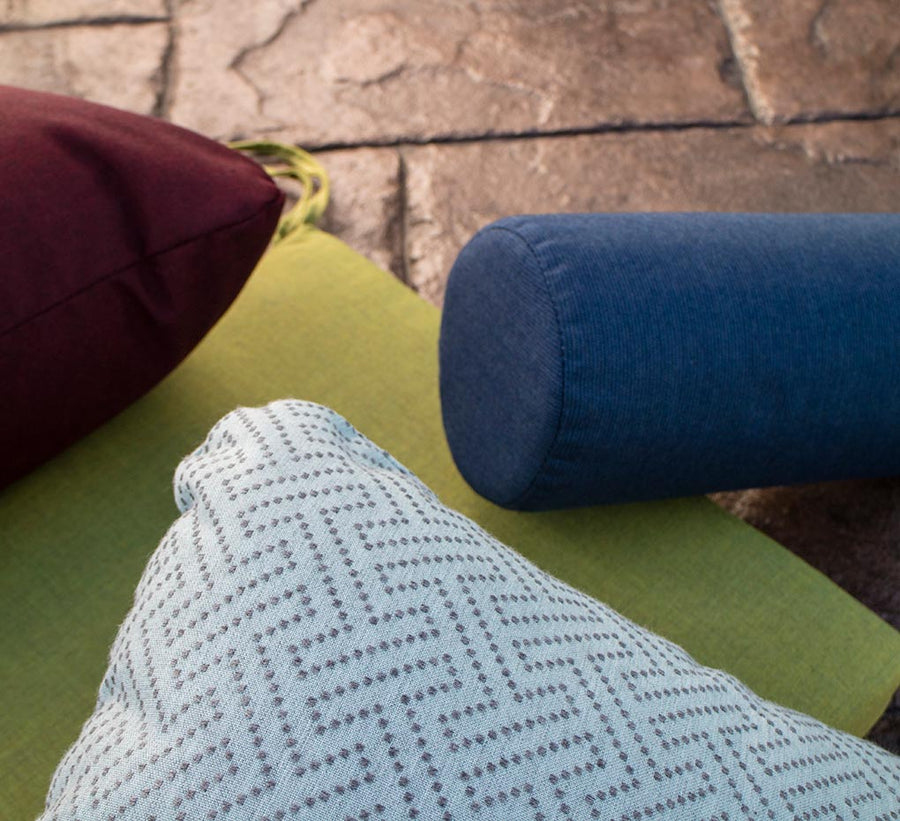
We didn't forget this important detail. If you use outdoor cushions to add a little more softness to your seats, you understand that it doesn't take long for them to get dirty while lounging by the water. Stains, humidity, bird droppings, and sun exposure can damage cushions. Here's how to keep your pillows pristine.
PRO TIPS:
Maintain your beach chair by keeping it dry and out of the sun as much as possible. Clean it regularly and apply a protective sealer to keep it safe from the elements. Cover or store your lounge seats when you're not using them.
Fill a spray bottle with a solution of one part water and two parts white vinegar. Spray the canvas parts and rub the mixture in with a sponge. Scrub the frame with soapy water, rinse everything with clean water, and let the chair air-dry completely.
NOTE: Don't use bleach to clean canvas chairs because it could damage and discolor the fabric.
Prevent rust on beach chairs by keeping them dry and applying car wax or a silicone sealant like WD-40 to all surfaces.
Brush away loose dirt and debris, then gently scrub all the surfaces of your aluminum beach chairs using a soft-bristle brush, mild dish soap, and water. Rinse with clean water and let your seats fully dry before using or storing them.
Caitlin Evans
Cait is an Indiana-based creative content writer who has been with POLYWOOD since 2020. She’s a Purdue alumna, a proud logophile (word nerd), and an advocate of the Oxford comma. In her free time, Cait loves gardening, cooking, running, camping, and spending time with her husband and four fur children.
Are you missing items in your cart? Sign In


