Make your home shine from every angle, whether you're hosting or selling, with our spring cleaning checklist. This guide is dedicated to refreshing your outdoor surfaces and fixtures, so continue reading to learn how to keep your exteriors in shape.
Before you start cleaning, we recommend completing the following tasks:
Check the warranty and care instructions for any items you own, and follow the suggested cleaning methods.
When working with harsh chemicals and pressure washers, always wear goggles, gloves, a facemask, boots, and ear protection.*
Block off your work area so curious kids and pets can't wander in by mistake.
*NOTE: Some of the cleaning methods below include bleach. If you prefer a natural alternative, we recommend undistilled white vinegar.
When cleaning wood, scrub with the grain to prevent damage.
Never use a wire brush on concrete; it can leave rust stains and scratches.
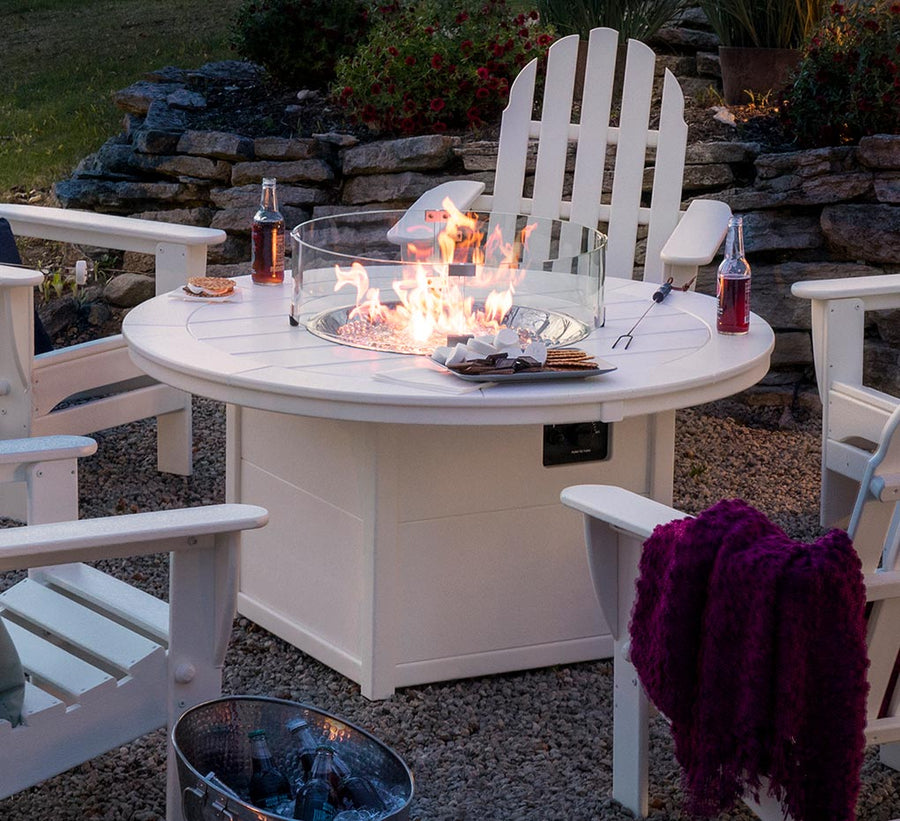
Vinyl siding can melt when repeatedly exposed to extreme heat, so place grills, smokers, and fire pits far from your home's exterior.
To keep doors and windows operating smoothly, periodically apply a small amount of silicone-based lubricant to the hardware.
Regularly vacuum or wipe window tracks to prevent insects, dirt, and grime from creating blockages.
Poke holes in a small plastic sandwich bag and fill it with nutmeg, bay leaves, and caraway seeds. Hide the bag near your light fixtures to repel insects.
Protect metal light fixtures from oxidation by applying a thin coat of non-abrasive liquid polish or car wax.
Safety Tips
Choose non-chlorine bleach over the chlorinated versions—it’s gentler on surfaces and better for the environment.
Do not steam-clean glass when it's cold outside. The extreme temperature changes can cause the glass to crack.
Avoid harsh chemicals or abrasives on delicate surfaces like glass, brick, stucco, lacquer-coated brass, etc.
ALWAYS turn off circuit breakers to any fixtures that run on electricity before cleaning them.
Use scaffolding when cleaning siding, as it’s safer and more convenient than a ladder. If you don’t have access to scaffolding, have another person steady the ladder while you work.
FAQs
Should I wash the exterior of my house?
Washing the outside of your house removes dirt and grime that builds up throughout the year, which has two main benefits. The first is that your home’s exterior will look attractive, which boosts itscurb appeal and resale value. The second benefit is that regular maintenance prevents easy-to-fix problems from turning into serious structural issues down the road, allowing you to avoid expensive repairs and possible health hazards.
How often should you clean the exterior of your house?
Clean the outside of your house twice a year to keep the fixtures and surfaces in good shape. Schedule a spring cleaning to prep for outdoor entertaining, then tidy up in the fall when the season ends.
Is it better to pressure wash or soft wash a house?
Soft washing is typically preferred over pressure washing because it takes less prep work and equipment. To safely pressure wash your home, you'll need not only the machine itself but also extra safety equipment and scaffolding. Plus, it's a good idea to do your homework to ensure you know the proper technique, psi setting, and spray nozzle to use on your home's exterior—otherwise, it could lead to accidental property damage.
That being said, pressure washing is ideal for deep cleaning sessions. When your house needs extra TLC, a pressure washer will make quick work of tough stains, old lead paint, mold, mildew, and other issues that soft washing can't handle.
Cait is an Indiana-based creative content writer who has been with POLYWOOD since 2020. She’s a Purdue alumna, a proud logophile (word nerd), and an advocate of the Oxford comma. In her free time, Cait loves gardening, cooking, running, camping, and spending time with her husband and four fur children.
















































 POLYWOOD
 Categories


