Which Outdoor Furniture Material is Best for Your Beach House?
Written by: POLYWOOD Staff
|
Published on
|
Last updated on
|
Time to read 4 min
If you own beachfront property, chances are you spend as much time on the shore as you do on hardwood floors. And it's no wonder why. Spectacular sunsets, fresh air, the repetitive sounds of rolling waves—you have the best that nature has to offer right in your backyard.
Whether you love outdoor entertaining or quiet solitude is more your speed, you need high-quality furniture that will keep up with your lifestyle and the local climate. Finding the best outdoor furniture for oceanfront living takes some upfront research, but we can help if you're not sure where to start.
In fact, the legwork is already done. We've compiled a list of the most popular outdoor furniture materials and how they handle oceanside environments.
Table of contents
Consider the Conditions
Oceanside conditions vary depending on where you live. For example, the climate in the Gulf of Mexico is different from that of a coastal town in Maine. However, there are certain outdoor elements that all beach homes face:
Humidity
Salt spray
Moisture
Sand
Sun exposure
Wind
Intense storms (hurricanes, nor'easters, etc.)
Keep these conditions in mind when searching for beach-friendly furniture. You'll want outdoor dining and lounge pieces that are resistant to water, wind, fading, salty air, and other inclement conditions.
Materials Matter
Here's a list of popular outdoor furniture materials, including how well-suited they are to seaside settings. Note that no material is "bad"—it's just going to require more maintenance or will need to be replaced sooner.
Furniture Material
Performance Rating
(1 = Low, 5 = Top)
Aluminum
4
Hardwood
3
Softwood
1
HDPE
5
Natural Wicker
1
Synthetic Wicker
4
Wrought Iron
2
Injection-Molded Plastic
2
Aluminum
Thanks to its durability and affordable price tag, aluminum is a favored furniture choice for outdoor living.
Pros
Lightweight material that's easy to move and store
Resistant to pests, water, and rust; powder-coated options are even more durable
Doesn't require much upkeep or cleaning
Cons
May be moved by strong winds
Becomes uncomfortable in hot and cold weather
Hardwood
Hardwoods are dense and durable—ideal materials for outdoor furniture.
Pros
Wind-resistant
Relatively resistant to rot, insects, and salt air
Not prone to warping or cracking
Cons
Needs regular upkeep to repel the elements
Can discolor if left out in the sun for too long
Heavy material that's hard to move and store
Softwood
Cypress, cedar, and redwood are the most popular softwoods for making outdoor furniture.
Pros
Easier to move than hardwoods but heavy enough to resist wind
Stays comfortable in hot and cold weather
Inexpensive and readily available
Cons
May warp or fade when exposed to direct sunlight
Susceptible to moisture and humidity
Easily damaged by insects and sand
High-Density Polyethylene (HDPE)
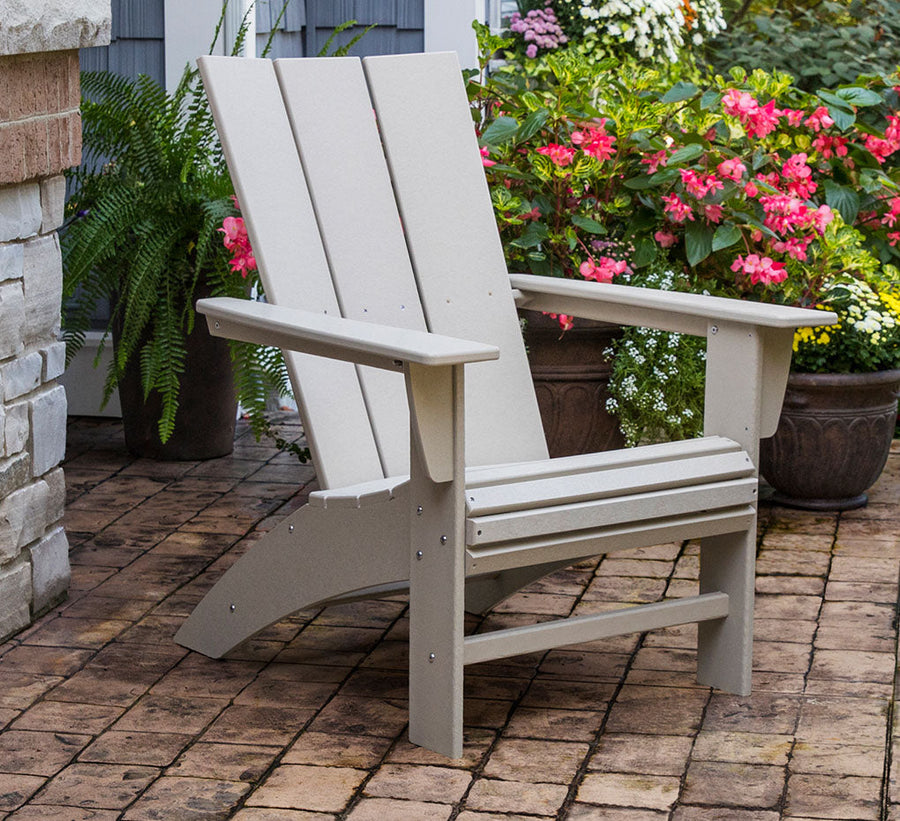
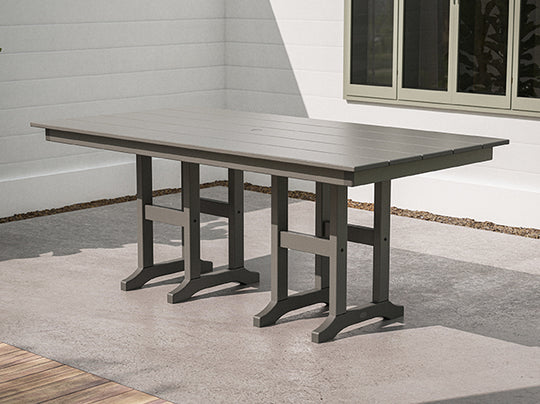
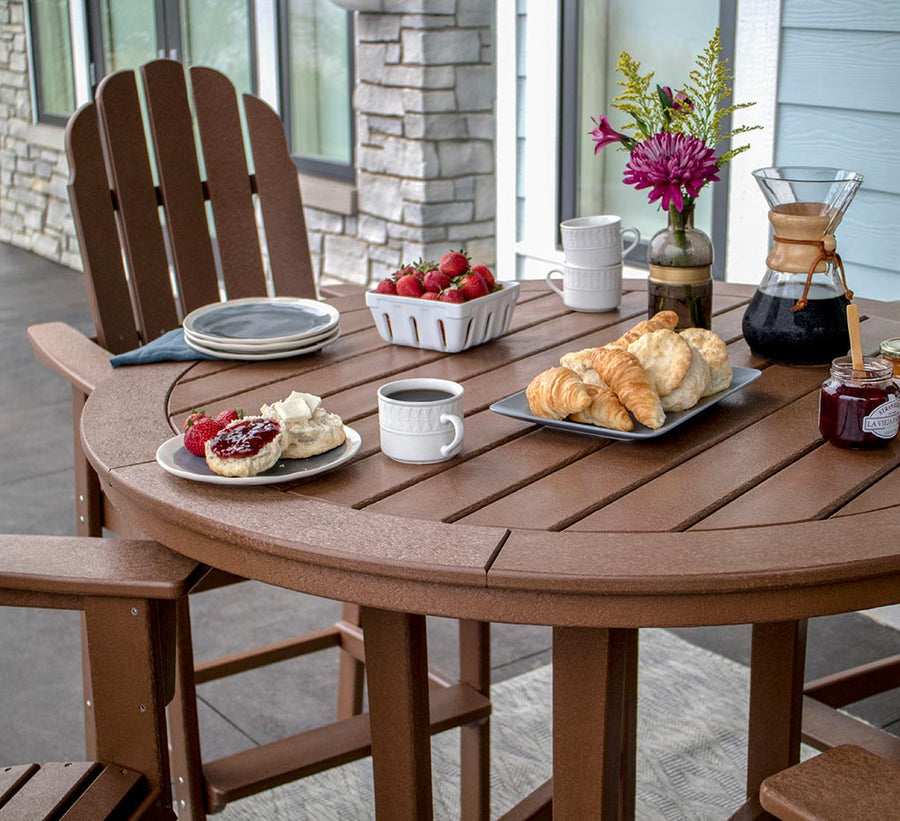
HDPE lumber can be more expensive than other materials, but many homeowners believe poly lumber is worth the cost because of its durability and longevity. For many, the notion that this furniture is typically made from recycled materials also offsets the overall cost.
Pros
Won't easily fade, rot, warp, splinter, peel, or chip
Withstands moisture, humidity, wind, insects, and salty sea air
Low-maintenance and easy-to-clean
Cons
Heavier weight; moving the furniture may be challenging
Natural Wicker
Natural wicker is a beautiful lounge furniture option that's woven with plant-based materials, such as willow, rattan, bamboo, or reeds.
Pros
Lightweight and easy to move
Available in a variety of styles
Cons
Helpless against strong winds
Requires constant upkeep
Cleaning is tedious and time-consuming
Synthetic Wicker
Like its natural counterpart, synthetic wicker furniture can be woven from a range of various materials. Synthetic wicker is manufactured specifically for durability and includes nylon, HDPE, PVC, and PE materials.
Pros
Lightweight and easy to move
Resistant to moisture, humidity, salt, and insects
Easy to clean and requires little maintenance
Cons
Lightweight styles are vulnerable to wind gusts
Some styles are thin and prone to breakage
Wrought Iron
Wrought iron furniture is a popular choice for outdoor furniture thanks to its elegant, almost whimsical appearance. This material is particularly susceptible to rust, so it may require a good deal of maintenance in coastal climates.
Pros
Wind resistant due to its heft
Low-maintenance and easy-to-clean
Treated options resist moisture, humidity, and salt corrosion
Pest resistant
Cons
May get too hot or cold to use in high or low temperatures
Heavy and challenging to move
Prone to rusting
Injection Molded Plastic
The most inexpensive option for outdoor furniture material, injection-molded plastic is a common choice for those who own rentals or primary homes at the beach.
Pros
Easy to clean
Resistant to moisture, humidity, rust, and salt corrosion
Affordable and easily accessible
Cons
Vulnerable to strong winds
Quickly fades under direct sunlight
Warps and cracks in extreme temperatures
FAQs
What's the best beach furniture?
Oceanside environments are beautiful yet harsh, so you want durable lounge and dining sets that can handle some rough-and-tumble weather. The best beach furniture resists coastal elements such as salt, humidity, moisture, wind, and sand. Pieces should have some weight to them but not be so heavy that they're tough to move around your outdoor space. HDPE, aluminum, resin wicker, and teak furniture are great options to explore.
What is coastal-style furniture?
Coastal-style furniture often refers to beachy designs colored with sandy neutrals and blue, green, and grey hues. Kicking back in coastal furniture should make you feel like you're on vacation—it's casual, laid-back, and infused with calming shoreside vibes. It can also refer to nautical-themed pieces.
How do I protect my beach furniture?
You can protect your beach furniture by storing it under a covered porch or in a shed when the weather gets bad. Alternatively, weatherproof covers can be used to shield each piece from the elements. Keeping furniture in a shady spot and regularly cleaning off salt, sand, and dirt also helps it last longer.
How do you protect outdoor furniture from water?
Place your patio furniture far enough from the water's edge so waves and rising tides won't reach them. If your furniture gets wet, dry it off with a towel right away. Situate the furniture in a covered spot to keep it out of the rain, and store it in a dry place when not in use. For added protection, apply a sealant to the surfaces to keep out moisture and humidity.








 POLYWOOD
 Categories


