













1. Home
  2. Transitional Dining Room Sets

Transitional Dining Room Sets

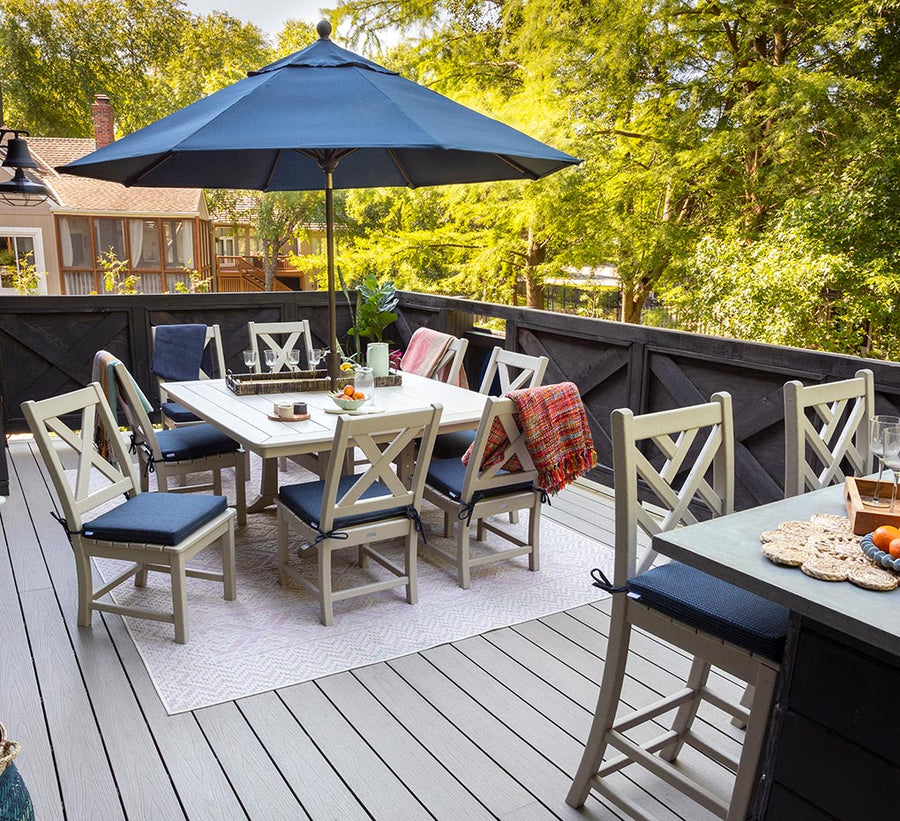
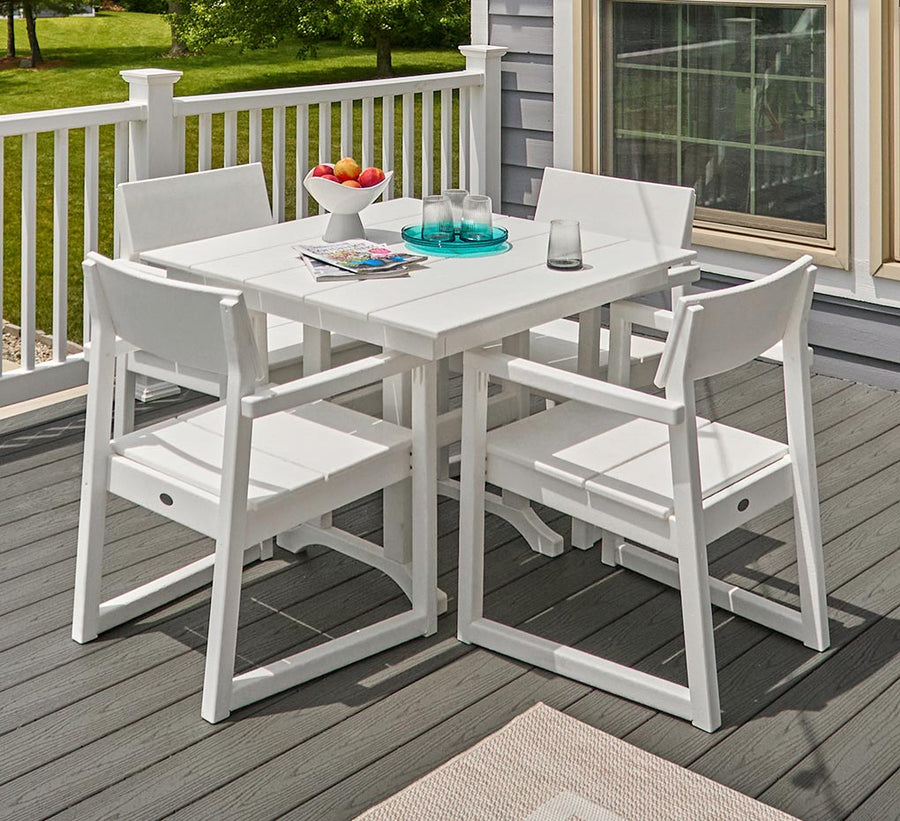
Find transitional dining room sets that blend traditional character with contemporary simplicity. Explore coordinated dining tables and chairs for a cohesive dining area, keeping your room’s dimensions, seating needs, and existing decor in mind as you compare styles.

Read More

Filters

Applied filters

Transitional Dining Room Sets

Transitional dining room sets bring the warmth of traditional design together with the clean lines of contemporary furniture, creating a balanced look that feels welcoming without being overly formal. This style emphasizes comfortable proportions, restrained detailing, and a coordinated relationship between the dining table and its seating. Rather than relying on elaborate decoration or sharply modern silhouettes, transitional design offers a middle ground that works with a wide range of interiors. It is especially appealing for households that want a dining space to feel polished enough for special occasions and relaxed enough for everyday meals. The overall character can lean more classic or more contemporary depending on the furniture’s shape, finish, and surrounding decor, while still maintaining a cohesive appearance. For shoppers furnishing a new home, refreshing a familiar room, or bringing together different decorating preferences, a transitional dining set provides a timeless foundation. Its understated design leaves room for personal touches, from a favorite centerpiece to changing table linens, without requiring the entire room to follow one narrowly defined style.

Choosing among transitional dining room sets starts with finding the right balance of seating capacity, table proportions, and room to move comfortably. A set should suit the way the dining area is used most often, whether that means quiet meals for two, regular family dinners, or gatherings with friends. The footprint of the table matters, but so does the space needed to pull out chairs, walk behind seated guests, and reach nearby storage. Table shape also influences how a room feels: curved outlines can soften a compact space, while longer profiles can complement the proportions of a larger dining area. Chair dimensions and back profiles deserve equal attention, particularly when comfort during extended meals is a priority. In an open-plan home, the visual weight of the set can help connect the dining area with adjoining spaces without overwhelming them. Looking at these practical details alongside the overall design helps shoppers choose furniture that feels intentional in the room and comfortable in daily use.

A well-chosen transitional dining set should offer more than a coordinated appearance; it should support the routines that make a dining room part of everyday life. Shared meals, weekend breakfasts, homework, and occasional entertaining all place different demands on the same table and chairs. Construction, stability, care requirements, and the suitability of the finish for regular use are meaningful considerations when comparing options. For busy households, straightforward upkeep can be just as important as decorative detail, while shoppers planning to keep their furniture for years may place greater value on enduring proportions and a finish that works with evolving decor. A cohesive set can also simplify furnishing decisions by establishing a consistent scale and style across the table and seating. That foundation makes it easier to choose lighting, rugs, and storage pieces that complement the room rather than compete with it. With an emphasis on dependable function and lasting visual appeal, transitional dining room sets suit shoppers who want a welcoming place to gather and a practical investment in the way they live at home.

Read More

Frequently asked questions

What is a transitional dining room set?

A transitional dining room set blends classic design details with clean, contemporary lines. This balanced style creates an inviting dining space without feeling overly formal or stark.

How does transitional dining furniture differ from traditional furniture?

Traditional dining furniture often emphasizes ornate details and more elaborate silhouettes. Transitional dining furniture takes a simpler approach, pairing familiar shapes with understated details for a timeless look.

What colors complement a transitional dining room set?

Warm whites, soft grays, beige, and muted earth tones create a natural backdrop for transitional dining furniture. Add contrast through artwork, table linens, or decorative accents to give the room a personal touch.

What chair styles work with a transitional dining table?

Chairs with clean lines, gently curved backs, or understated classic details complement a transitional dining table. Matching chairs create a cohesive look, while mixed styles can feel equally unified when they share a color or design detail.

How do you decorate a transitional dining table?

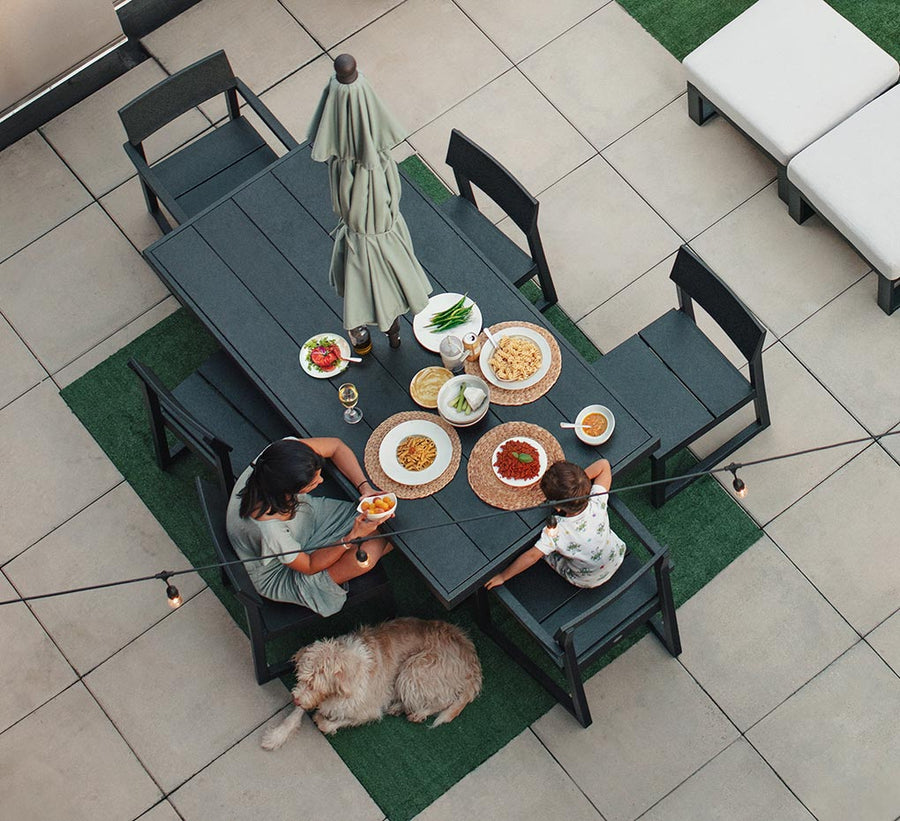
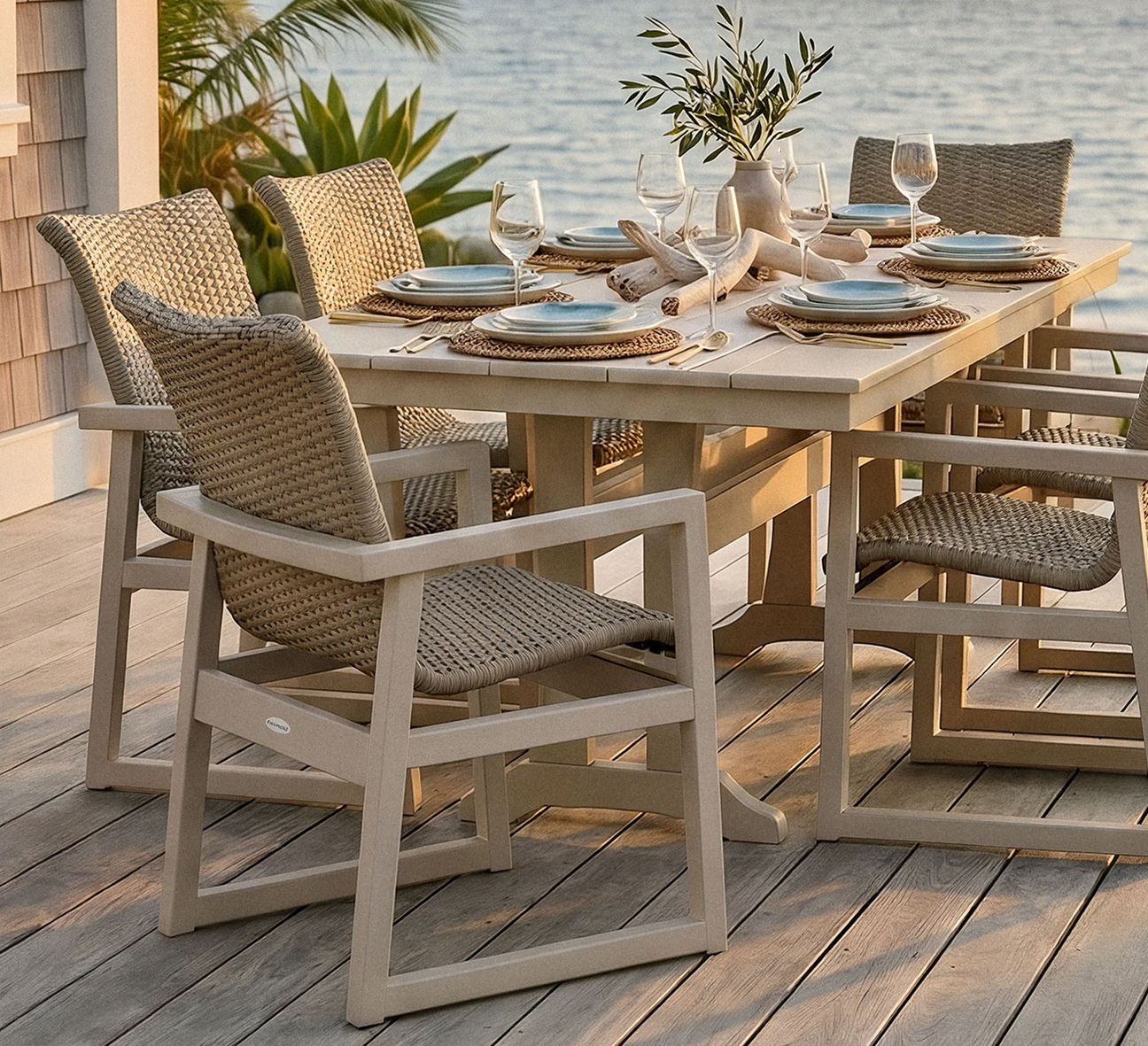
Keep the tabletop inviting with simple linens, understated dinnerware, and a centerpiece such as greenery or a decorative bowl. Combine classic and contemporary accents, leaving the overall arrangement uncluttered so the furniture remains a focal point.