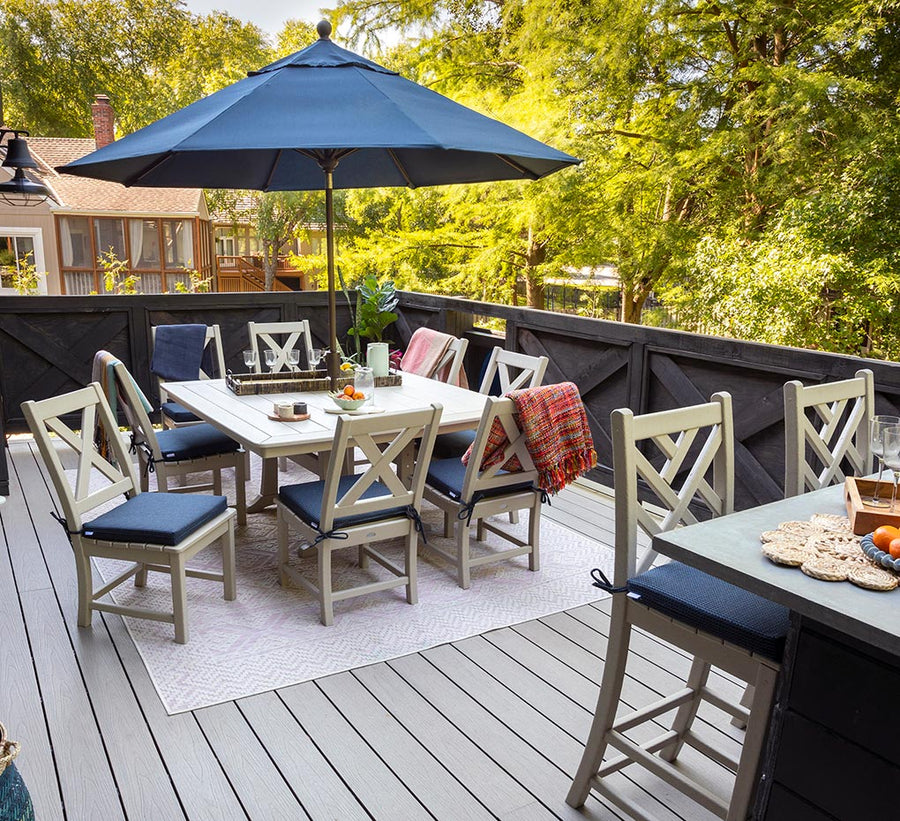
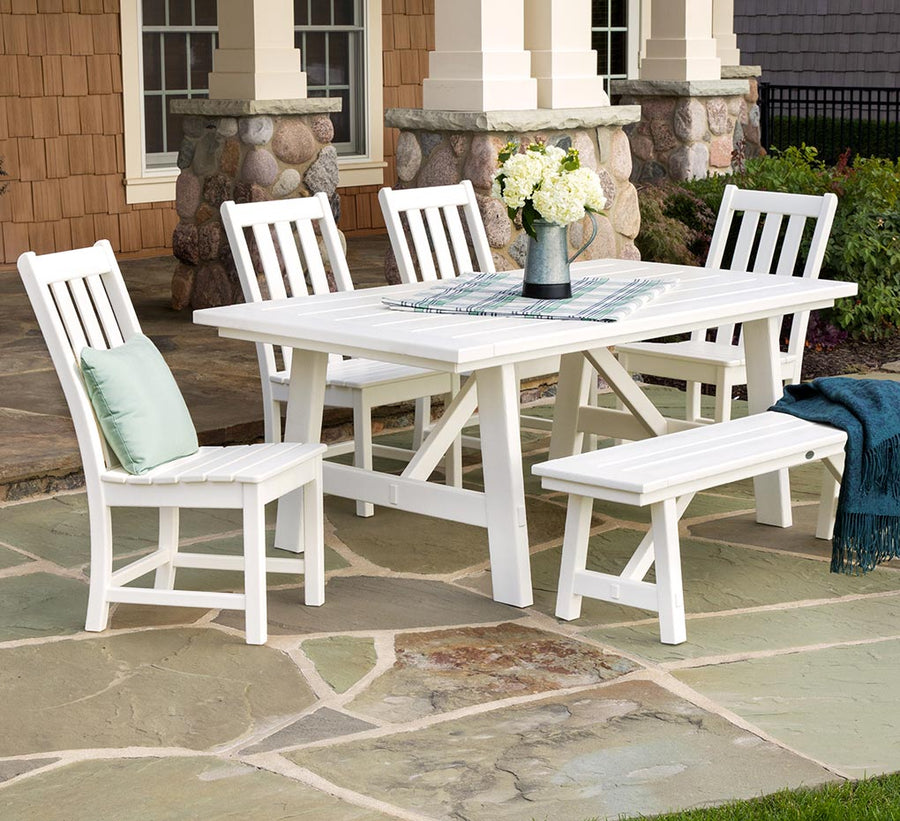
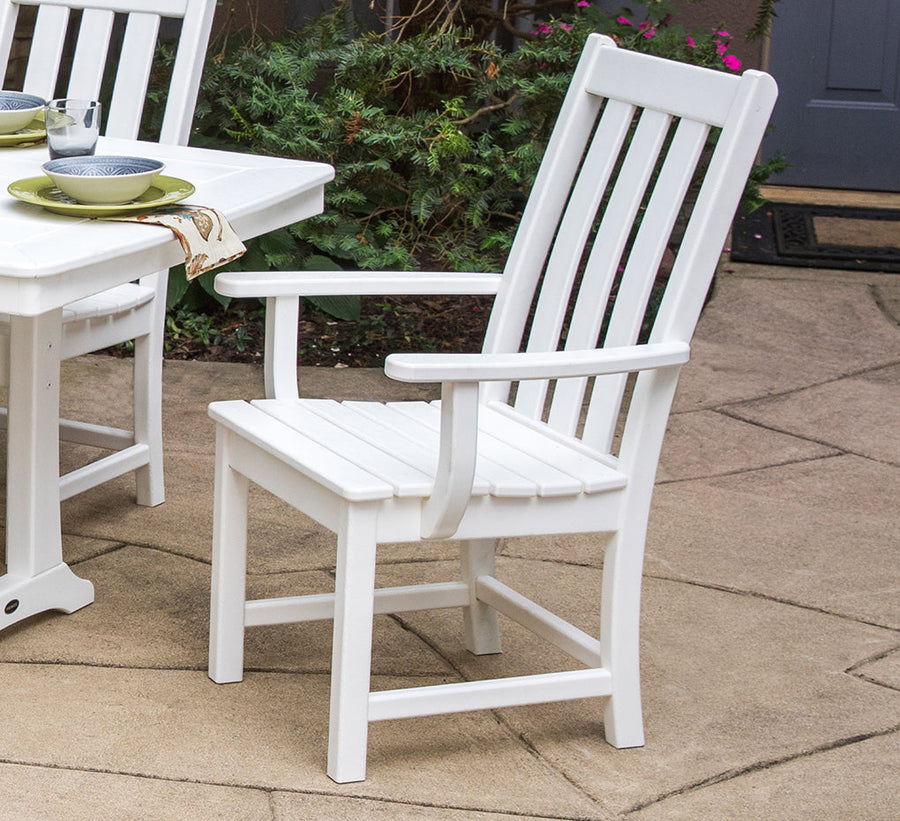
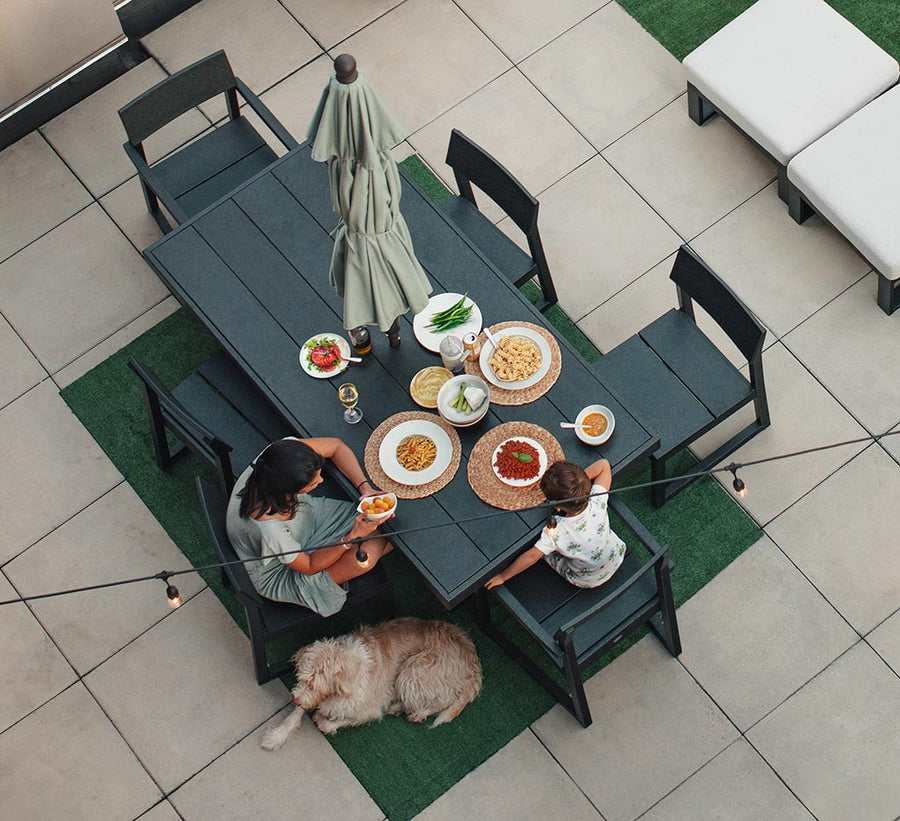
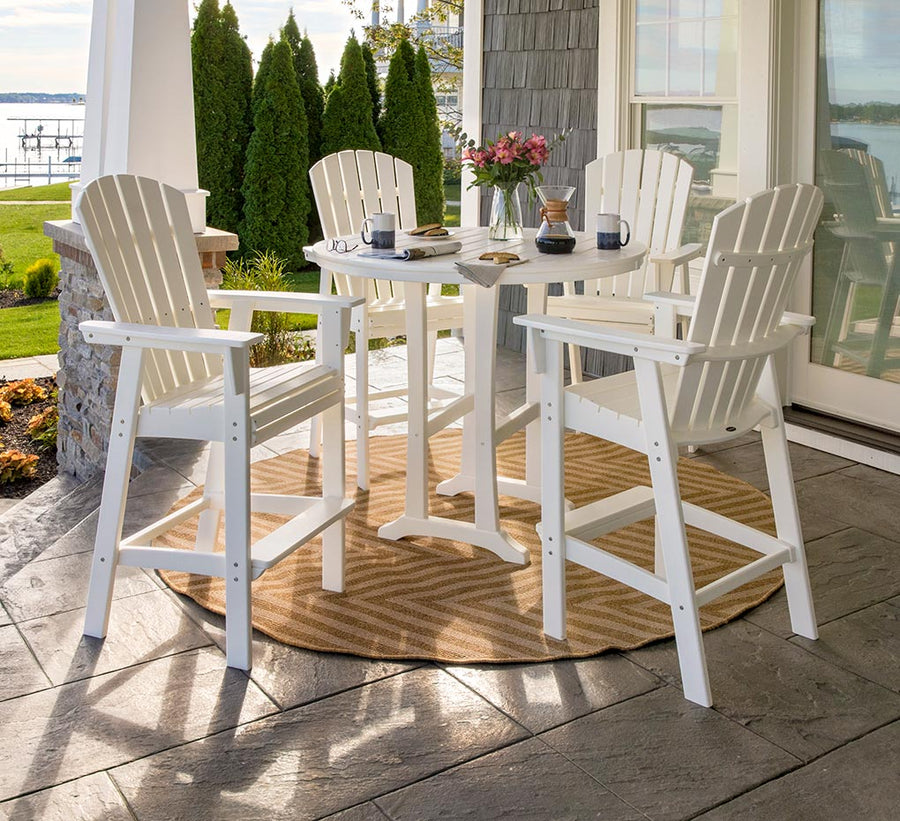
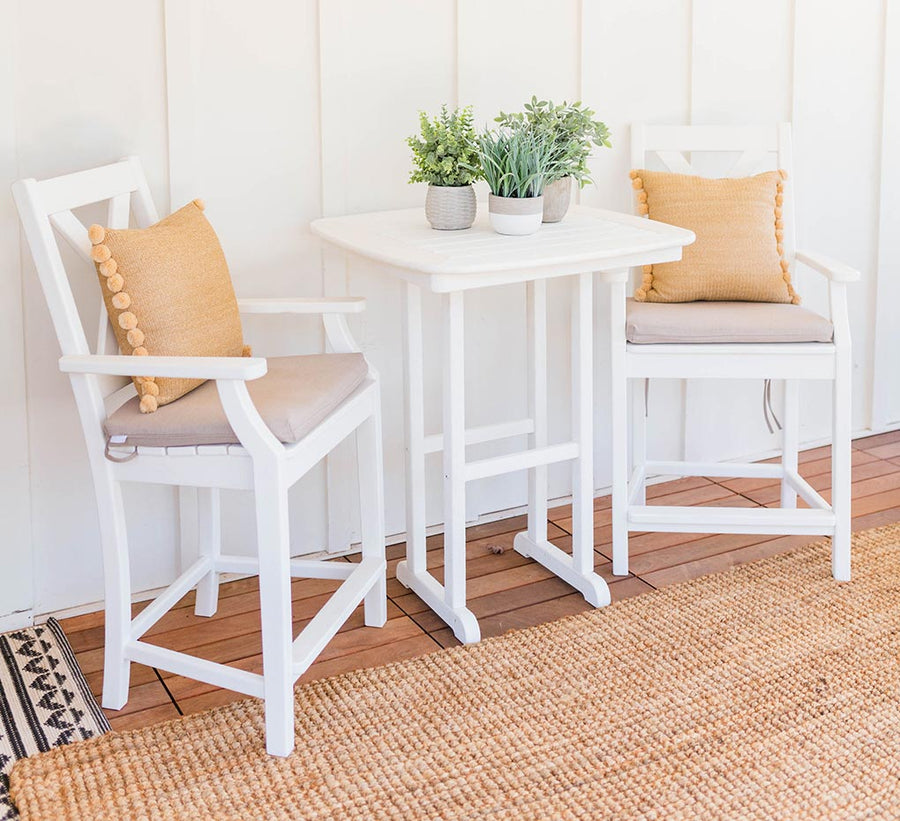
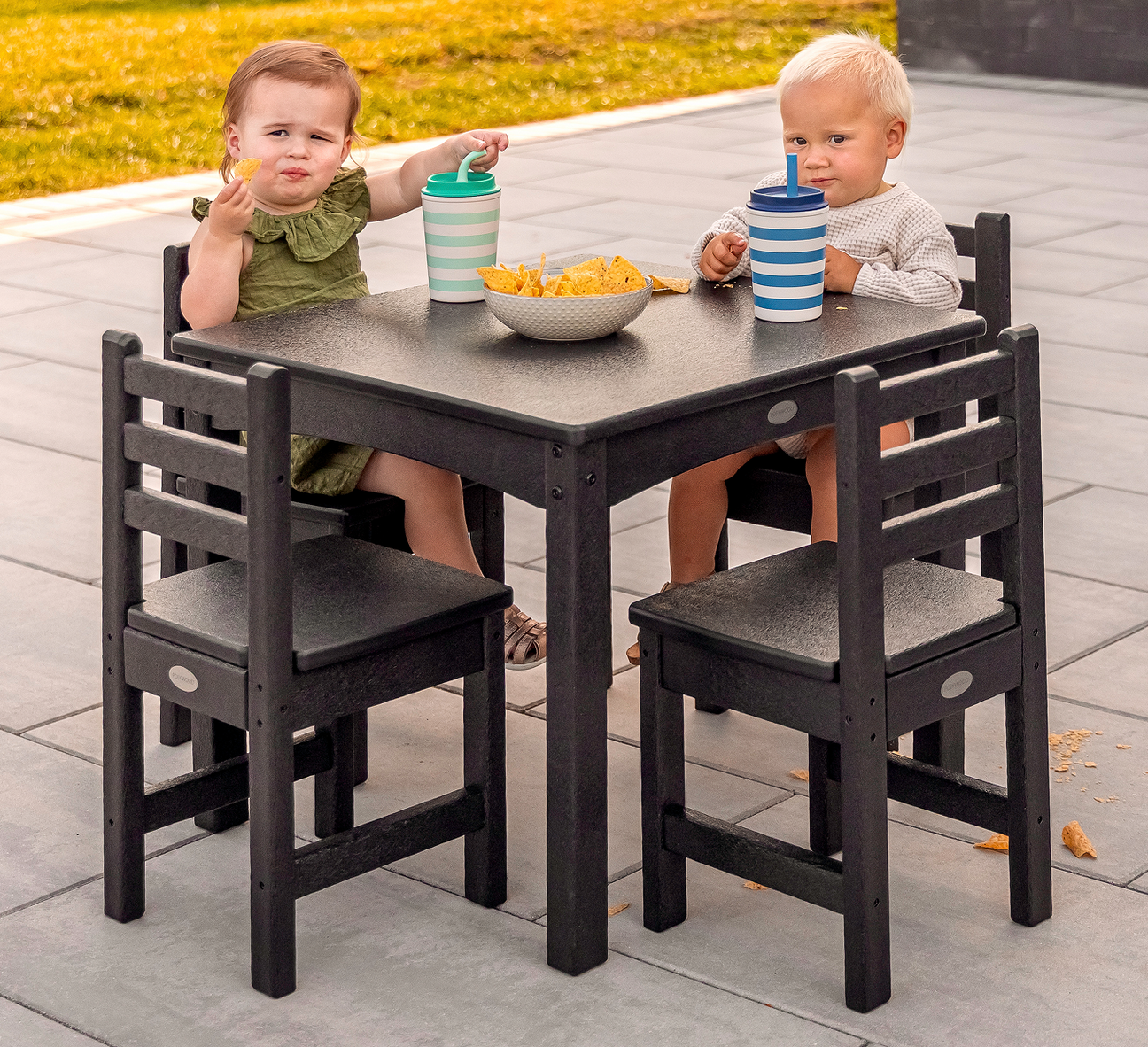
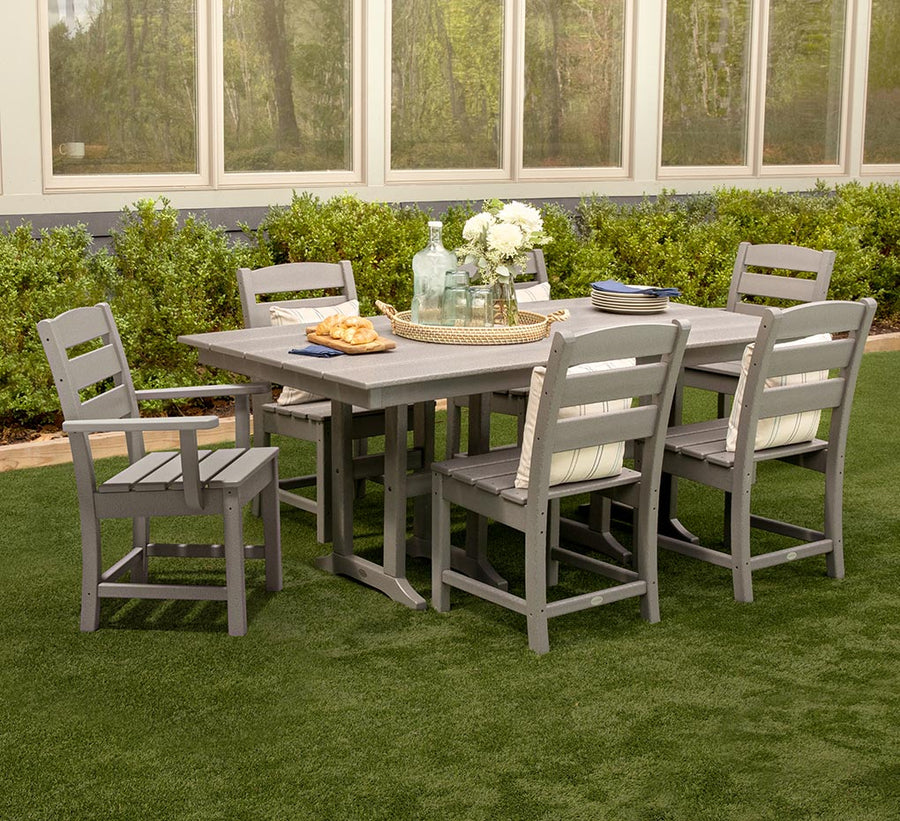
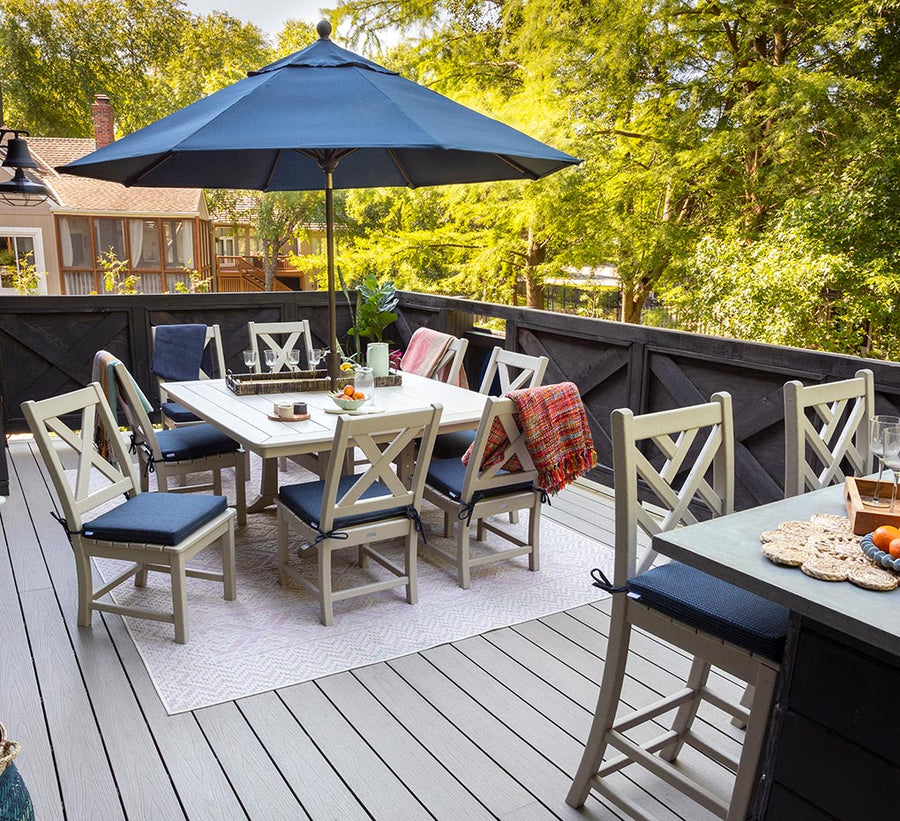
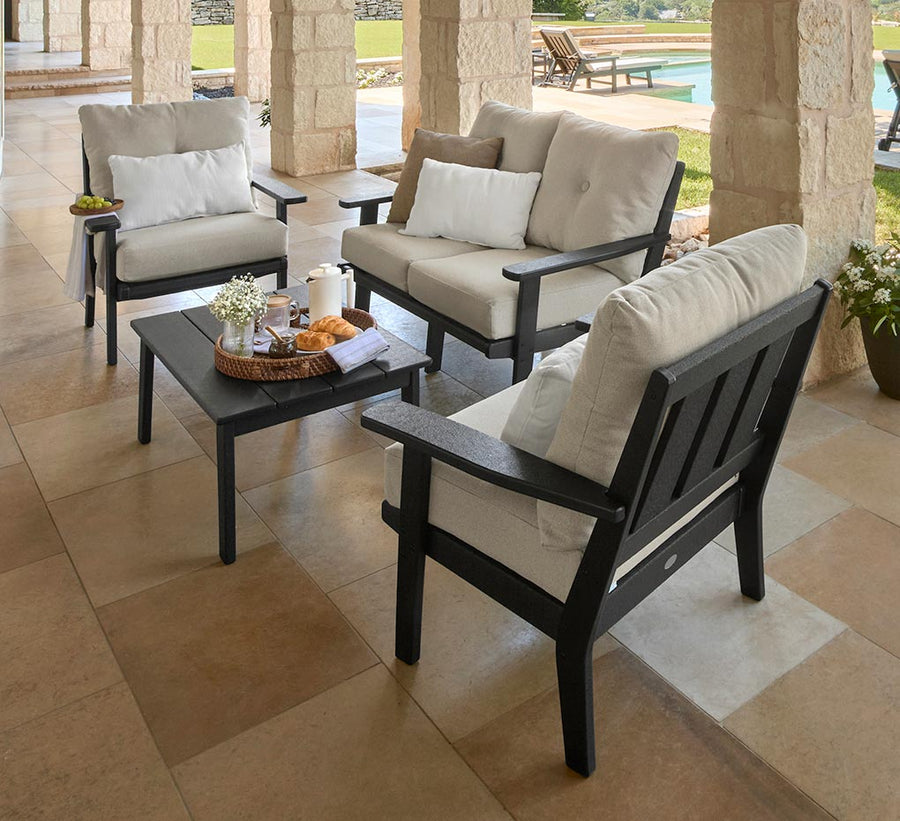
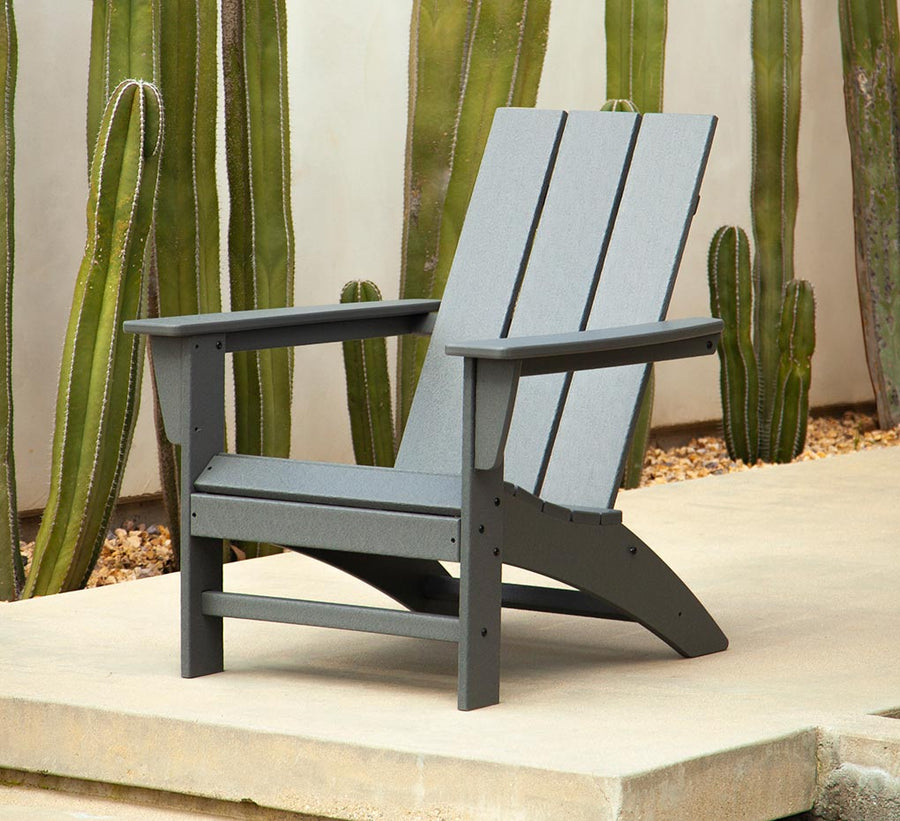
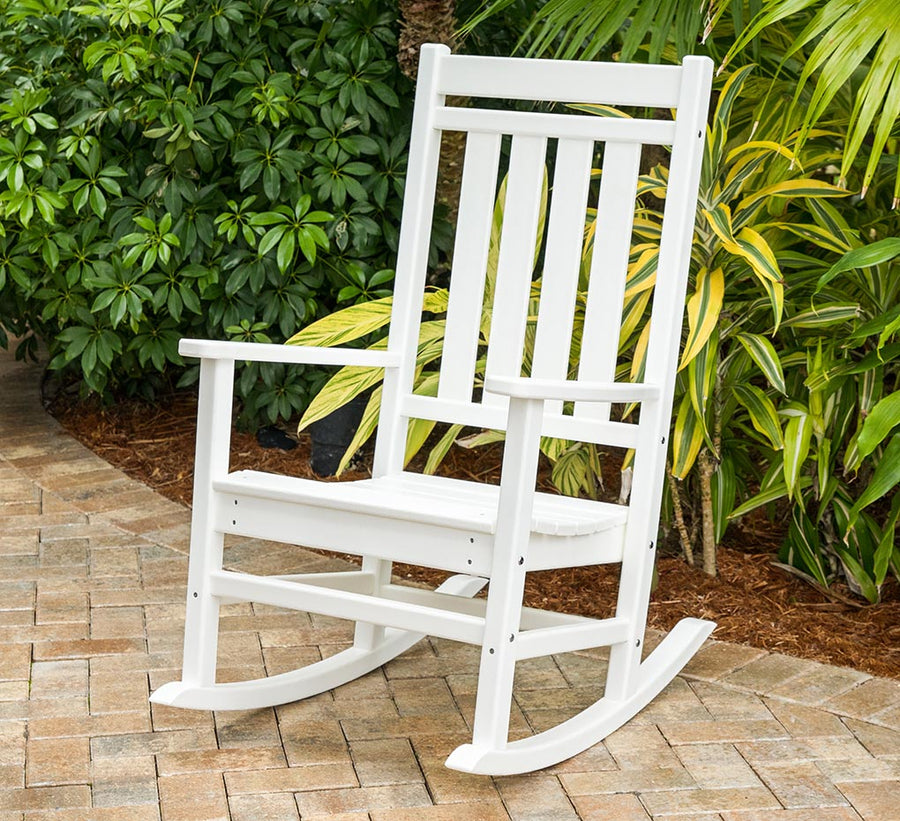

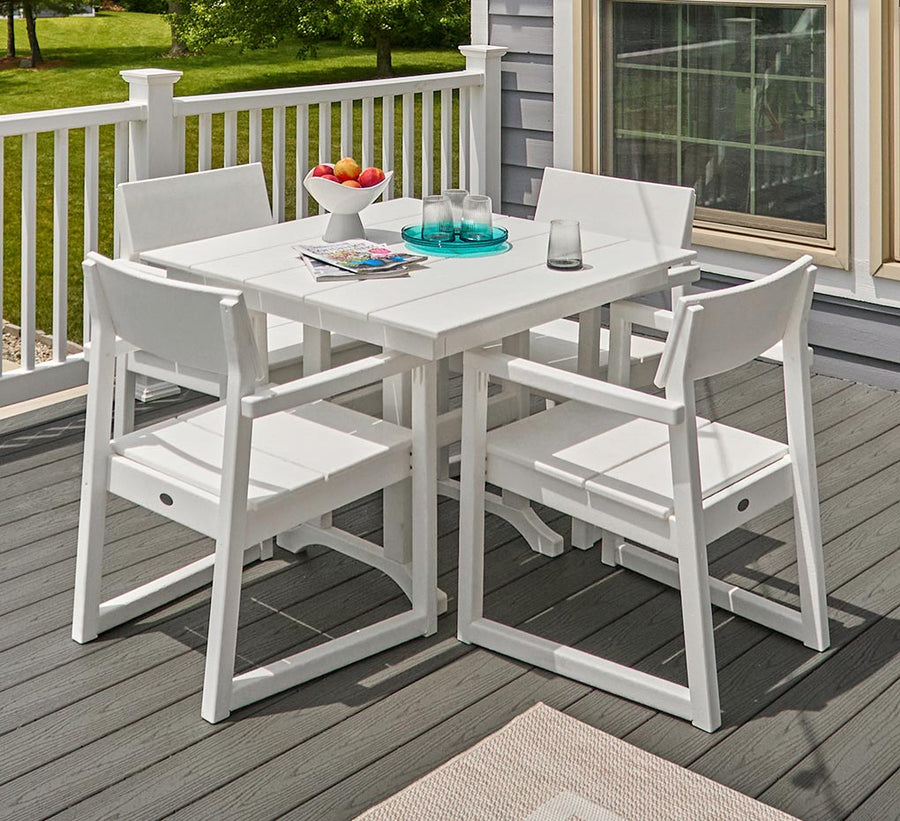



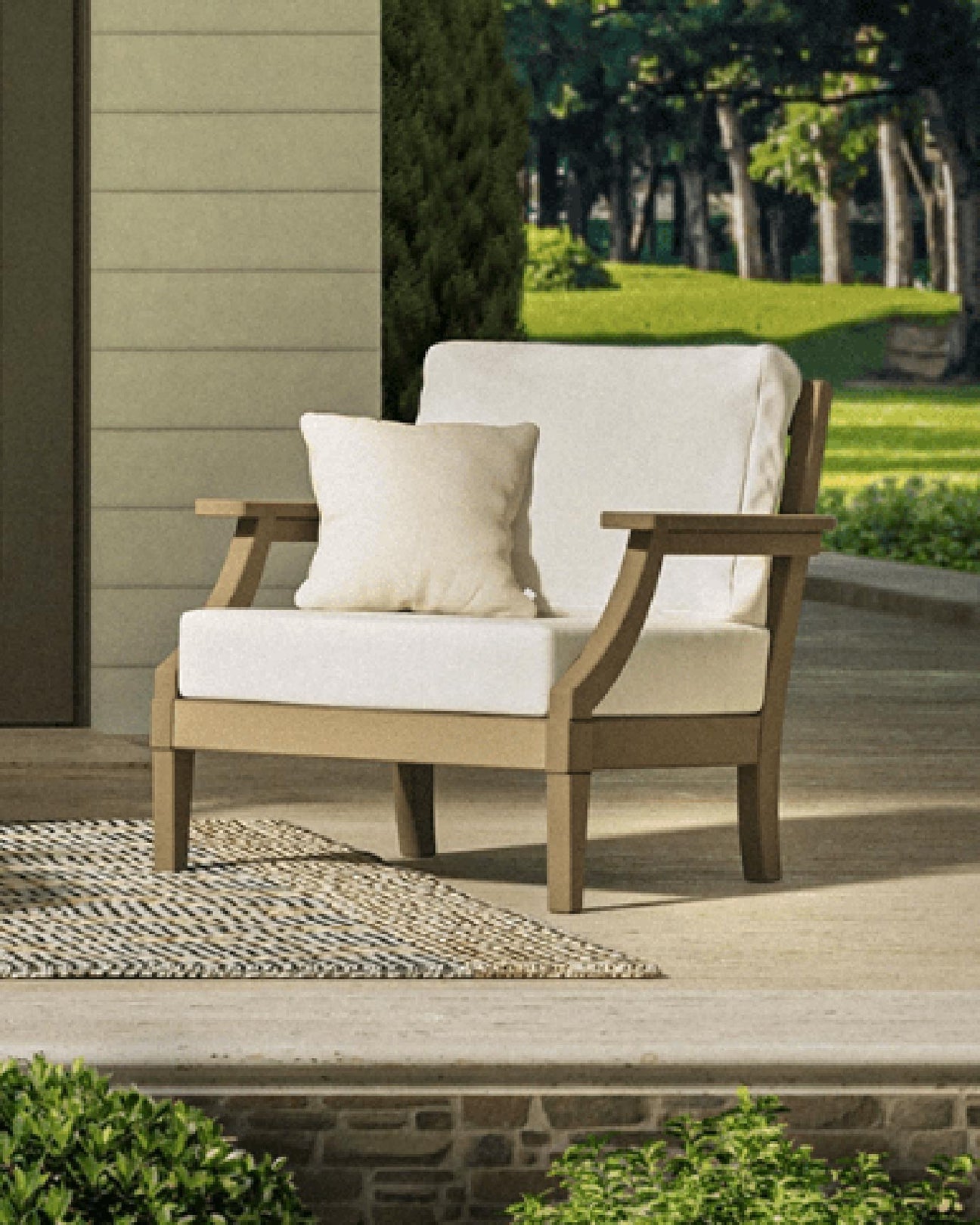

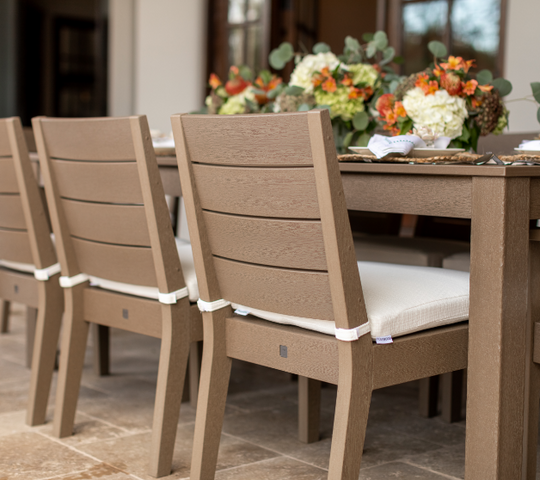
People chat at a tan PW Designer Series Estate 11 Piece A Frame Table Dining Set on a patio by a blue house with large windows.

Square vs. Round vs. Rectangle Dining Table Shapes: Meet Your Alfresco Match

Written by: Caitlin Evans

|

Published on

|

Last updated on

|

Time to read 7 min

Patio dining tables are pivotal to creating the perfect mealtime spaces. They’re foundational pieces that you build your aesthetic around.

The most common table shapes are round, square, and rectangular, and each offers its own set of benefits. If you’re not sure which style is best for your needs, explore our guide to learn about all you need to know about these outdoor dining essentials so you can shop with confidence.

Quick Overview: Square vs. Round vs. Rectangle Dining Tables


Round Table


Square Table


Rectangle Table


Seating

2–6
2–8
6–10+


Best Uses


Cozy, intimate meals; families with young children

Family dinners, game nights

Entertaining big groups


Ideal Spaces


Curved or square areas, small porches, multiuse spaces

Balanced rooms, large open-concept layouts, small balconies

Square or rectangle rooms, medium or large decks and patios


Vibe


Inviting and informal

Casual and balanced

Formal and traditional

Round Outdoor Dining Tables

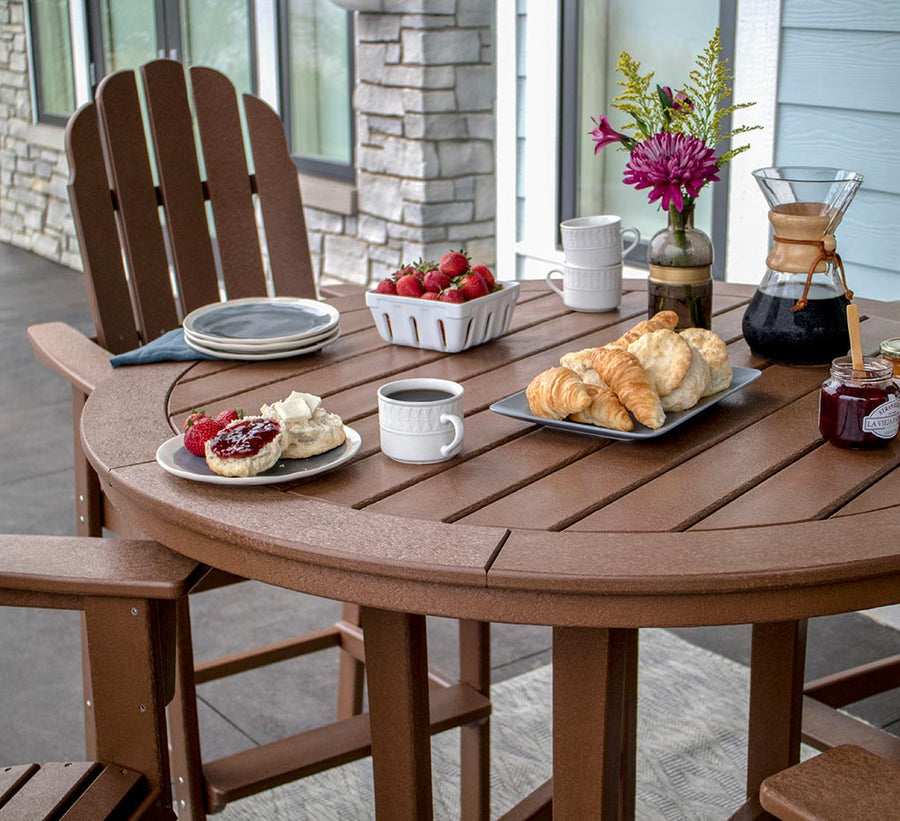
Circular tables are quite versatile, fitting snugly on small porches or large rooftop terraces. Offering a more open feel, their lack of straight edges makes it easy to skirt around and offers space to pull up another chair. Plus, no sharp corners is a preference for parents of young children.

A round outdoor dining set makes conversations effortless, allowing everyone to see and talk to each other without issue.

However, round tables have some drawbacks; they cannot be pushed flush against walls or corners, and larger models are often too wide for narrow areas.

Pros

  • Encourages conversation (no “head” of the table)
  • More wiggle room to squeeze in extra seating
  • No sharp corners—ideal for small children and easier to move around

Cons

  • Won’t fit well against walls or in corners
  • Larger designs aren’t ideal for narrow spaces
A woman places a vase of flowers on a white POLYWOOD Savannah 5 Piece Round Farmhouse Dining Set on a stone patio.

Square Outdoor Dining Tables

Square patio tables are unmatched in versatility. They fit spaces of all kinds, from small apartment balconies to spacious open-concept layouts. Everyone seated around the table feels included in the conversation thanks to the equidistant sides, and the design tucks neatly into corners or against walls to make room for post-meal activities. Their straight edges even offer the option for larger setups—push two or three square tables together to accommodate guests during big parties.

These quadrangular designs are at a disadvantage when it comes to fitting extra seats—the corners make it a challenge. Moreover, like round outdoor dining tables, large square designs are too broad for slim spaces.

Pros

  • Fits in corners and against walls 
  • Good for smaller spaces 
  • Equal seating for all diners

Cons

  • Does not allow much room to add extra seats 
  • Larger designs aren’t ideal for narrow spaces
A tan POLYWOOD Chinoiserie 9 Piece Square Farmhouse Dining Set with Trestle Legs holds glasses of orange juice, and trays of biscuits, fruit, and jam.

Rectangle Patio Tables

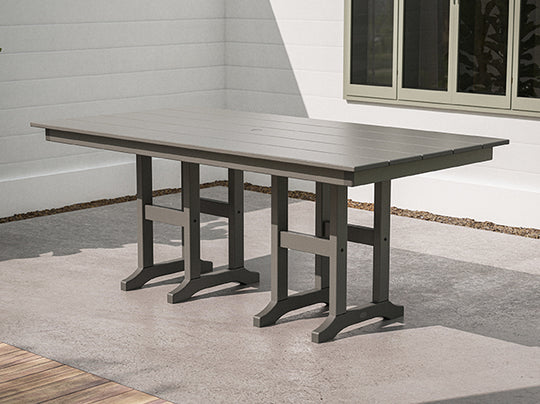
Rectangular tables are best suited for medium-sized spaces or larger. Their shape can accommodate more people and seating types like benches, which is ideal if you have many small kids to seat or need room to squeeze in an extra guest.

These designs have another advantage over larger square or circular styles because they can fit narrower areas. For example, an eight-person 38-by-96-inch rectangle outdoor table may be longer than an eight-seat 59-inch square table, but its width is nearly two feet slimmer.

Pros

  • Ideal for larger gatherings and buffet-style meals 
  • Fits well in long outdoor spaces 
  • Accommodates more seating options, like benches

Cons

  • Can create distances that hinder conversation 
  • Takes up more space compared to other shapes 
  • Not ideal for small, cozy spaces
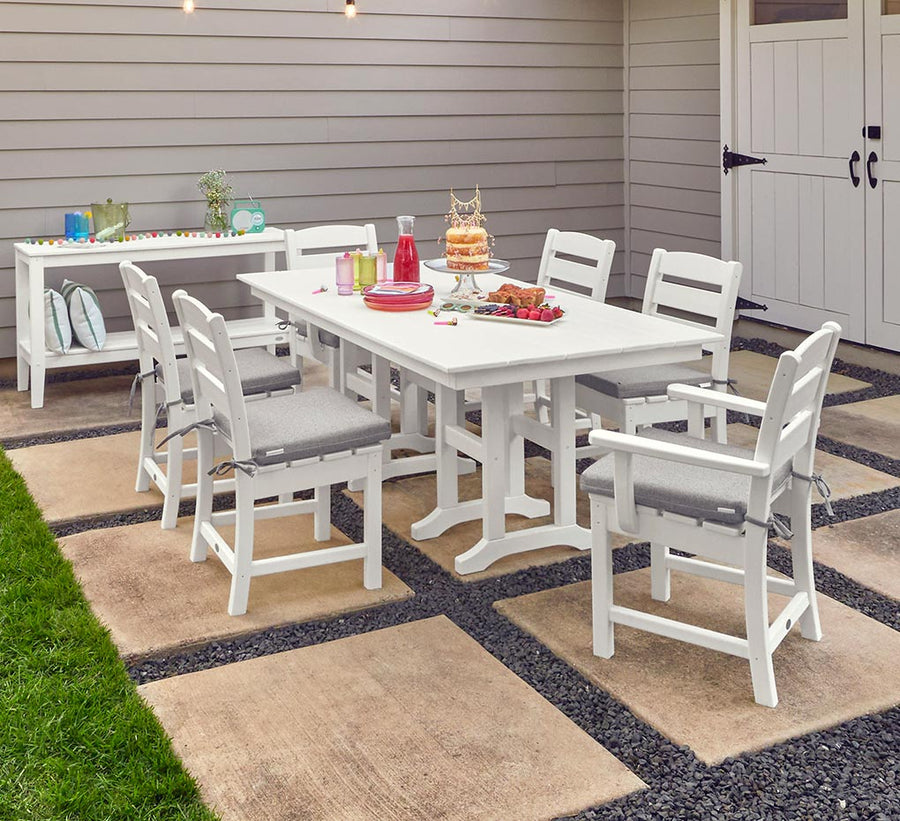
People dine at a brown POLYWOOD Lakeside 7 Piece Farmhouse Dining Set with salad, bread, and wine in a sunny patio setting.

Things to Consider When Selecting Table Shapes

  • Available space: Measure your outdoor area to ensure you have enough room for a dining table plus space to walk around it—at least three feet of clearance on all sides is recommended to give guests room to walk by or pull out their chairs.
  • Number of people you typically host: If you have a large family or friend group that stops by often, opt for a table that can seat everyone.
  • Desired dining experience (casual, formal, etc.): Rectangle dining tables lean more formal, while round and square models offer more casual vibes.
  • Intended use: If you host dinner parties and weekend barbecues for extended family, large tables will provide the space needed to seat loved ones and serve lavish meals. If you simply want a space to be alone with your journal and morning coffee, a small bistro table is just what you need.
  • Existing decor and home architecture: Select table shapes that match your home’s current layout. Round tables suit circular and irregularly shaped patios, while square and rectangular designs work best on decks featuring similar right angles.
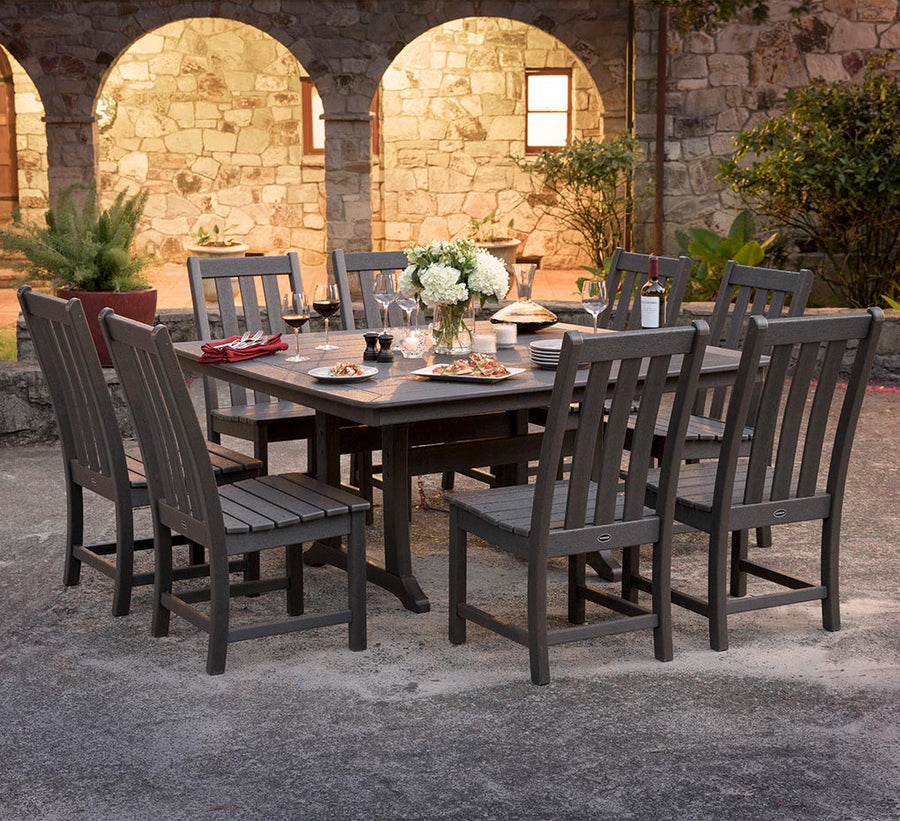
A grey POLYWOOD Vineyard 5 Piece Round Dining Set with Trestle Legs holds wine, flowers, and a salad on a stone patio by a stone house.

Common Table Sizes

Square Tables

Rectangle Tables

Round Tables

  • 30”–31” wide (seats 2)
  • 36”–48” wide (seats 4)
  • 59”+ (seats 8)
  • 64”–75” long (seats 6)
  • 84”–97” long (seats 8)
  • 120”+ (seats 10)
  • 24”–30” diameter (seats 2)
  • 36”–48” diameter (seats 4)
  • 60”+ diameter (seats 6)

Best Table Shapes Based on Space Size, Setting Type, and Situation

Size

  • Small: Narrow balconies and cozy apartment patios need furniture that adds comfort without cluttering the space. We suggest a square four-person dining set that can be pushed against the wall, and the extra chairs can be used for additional seating elsewhere.
  • Medium: With more room to spare, it’s safe to use table shapes of all kinds on mid-sized patios. Gather the gals for brunch at a circle or rectangle dining table with comfortable chairs, or extend the serving space of your outdoor kitchen counters with a same-height square patio table. 
  • Large: A sizable round patio table and chairs won’t feel swallowed up on spacious decks or patios, but trimmer designs might. A cluster of small square tables solves this problem and can be separated whenever you want to use them individually. 
  • Extra-large: Areas this generous can be divided into multiple zones. You can turn one portion into a meal space with a seven-piece dining set at the center. However, if you’re thinking bigger, line a few outdoor rectangular tables end to end to create a grand banquet setup. We fully support your alfresco aspirations.
Two brown POLYWOOD EDGE rectangle dining tables filled with place settings, food platters, and decor sit end to end with EDGE dining chairs.

Setting

  • Front porch: Opt for a little square table to keep things cozy while leaving walking space open—it’s the ideal space for morning coffee with neighbors. 
  • Garden patio: Anchor your space with a rectangle outdoor table and contrast the curvy lines of vining plants and flowers with its linear design.
  • Spacious deck: Select a large circle or rectangle dining table that fosters connection and conversation and looks balanced against the expansive space.
  • Balcony: A round bistro table maintains flow in tight spaces and is easy to pass by.
A grey POLYWOOD Modern Studio Urban Chair 3 Piece Round Bistro Dining Set sits on a balcony overlooking evergreens.

Situation

  • Outdoor office: Square is a multifunctional dining table shape. It provides stability and enough space for your laptop, notes, and a cup of coffee.
  • Reading: A round bistro table creates a relaxed and approachable aesthetic, with the right amount of room to hold a stack of books and a reading lamp. 
  • Game night: A square table allows everyone to participate equally, making it the ideal shape for a hand of cards or a few rounds of Scrabble. 
  • Dinner party: A rectangular table is perfect for upscale gatherings. It comfortably seats more guests and provides space for platters and centerpieces in the middle.
People sit at a black PW Designer Series Elevate 9 piece A Frame Dining Set with food platters and drinks on a large patio.

Final Thoughts on Square vs. Round vs. Rectangle Dining Tables

The right table will enhance your outdoor look and simplify entertaining. Which shape you choose will ultimately depend on your preferences and lifestyle needs.

Shop POLYWOOD outdoor dining tables to find the perfect fit for your home. Explore our variety of shapes and sizes designed to enhance any alfresco experience.

FAQs

What shape dining table is best for a small space?

A round or square outdoor dining table is best for small spaces. Both are available in smaller sizes that seat two or four comfortably. Plus, the shapes are cozy and inclusive, allowing guests to sit at equal distances from each other.

What are the disadvantages of a round dining table?

round outdoor table has curved edges, so it can’t sit flush against walls or corners. Plus, its shape makes it impossible to add benches for extra seating. 

What is the best shape for a dining table?

The best dining table shape for you depends on three factors: the size of your outdoor space, the number of people you usually seat, and the physical type of person who sits at your table. For example, if your patio is larger and you often entertain big groups, a rectangular patio table is your best choice. A small square outdoor dining table, however, is perfect if you have a cozy balcony with limited floor space. If you have young children, a round outdoor dining table is a smart choice because it lacks sharp corners.

Explore More Table Content

Caitlin-Evans-author-bio-photo

Caitlin Evans

Cait is an Indiana-based creative content writer who has been with POLYWOOD since 2020. She’s a Purdue alumna, a proud logophile (word nerd), and an advocate of the Oxford comma. In her free time, Cait loves gardening, cooking, running, camping, and spending time with her husband and four fur children.
