While gardening in a shaded backyard requires more care and maintenance, you can create a lush landscape as beautiful as one in full sun. Use our shade gardening tips and advice to put your green thumbs to work.
Before planning a landscaping layout, familiarize yourself with the varying shade types. Then, study the shady spots in your backyard to understand what's possible when buying plants.
Light/Open Shade
This shade is bright and fairly even. It exists in gardens that are directly open to the sky but are affected by shadows from trees, structures, and walls.
Partial Shade
As the sun moves across the sky, partially shaded areas receive direct sunlight for less than half a day. Partial shade also refers to spots where the sun is blocked during the hottest part of the day.
Filtered/Dappled Shade
Filtered shade typically applies to areas of your garden situated beneath tree canopies. Some sunlight passes through the leaves, dappling the ground with its rays. These parts of your garden can generally support plants that thrive in partial or light shade.
Full/Deep Shade
Very little (if any) direct sunlight touches a fully shaded area. The floor of a gazebo or the ground beneath a grove of evergreens is in deep shade. Your foliage options will be limited in these low-light regions.
Dry/Wet Shade
This is all about soil moisture levels. Dry shade means the soil is dry, and wet shade means it's moist. Dry shade often occurs under large or established trees, where roots suck up most of the water and leave little for new plants. Riverbanks or sunken areas with poor drainage are considered wet shade.
Before heading to your favorite garden center, research your region's hardiness zone. Native flora that grows in your zone will be most successful because they have already adapted to the climate.
Read Plant Labels
Always check the labels when plant shopping. They contain watering and pruning tips, shade preferences, the correct hardiness zones, and other helpful tidbits.
Follow our advice for a shade garden that's lovely year-round.
Remember Changing Light Conditions
The direction and amount of sunlight a shady garden gets change as the growing season progresses. Keep this in mind when designing your landscaping layout, and strategically arrange foliage that needs more light in areas that will get more sun as late spring turns to early summer.
Mulch in the Spring
Spreading mulch over your garden helps with weed suppression, and doing so in the spring stops these pesky plants before they start.
Sew Plants That Shine Through the Seasons
Why limit your garden to only the warmer months? Plenty of plants offer beauty in other seasons too. Hellebores, for example, are evergreens, and many varieties offer beautiful blooms in winter. Or consider hardy begonias that flower from late summer to early fall.
Maintaining a lawn in a shaded backyard takes extra effort. Make your life easier by replacing portions of turf with these alternatives:
Shade-loving perennials. Hostas, ferns, and ornamental grasses do well in a shaded outdoor space and cover a lot of ground.
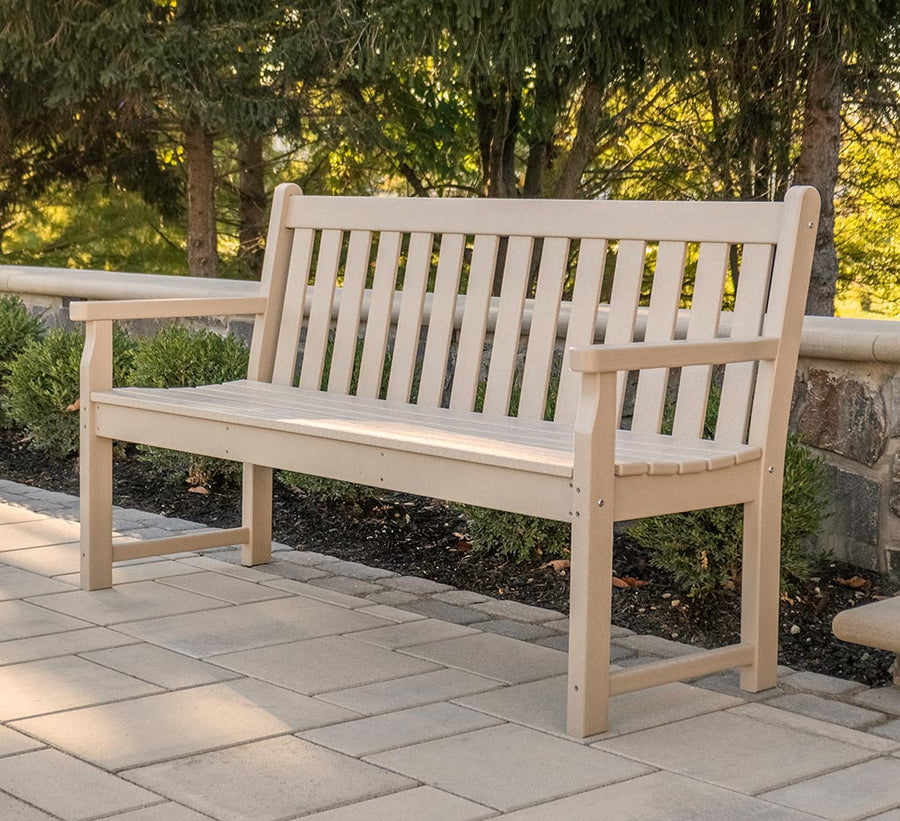
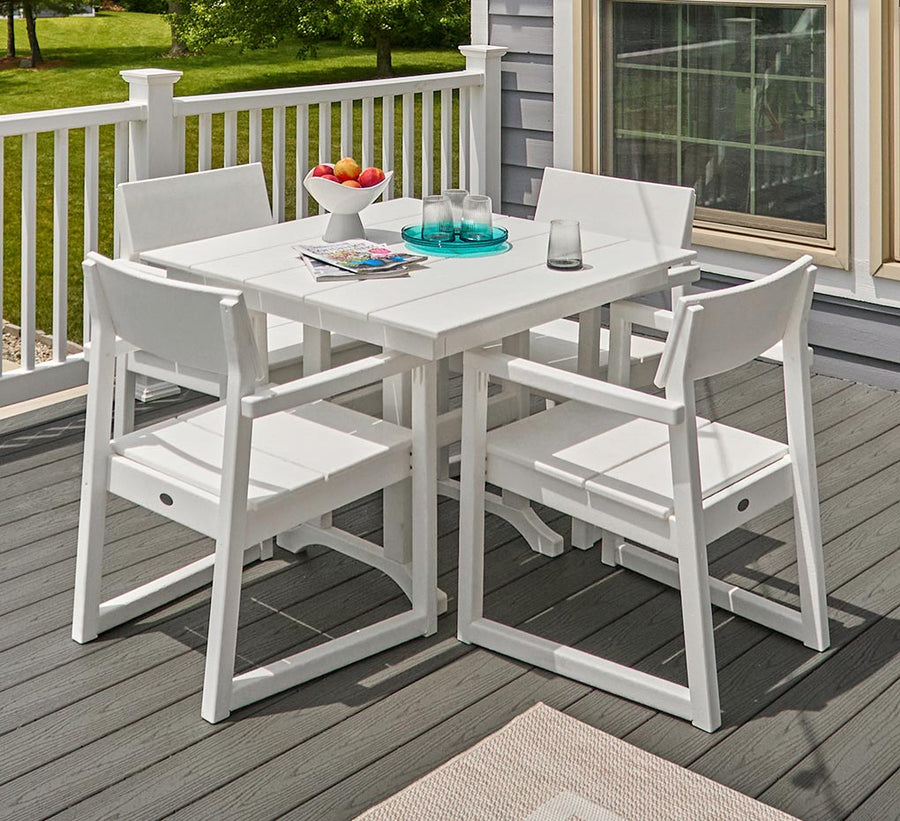
Hardscapes. Expand your small patio or lay a pretty brick path lined with benches.
Ground cover. Let low-growing flora like periwinkle or lily of the valley spread in shady areas.
Watering, Pruning, and Fertilizing Shade Plants
These plant care and maintenance tips set your shaded backyard up for success.
Low Nitrogen Fertilizer
To promote growth below and above ground, apply a slow-release fertilizer with minimal nitrogen at the beginning of planting.
Reduce the Shade
If you want more sunlight in your yard, prune the tree canopy. We recommend hiring an arborist or other landscape professional for the job—they know how to trim tall trees correctly and safely.
Container Gardens
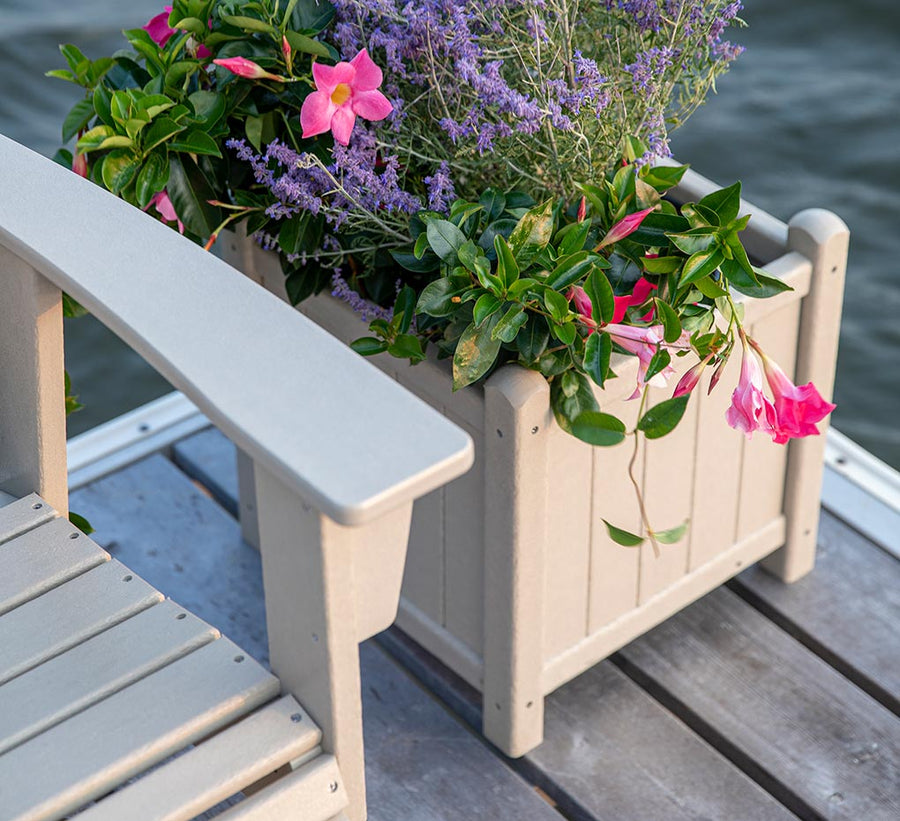
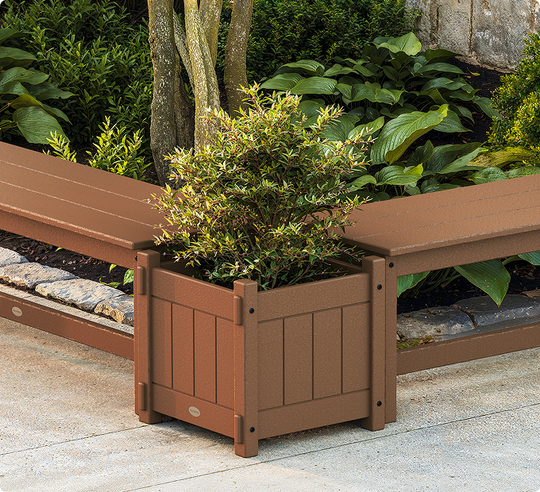
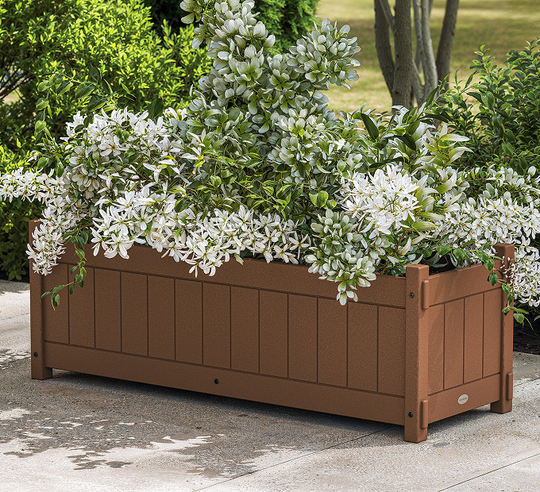
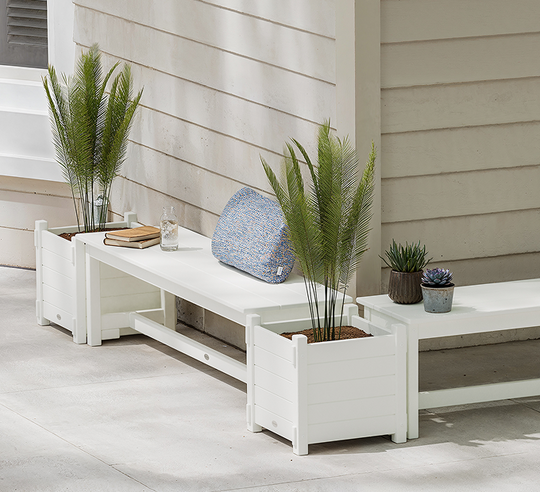
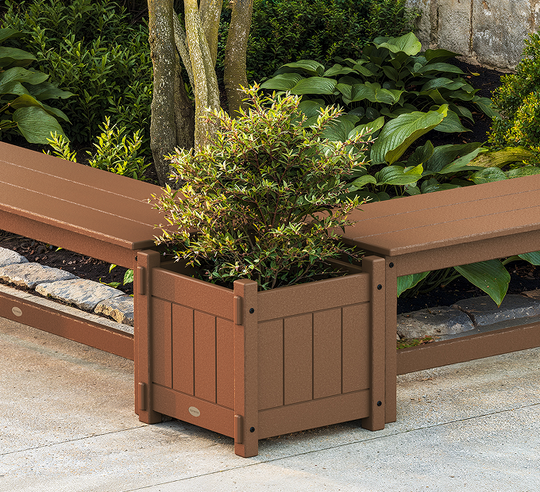
Plants should be placed in pots or containers around trees to protect the roots and leave the soil undisturbed. You can also move the planters if that environment isn't working for them.
Water Less
Water shade plants less frequently than those under the open sky. Tree canopies and overhangs block the sun, which leads to less water evaporation, so shadier spots can retain moisture more easily.
Styling Suggestions for Shaded Backyards
Design a delightful garden with these shade garden design ideas.
Change Up the Texture
Grace your garden with foliage featuring contrasting textures and colors. Filling corners and sides with a variety of flowering plants, such as coral bells, anemones, and golden meadow rue, will create a striking sensory treat.
Brighten Dark Corners
The corners of your garden will experience low light levels. Zhuzh up dark and dreary corners with leafy garden plants that pack a pigmented punch. Use these blooms to build a bright plant palette:
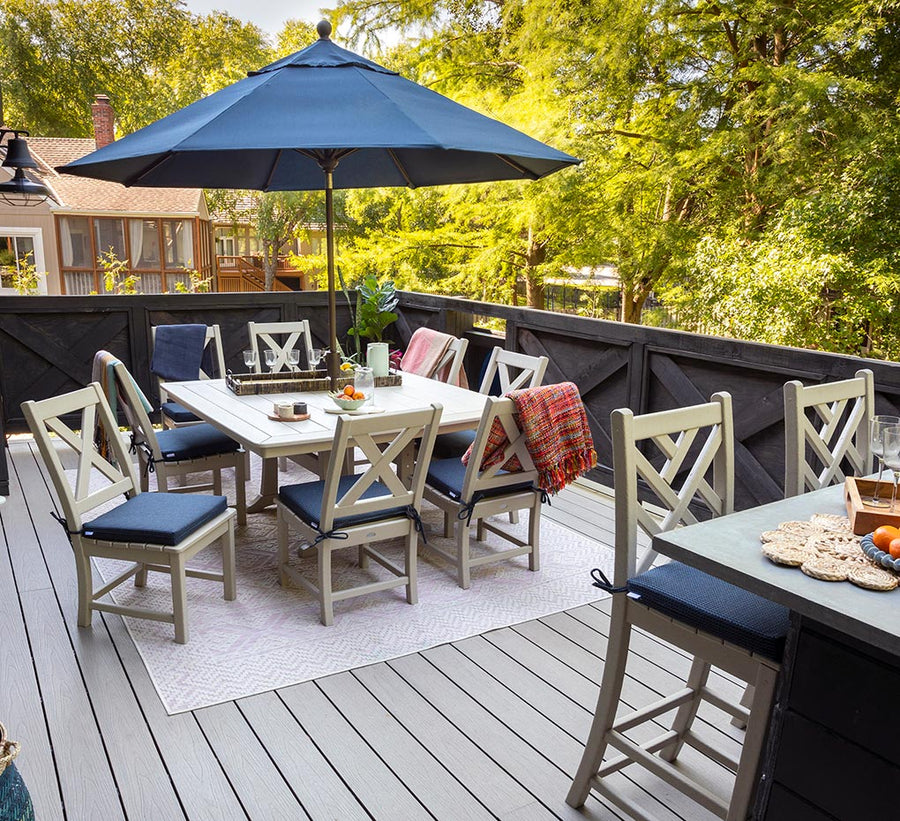
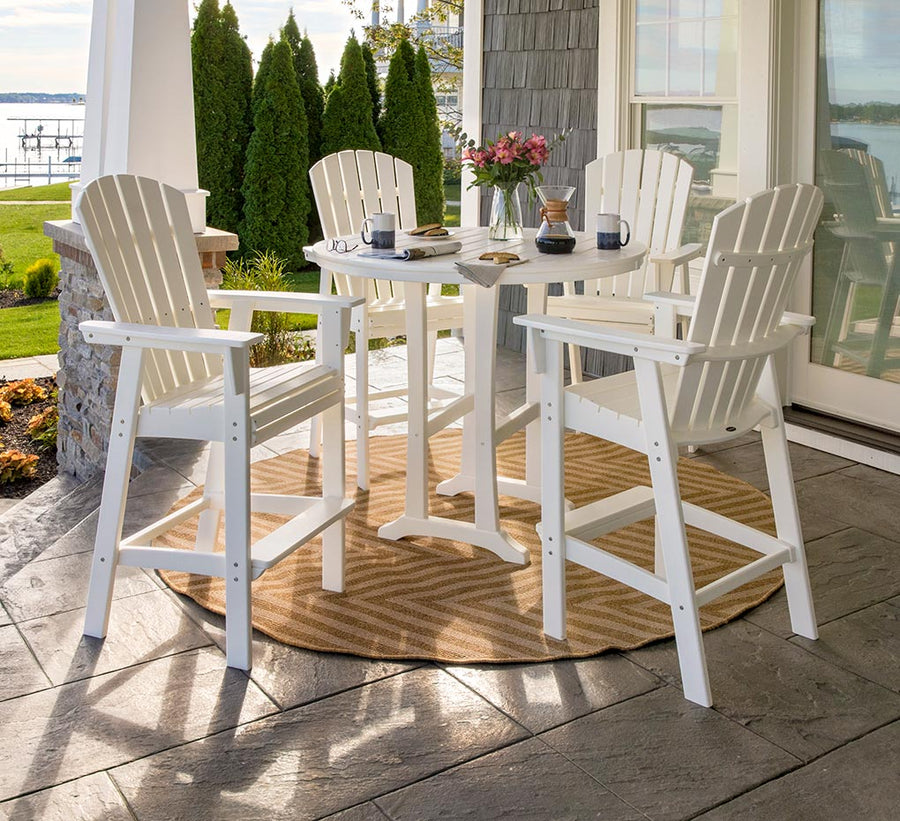
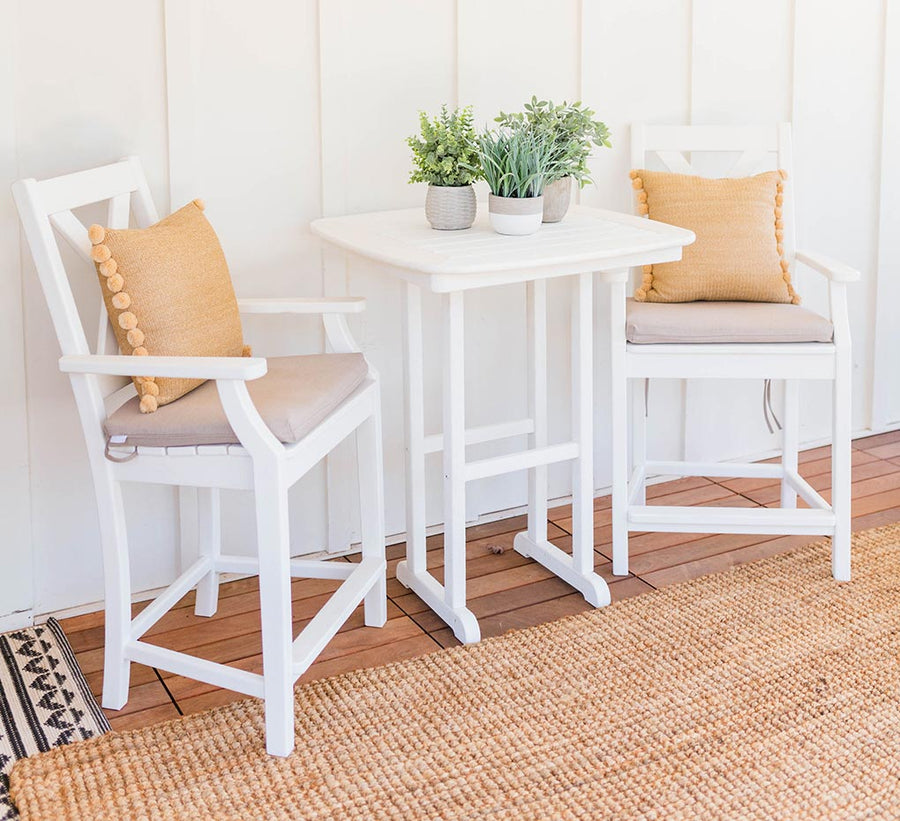
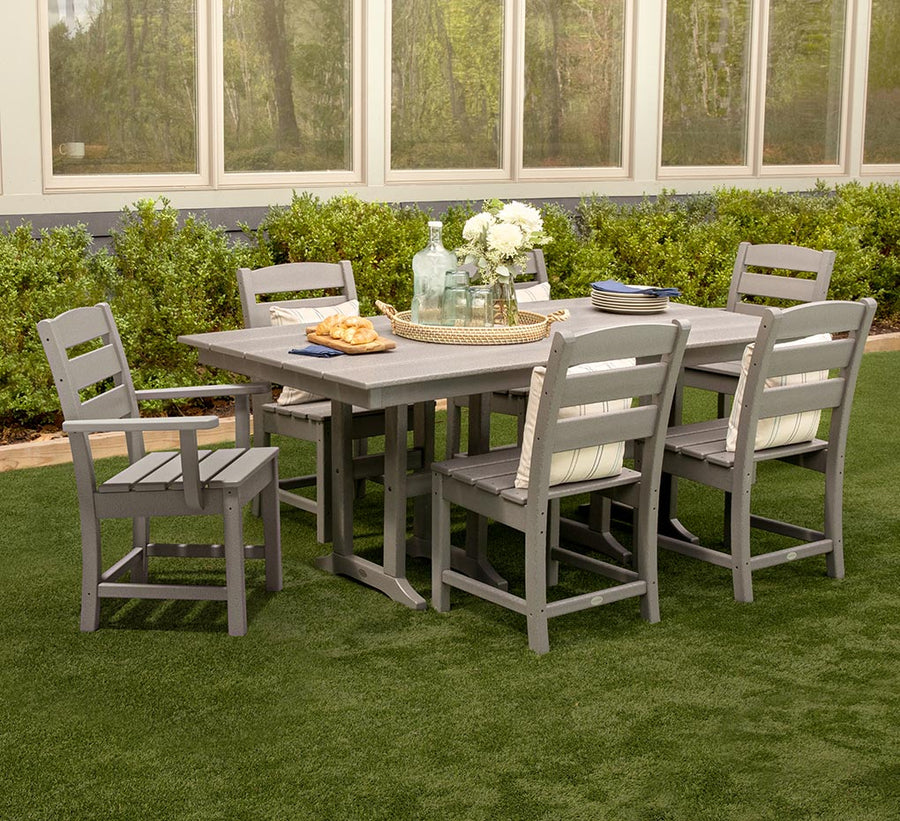
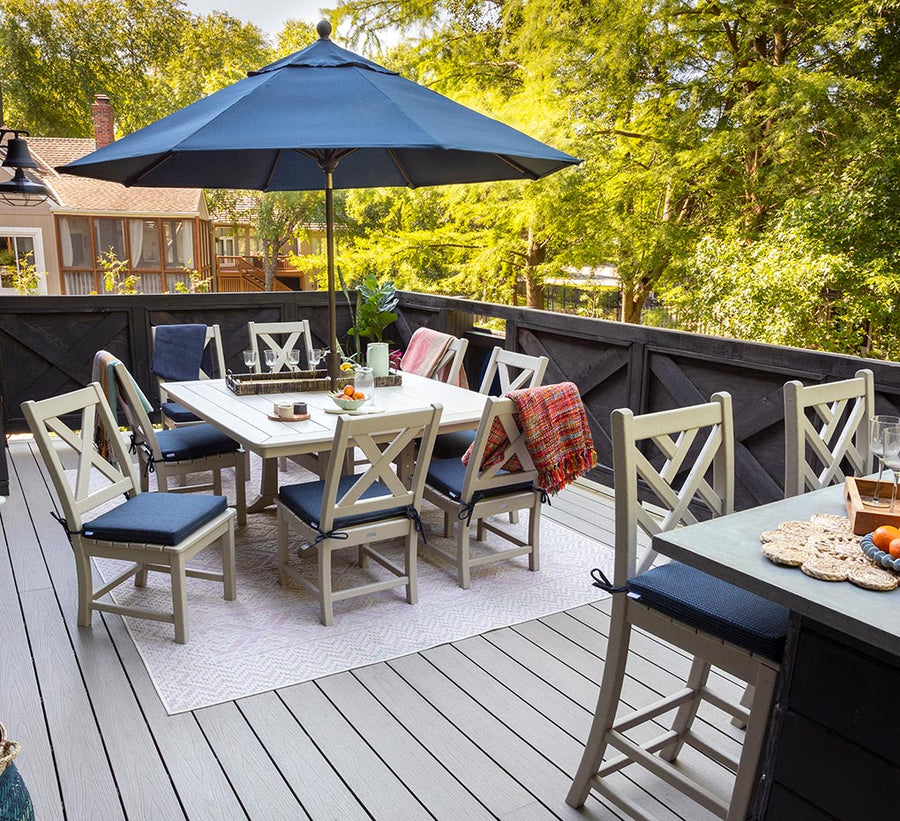
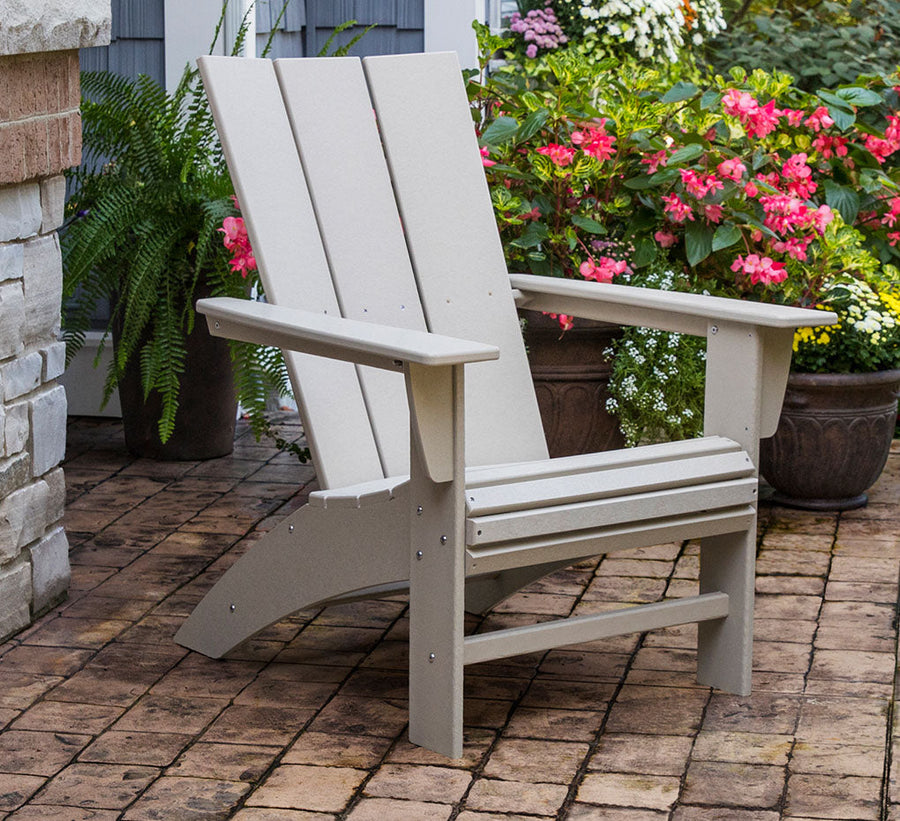
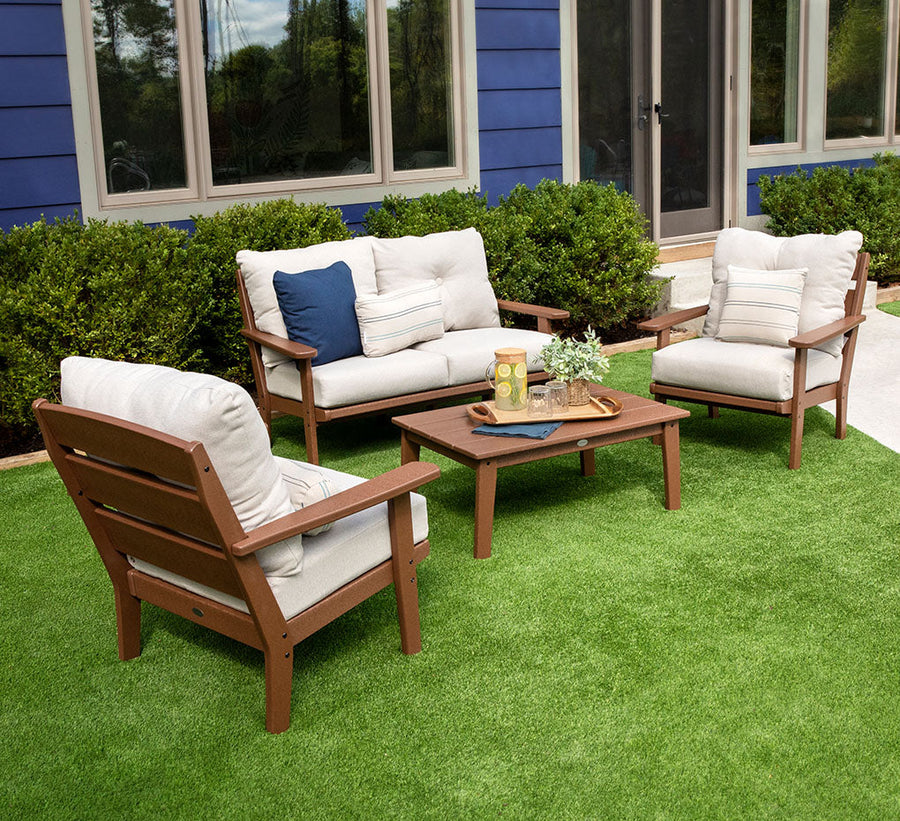
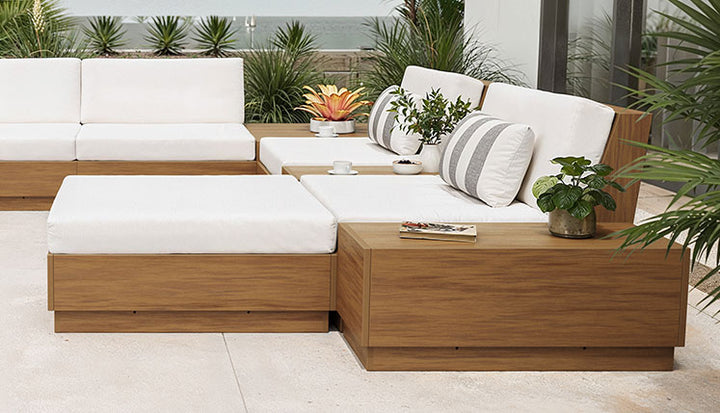
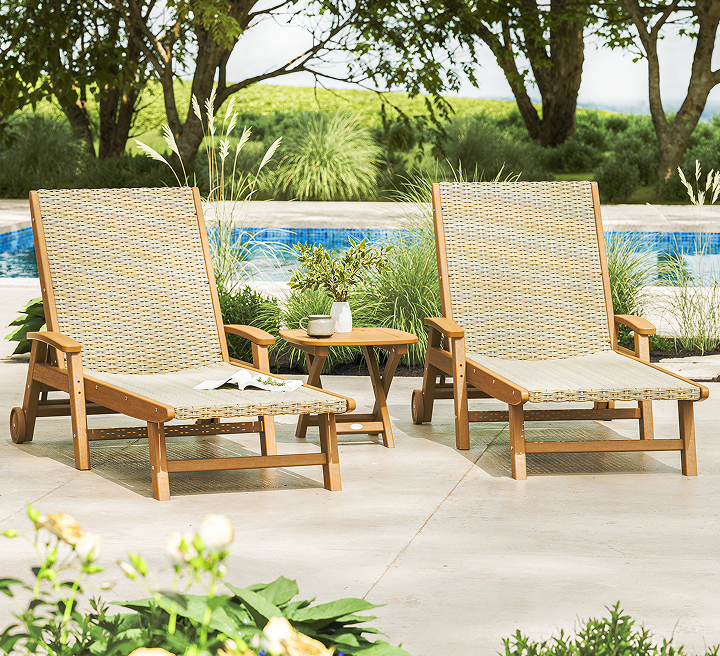
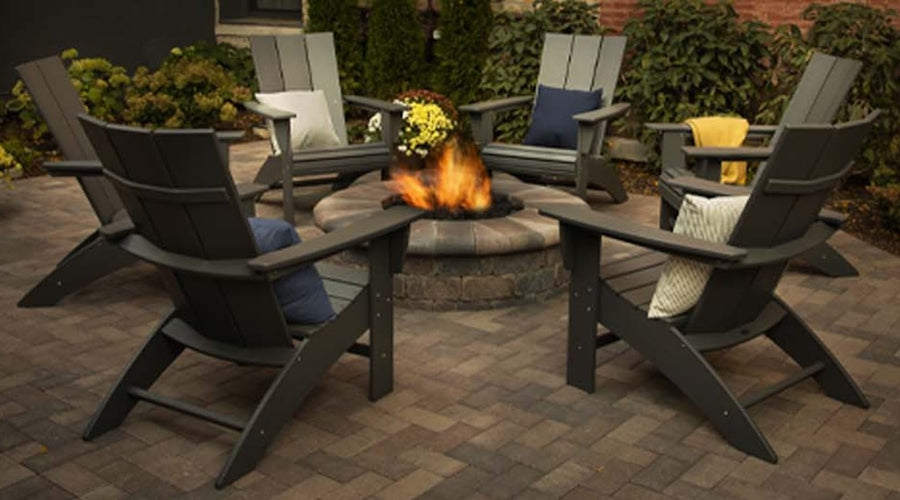
Fill a shaded backyard area with flowers that don't need a lot of sun. You can also put non-living things here, such as furniture, water features, a shed, a small pond, or an outdoor office.
What can I do with the side of my house that gets no sun?
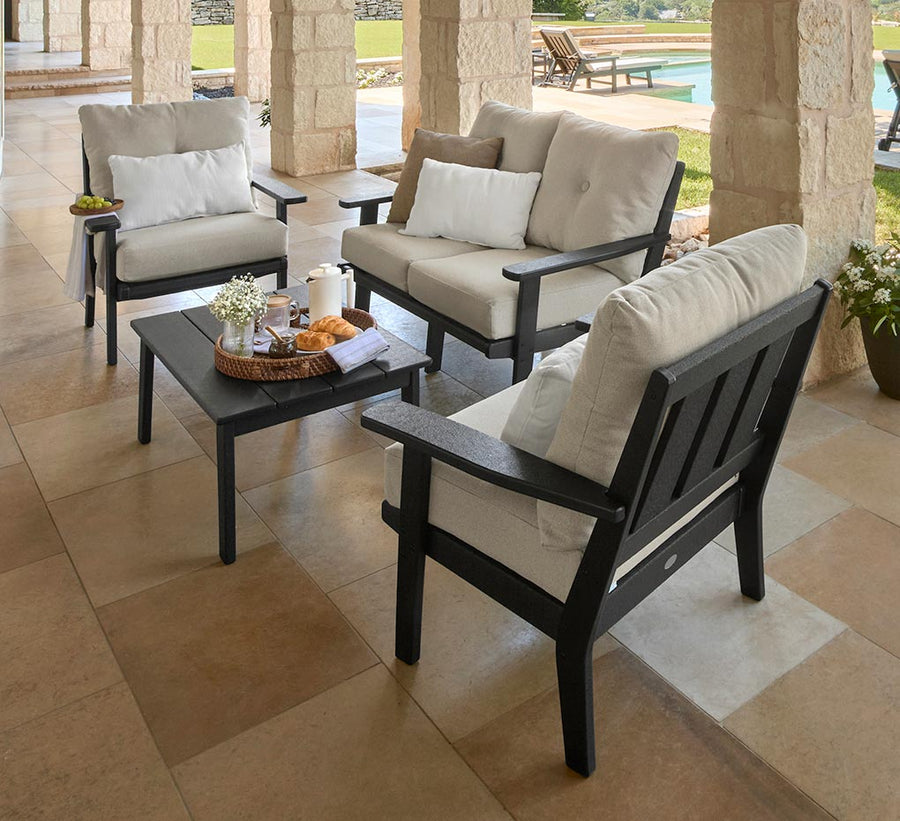
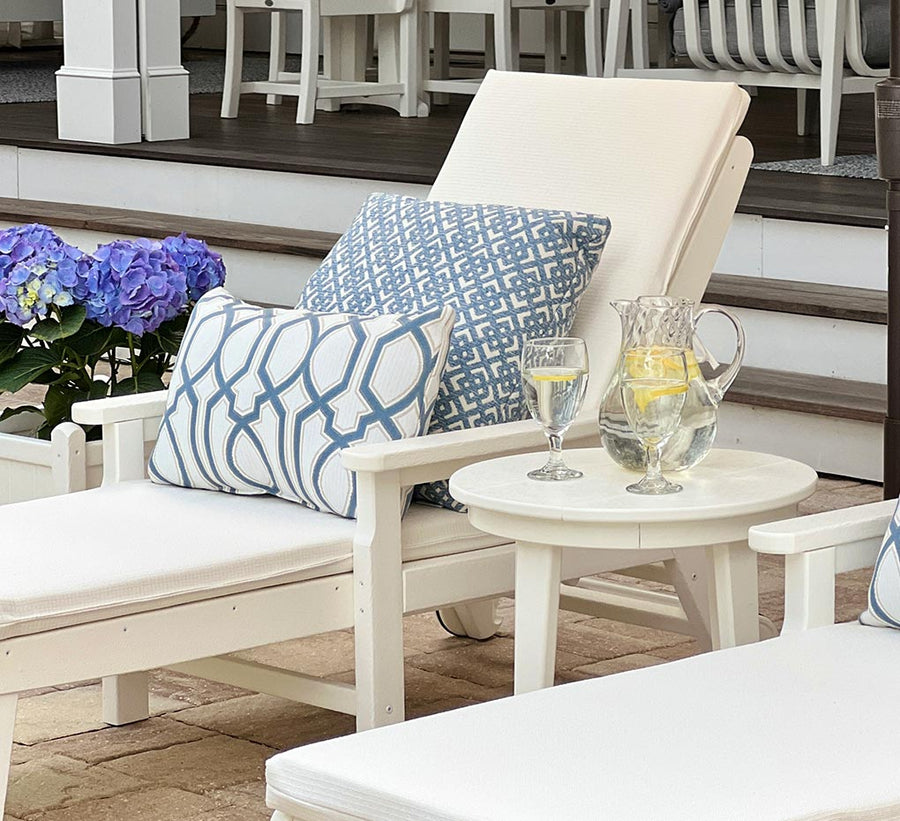
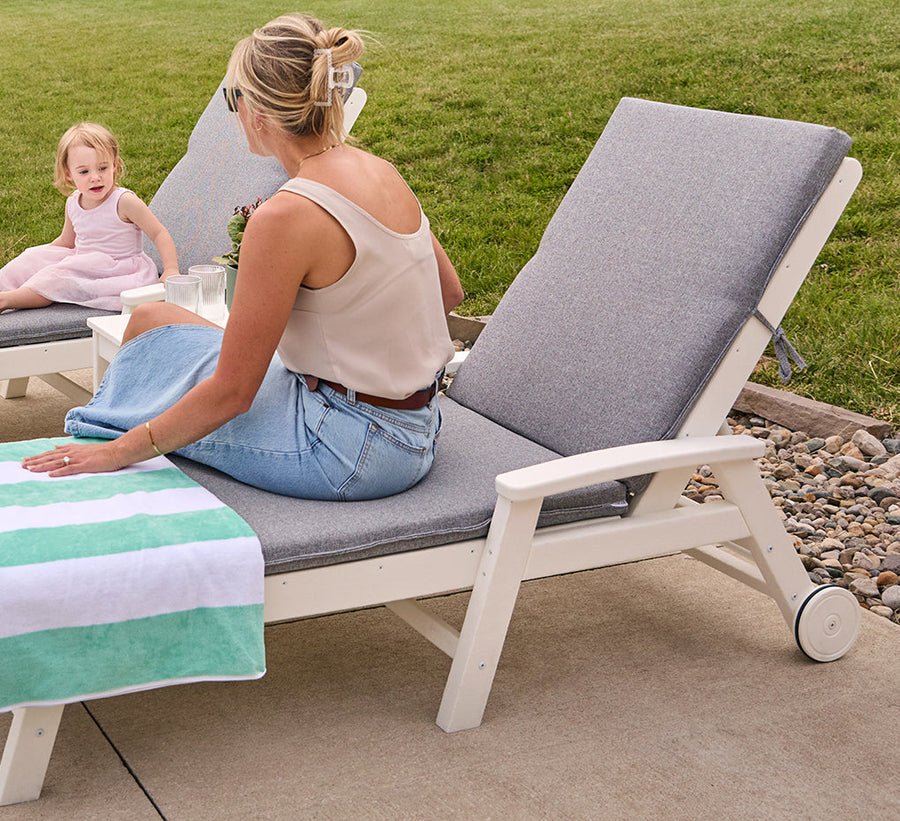
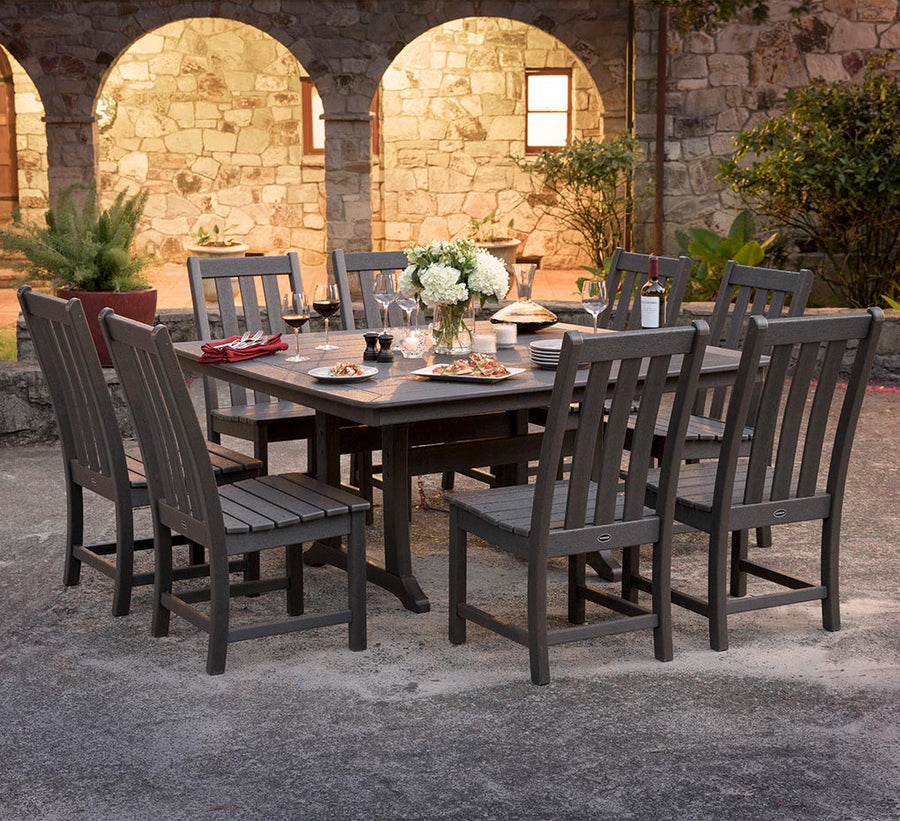
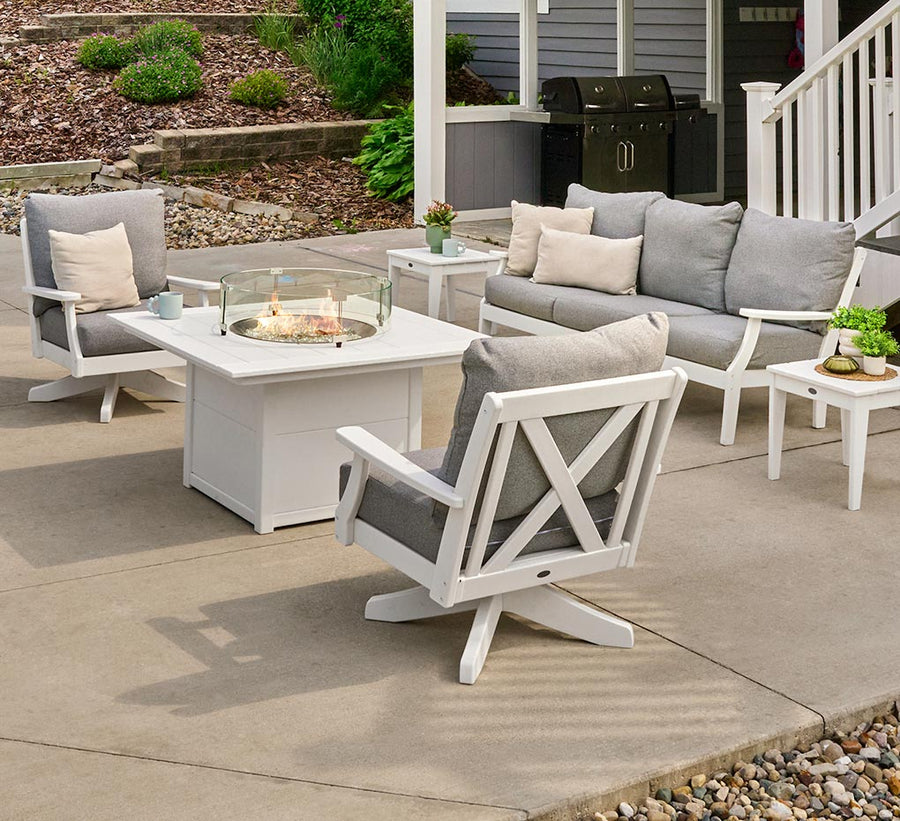
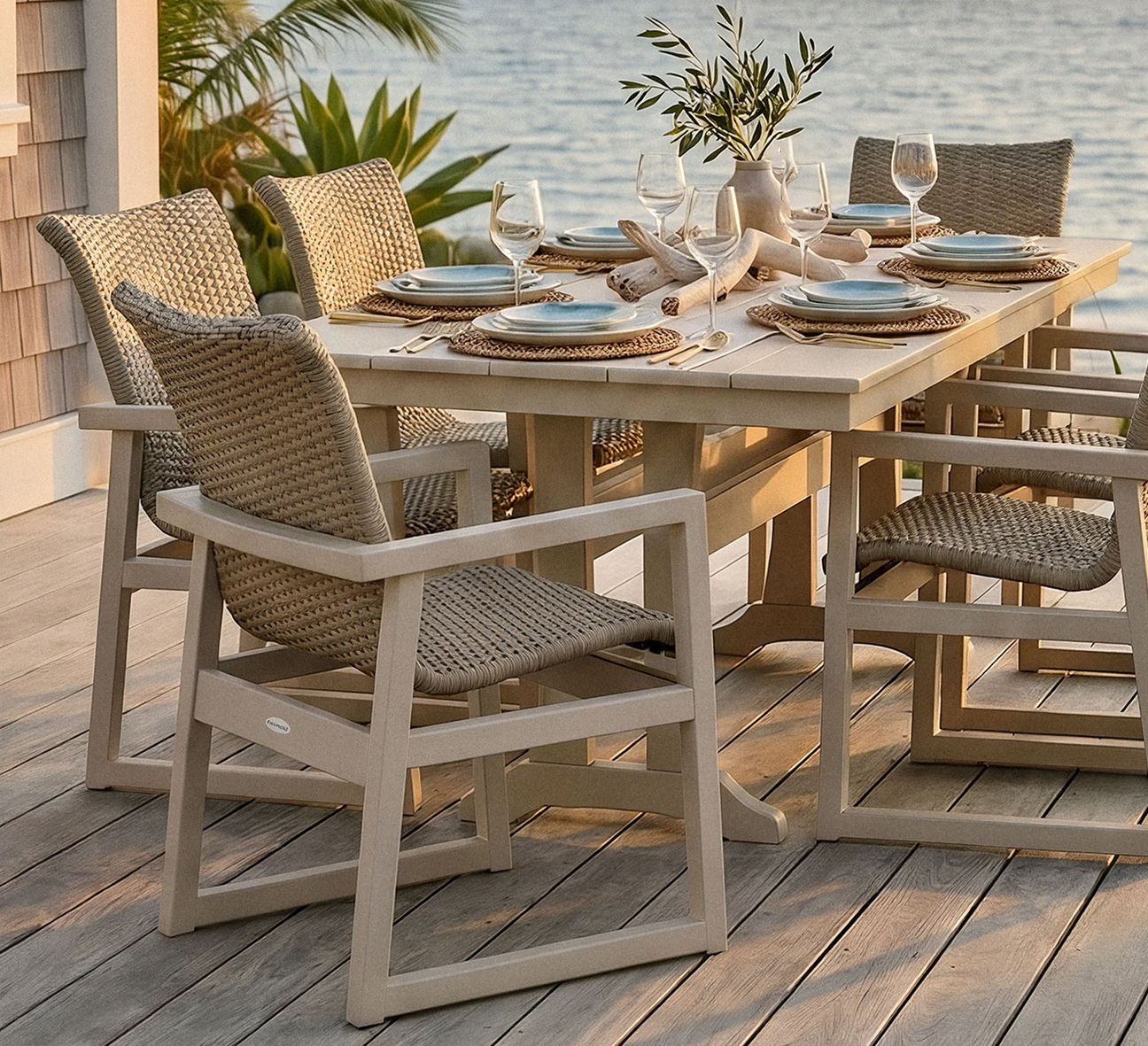
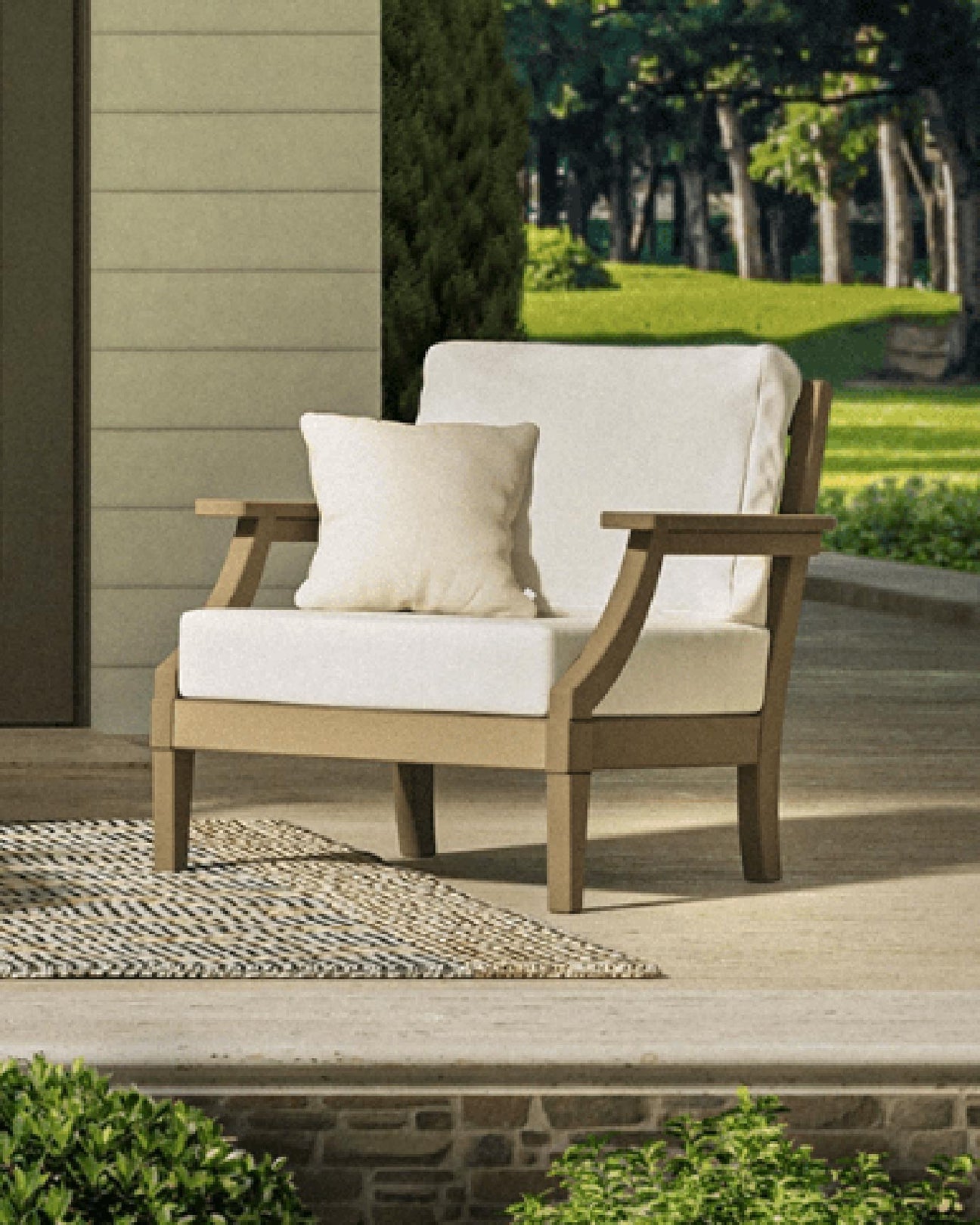
Instead of a shade garden, design a relaxation area on the side of your house that gets little or no sun. The space will be cooler throughout the day, making it the perfect place for family to kick back in hot summer weather.
What vegetables can grow in full shade?
Here's a list of fruits, vegetables, and herbs that grow in full and part shade:
Greens: Kale, lettuce, spinach, arugula, and Swiss chard
Root vegetables: Broccoli, carrots, beets, turnips, potatoes, and onions
Herbs: Mint, chives, oregano, parsley, and chervil
Legumes: Beans and peas
Berries: Blueberries, currants, gooseberries, lingonberries, and elderberries
Pomes: Pears, loquats, and quince
Stone fruits: Blackberries, raspberries, sour cherries, and plums
Cait is an Indiana-based creative content writer who has been with POLYWOOD since 2020. She’s a Purdue alumna, a proud logophile (word nerd), and an advocate of the Oxford comma. In her free time, Cait loves gardening, cooking, running, camping, and spending time with her husband and four fur children.

















 POLYWOOD


