



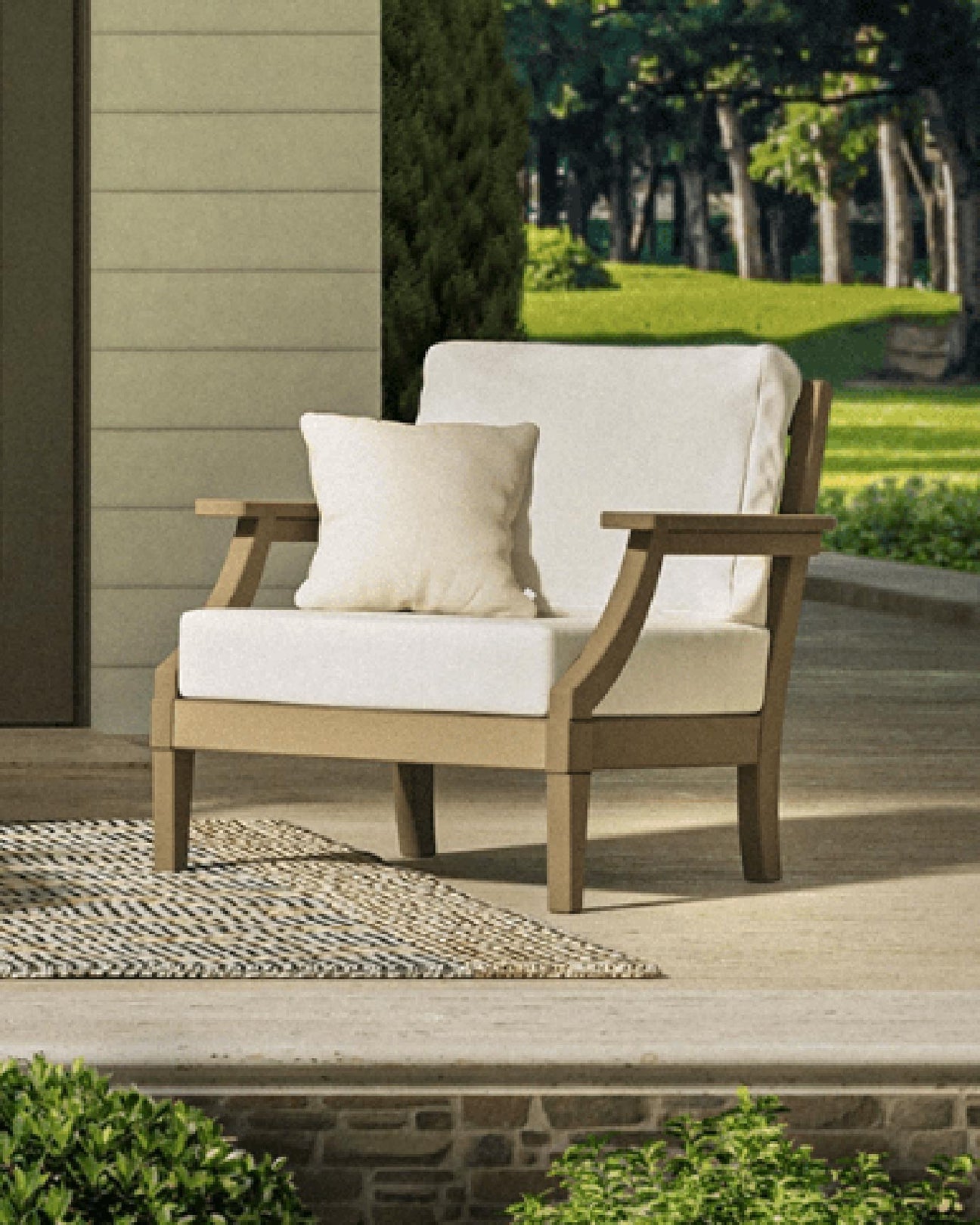
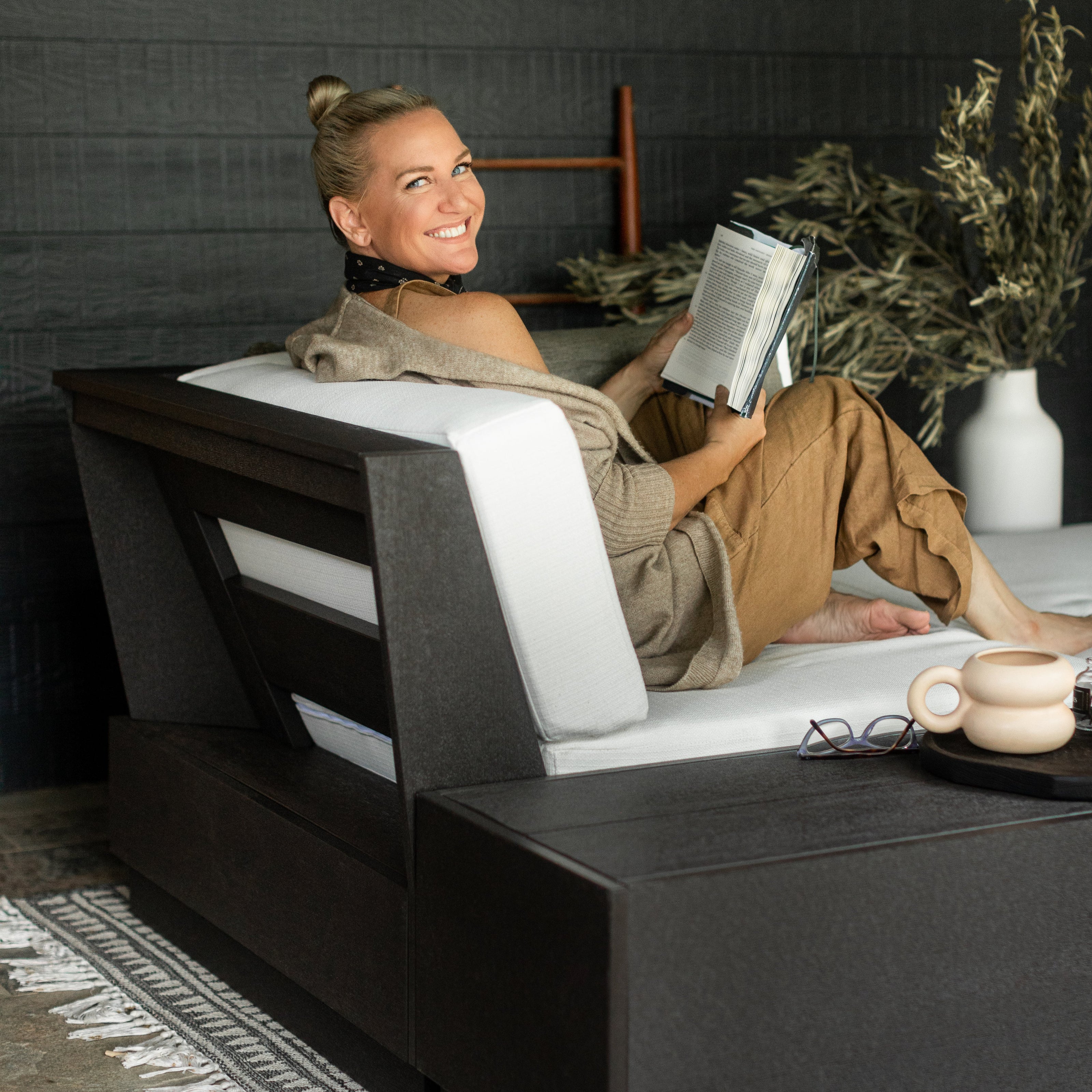

A woman, man, and little girl relax together on a grey POLYWOOD EDGE sectional on a patio before a flagstone house.

Decorating Your First Home: Outdoor Design & Style Tips

Written by: Caitlin Evans

|

Published on

|

Last updated on

|

Time to read 7 min

After years of saving for a down payment, learning about mortgage rates, and dreaming of homeownership, you've officially closed on your first house.

Congratulations!

If your previous residence was a small apartment, you may have only a few furnishings to your name, and we bet most are for indoor use. This presents an exciting opportunity: decorating your new backyard from scratch. We can help with that. Keep reading to see our style ideas, shopping advice, and more tips for furnishing your first home’s outdoor spaces.

Assess Your New Backyard

Start your backyard design from the ground up.

Measure Your Outdoor Space

Determine how much square footage you have to work with by measuring your backyard. You'll need a tape measure, a pencil, some paper, a few more tools, and a spare hour. Follow these steps to complete the task:

  1. Make an initial sketch of your entire property and label all the elements in it.
  2. Measure and record the following dimensions on your sketch, rounding all to the nearest inch: 
    • Your property’s boundaries 
    • All sides of your home 
    • The distance from each side of your home to the nearest edge 
    • The distance between elements and the two closest boundaries that come together to form a 90-degree angle 
    • The square footage of all elements larger than a tree 
  3. Determine which direction is north and mark it on your sketch. 
  4. Decide the appropriate scale, e.g., 1/4 inch = 1 foot, and note it on the sketch. 
  5. Redraw your sketch on a clean sheet of graph paper, keeping measurements to scale. 
  6. Compare your landscape plan to your yard and make any necessary corrections. 
  7. If you have a second-story deck or balcony covering a first-level outdoor space, draw two separate sketches to create clear views of your entire property. 
  8. Note the promising spots that could be future relaxation, dining, or entertaining areas.

There’s more than one way to measure your outdoor spaces.

Once you've completed your property's dimensional sketch, use it as a baseline for determining the size, shape, and quantity of outdoor furniture you can realistically style in your backyard.

Plan Based on Available Space

Keep in mind that not all open space is available to use. You'll have to plan around stairs, entrances, windows, and other permanent structures connected to your property's open areas.

A hand drawn sketch of an outdoor space with furniture, entrances, and landscaping marked.

Set an Outdoor Furniture Budget

With a new home comes mortgage payments, property taxes, and possibly HOA fees. It's a good idea to plan a furniture budget around these and other living expenses to prevent overspending.

How to Create an Outdoor Furniture Budget

Follow these steps to determine your budgetary restraints:


  1. Decide how you'll use your backyard and what furniture you'll need to accommodate this intended purpose.
  2. Make a need-versus-want list. Add must-have pieces to the "Need" column, then put items you'd like to have but can live without in the "Want" column. 
  3. Research furniture prices to get an idea of how much money you'll have to spend to furnish your space. Once you've added up the costs, add 10% to cover sales taxes, shipping costs, and a general buffer for other expenses. 
  4. If you need time to build up funds, set aside a little for a few months. Have patience and plan your dream space while you wait for your savings to add up. You can also use this time to track prices and see if your favorite pieces go on sale.
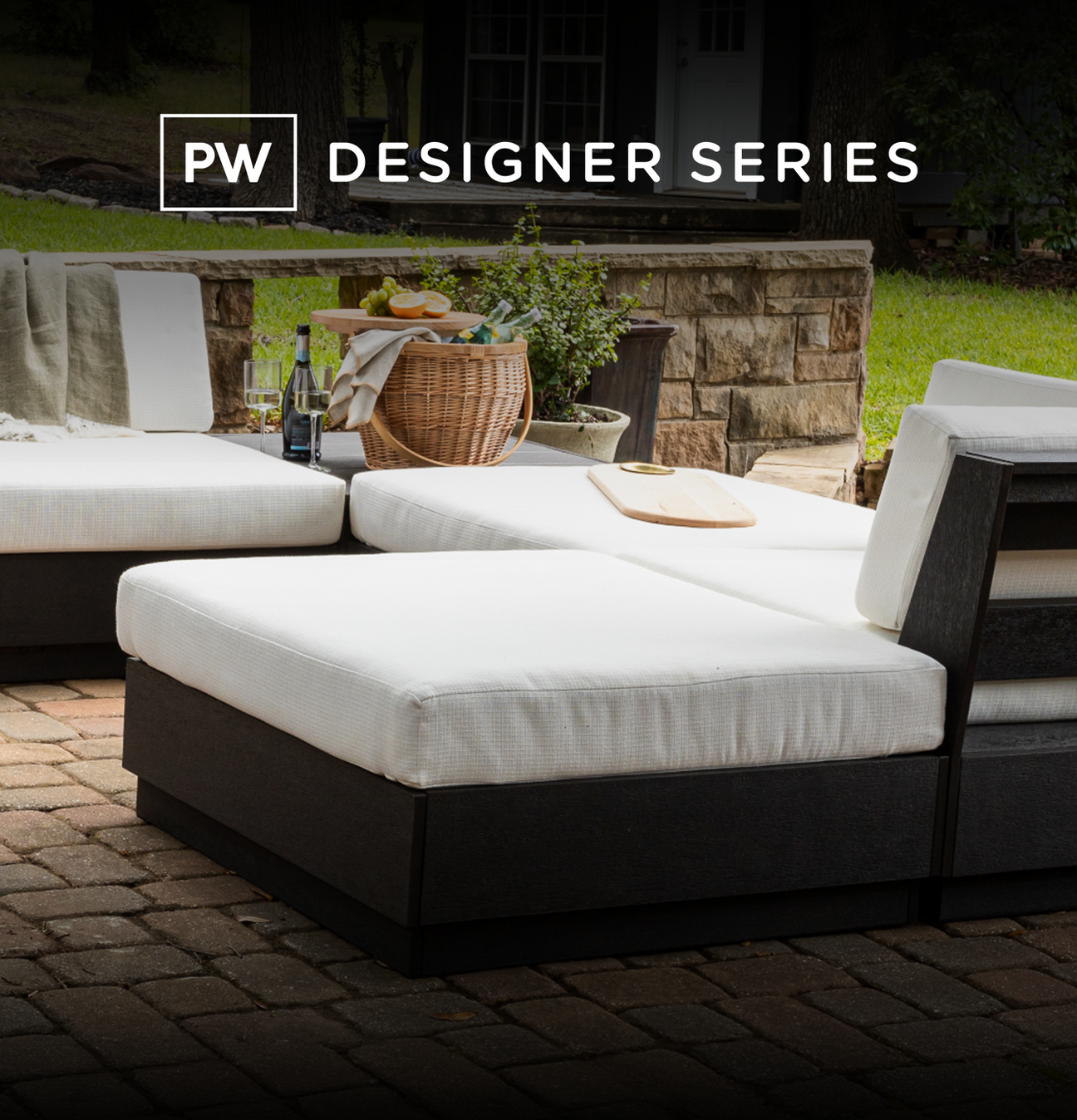
A black POLYWOOD EDGE 4 Piece Modular Deep Seating Set with Ottomansand white cushions sits on a covered patio by a pond.

Understand Your Personal Style

Use your outdoor space as an additional outlet for self-expression.

Identifying Your Style

You may already know and own your preferred aesthetic. If so, you're one step ahead. But if you had to follow strict decorating rules at your old apartment complex, you may still be on the road to self-style-discovery. Here are a few steps to help:

  1. Browse outdoor decor Pinterest boards or leaf through home design magazines, noting looks.
  2. Take a furniture style quiz
  3. Consider looks that complement your home's existing architecture and your property's landscape. 
  4. Let your values and fond memories shape your style. For example, if you loved combing the beach for seashells with your grandma when you were little, incorporate the ocean into your personal aesthetic.

How to Translate Your Style Into Furniture Choices

Once you've found your personal style, make it come to life through your outdoor furniture selections. 


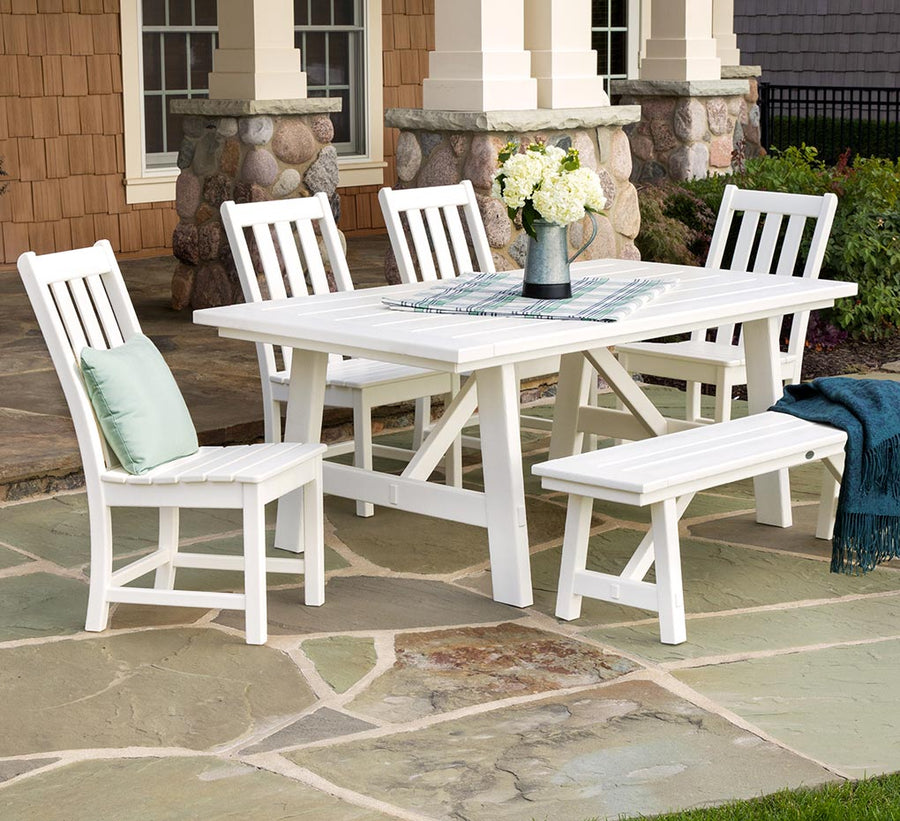
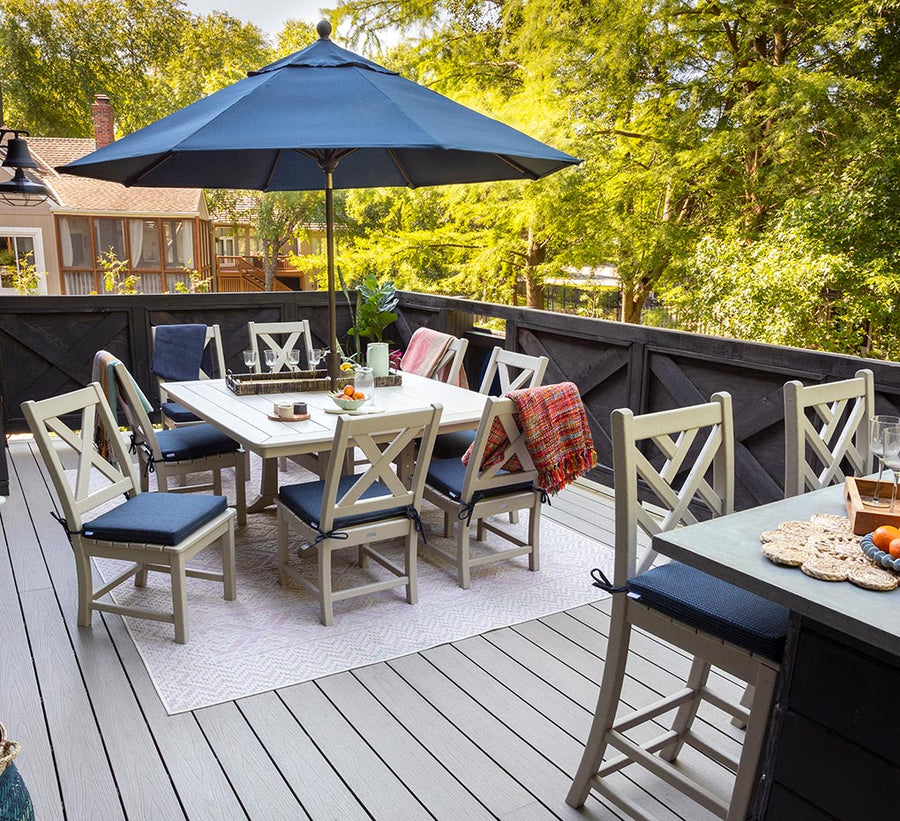
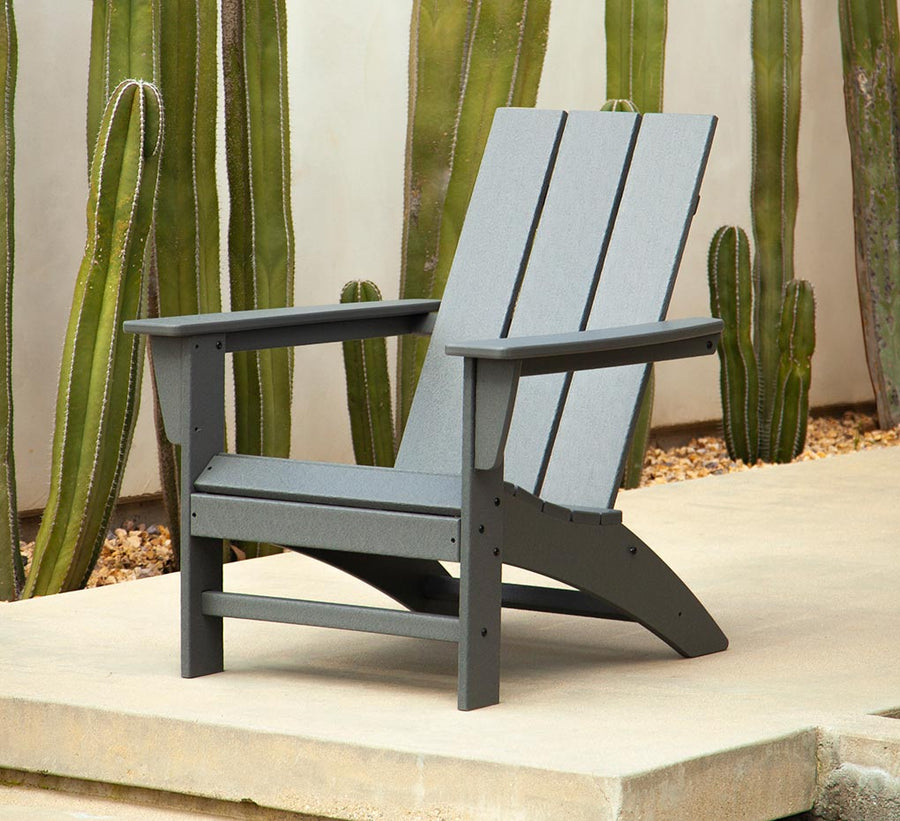
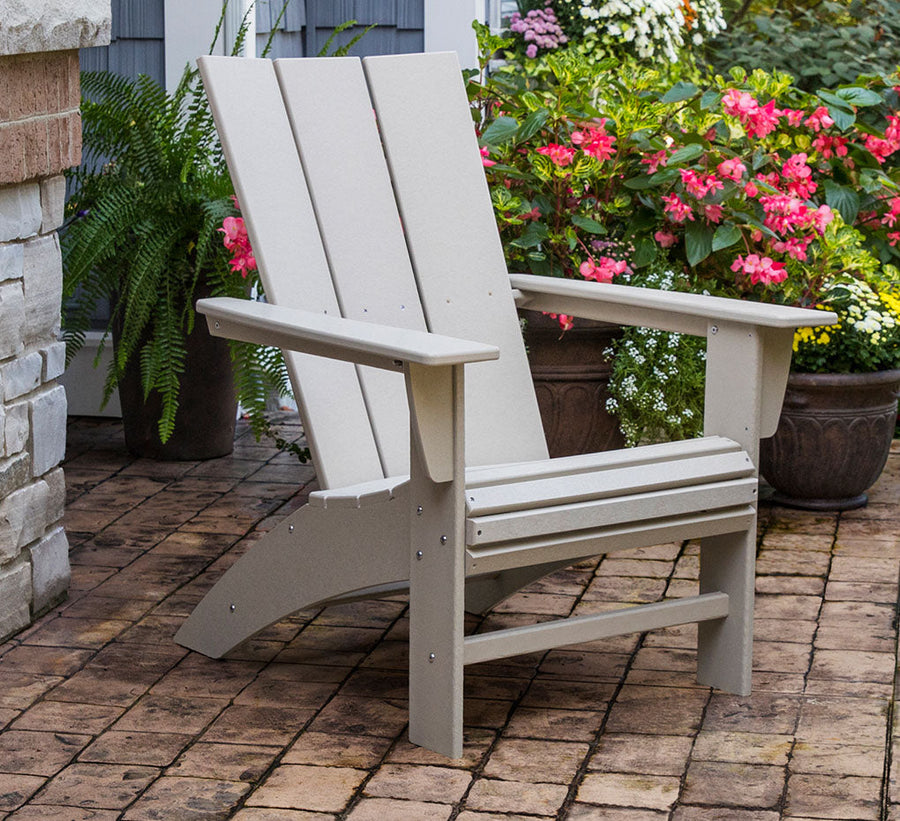
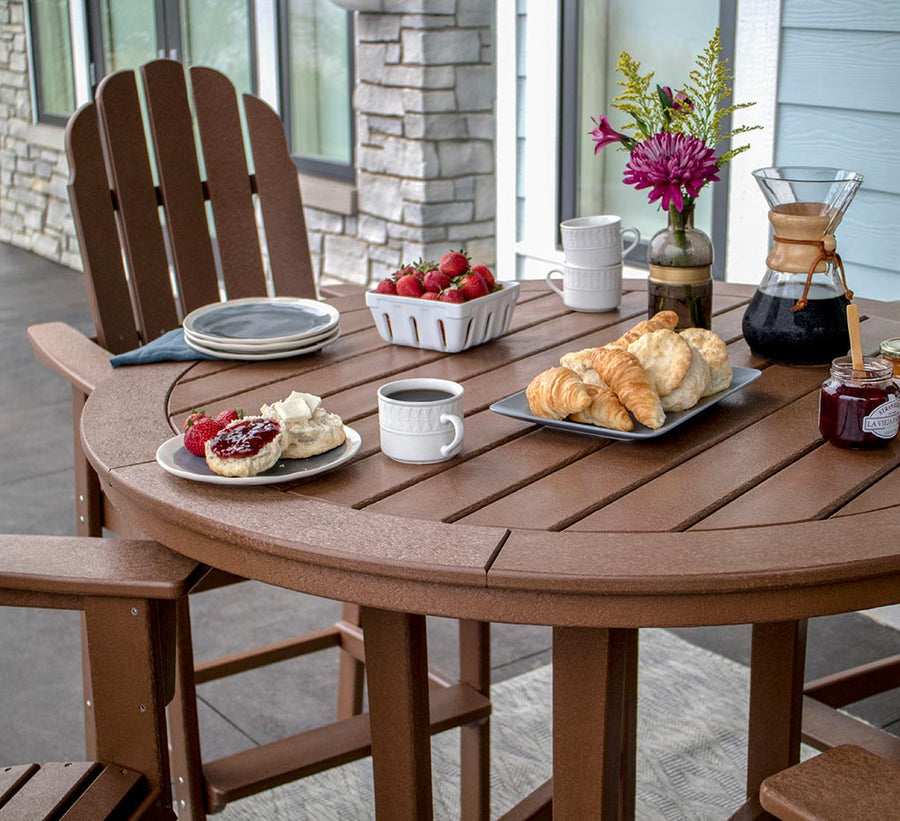
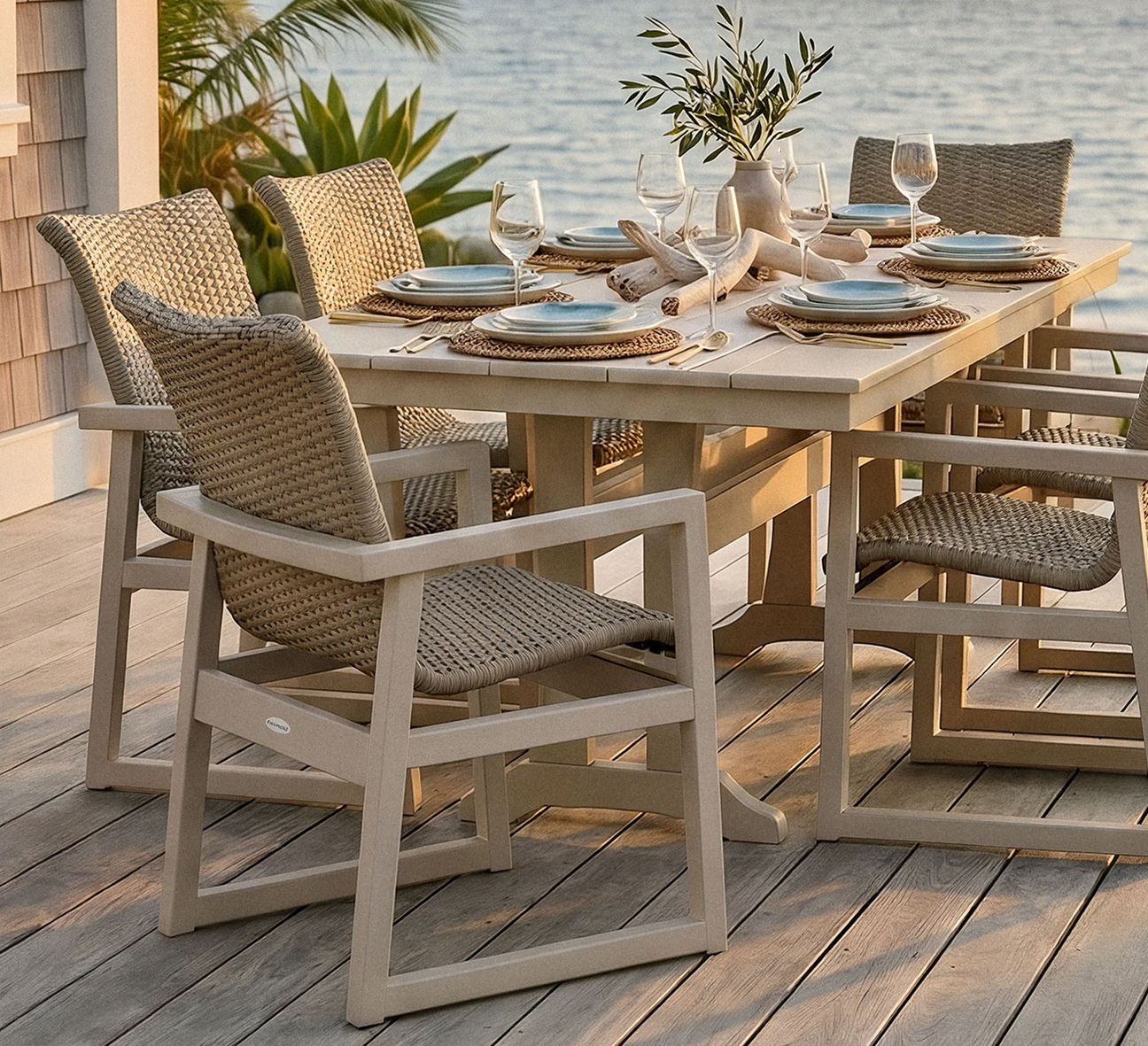
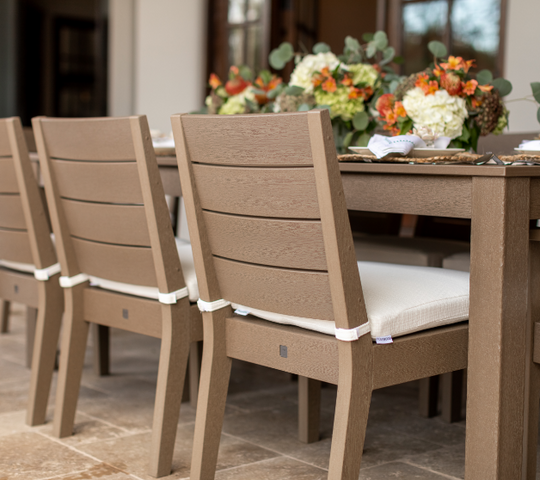
If you love a modern look, choose sleek Adirondack chairs in a monochromatic white, grey, or black palette. Cottagecore more to your liking? Start the rustic theme with a sand-toned farmhouse dining set adorned with thrifted candlesticks, foraged florals, and other whimsical accents.

Invest in Well-Made Outdoor Furniture

Choose pieces that will serve your family year after year (after year).

Spotting High-Quality Furniture

When browsing furniture selections in-store and online, be thorough in your search.

  • Look for products described as "weather-resistant" and "UV-resistant" to indicate durability. 
  • Avoid furniture with no description or terms such as "veneer," "faux wood laminate," and "particle board." 
  • Heavier furniture tends to be higher quality, as the weight indicates a dense and completely solid frame. 
  • Outdoor pillows and cushions should be tailored in performance fabric that's resistant to weather, moisture, stains, and fading. 
  • Cushions should hold their shape, so look for filler that's dense and thick. 
  • Read customer reviews to see what other shoppers say about the product you're considering. 
  • Seek items backed by clear and accessible warranties. 
  • Shop with businesses that have transparent practices, excellent customer service, and a polished online presence.
Brown POLYWOOD Modern Adirondack Chairs surround a Nautical 42 Inch Fire Pit Table on a patio by pine trees and a lake.

Start With the Essentials

Buy the pieces you need first, then build around them.

Must-Have Outdoor Furniture for Every Occasion

Here is a list of essentials based on the chosen purpose of your outdoor space.


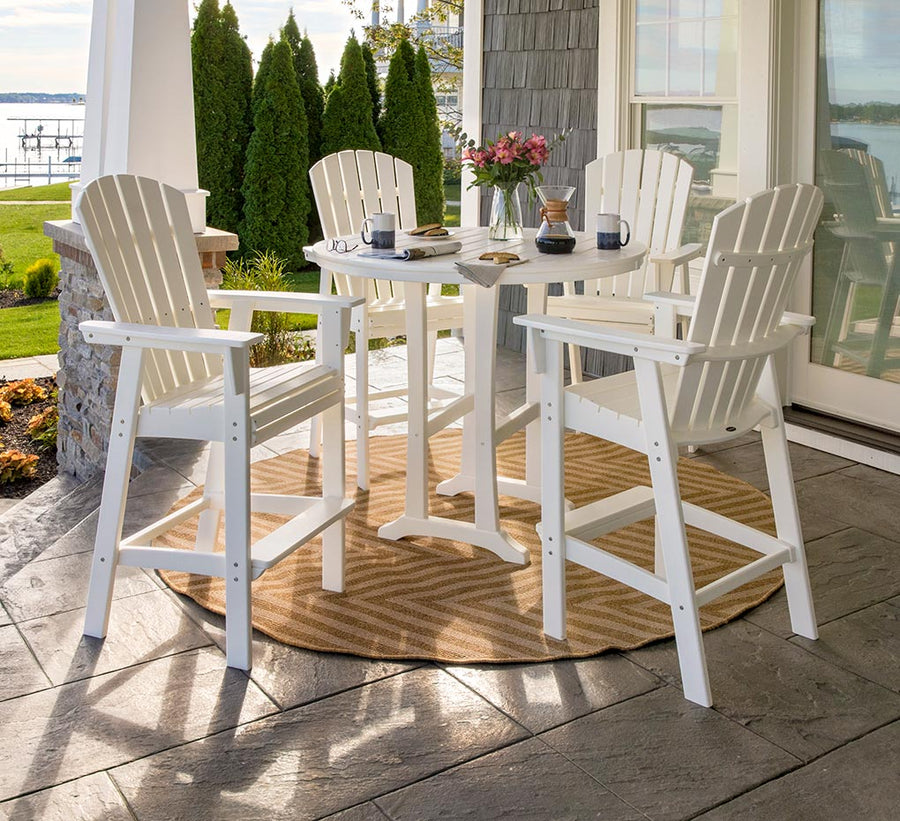
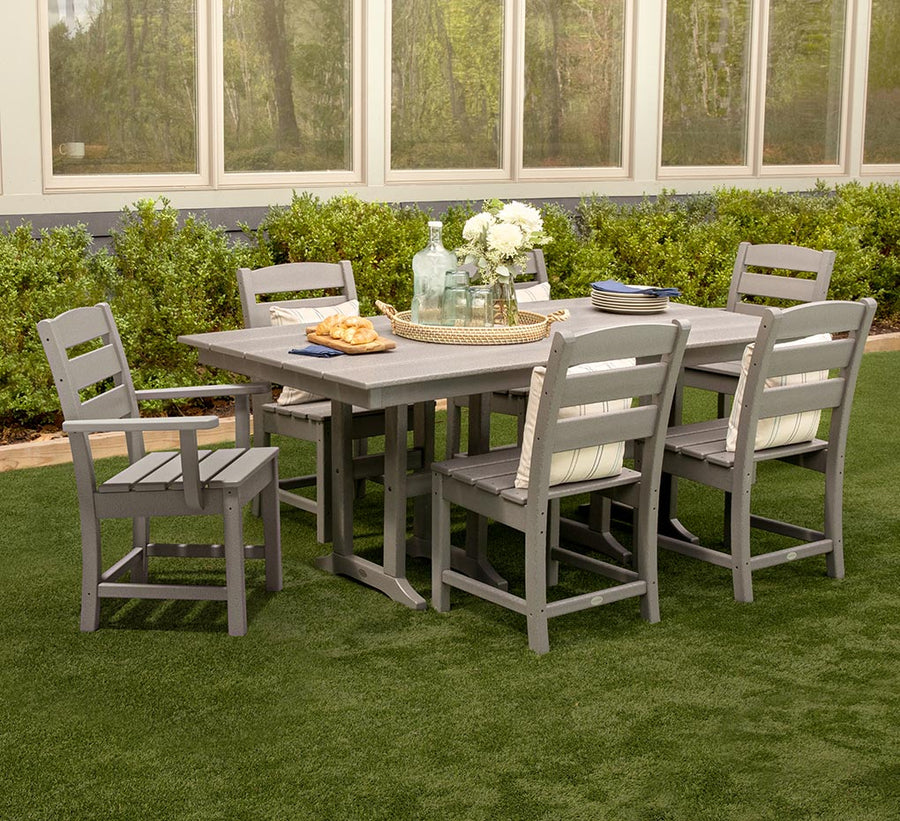
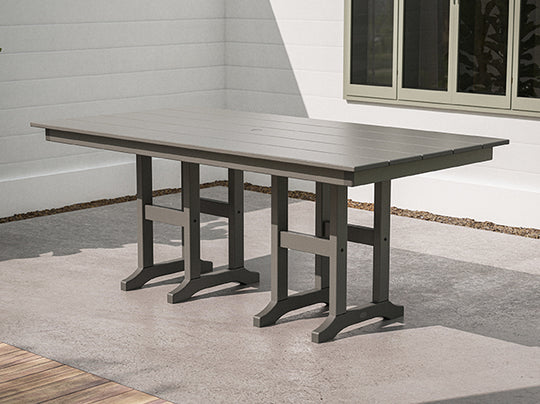
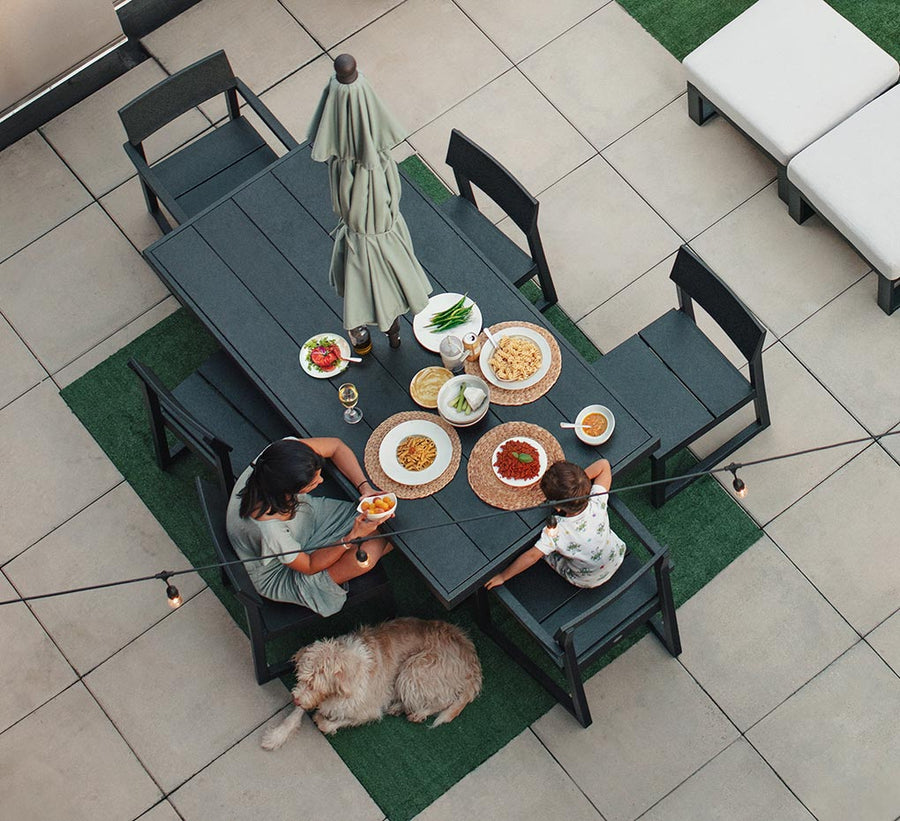
  • Dining room: dining table, and chairs or benches of the same height
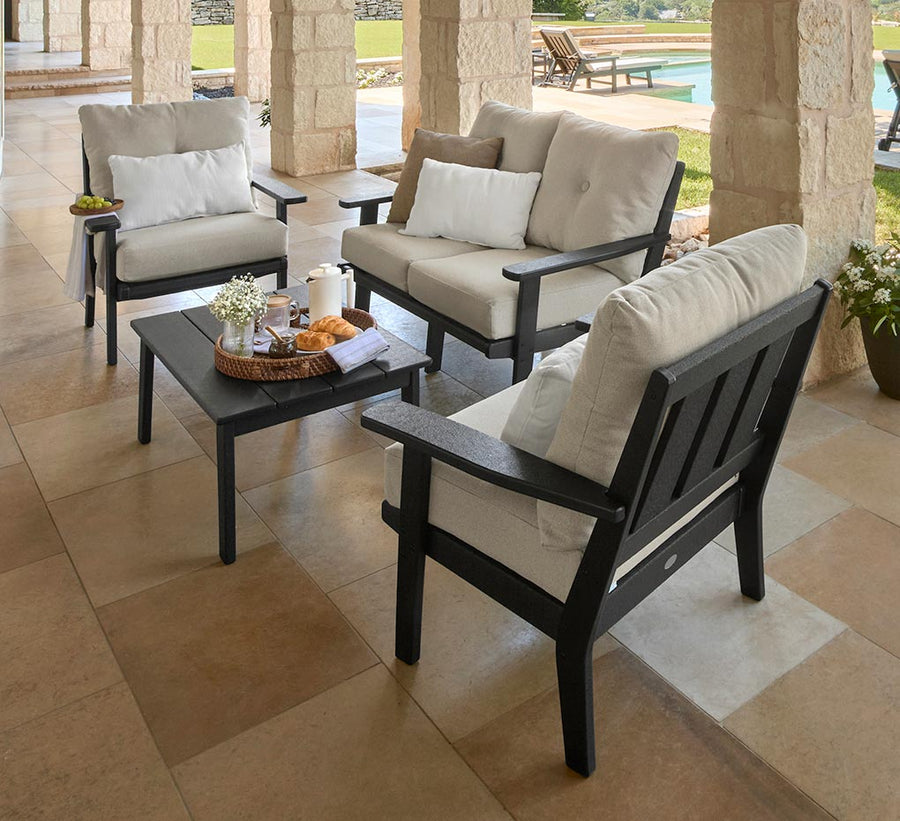
  • Lounge area: deep seating sofa or sectional and coordinating end tables 
  • Reading nook: Adirondack chair, coordinating ottoman, and side table 
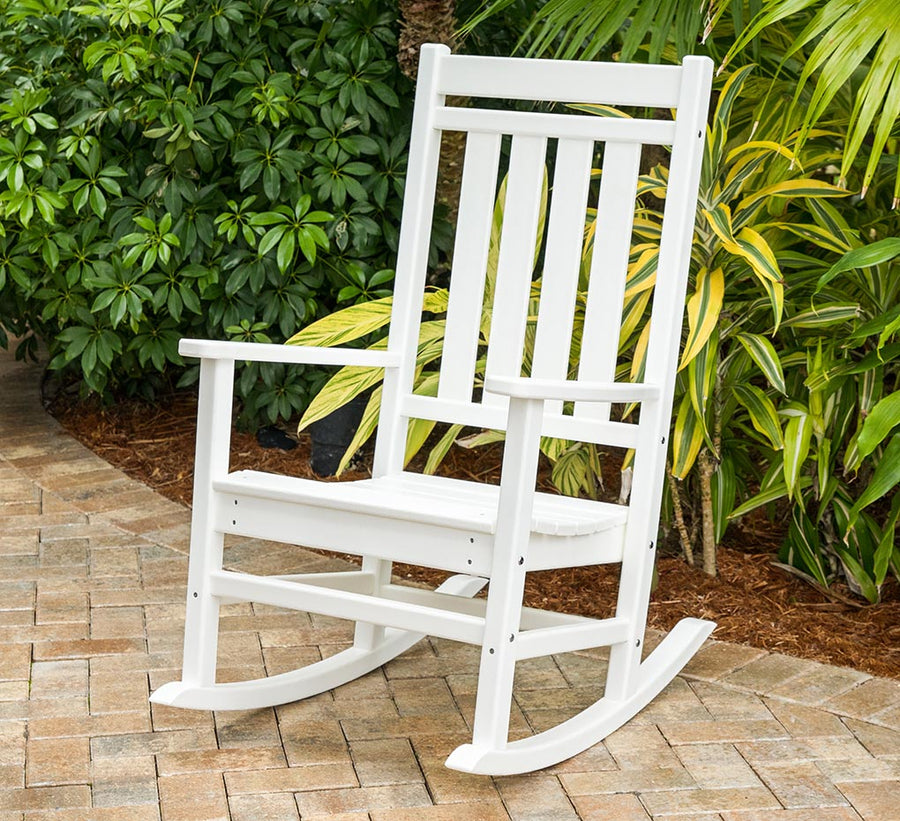
  • Front porch: rocking chairs, gliders, and matching coffee tables 
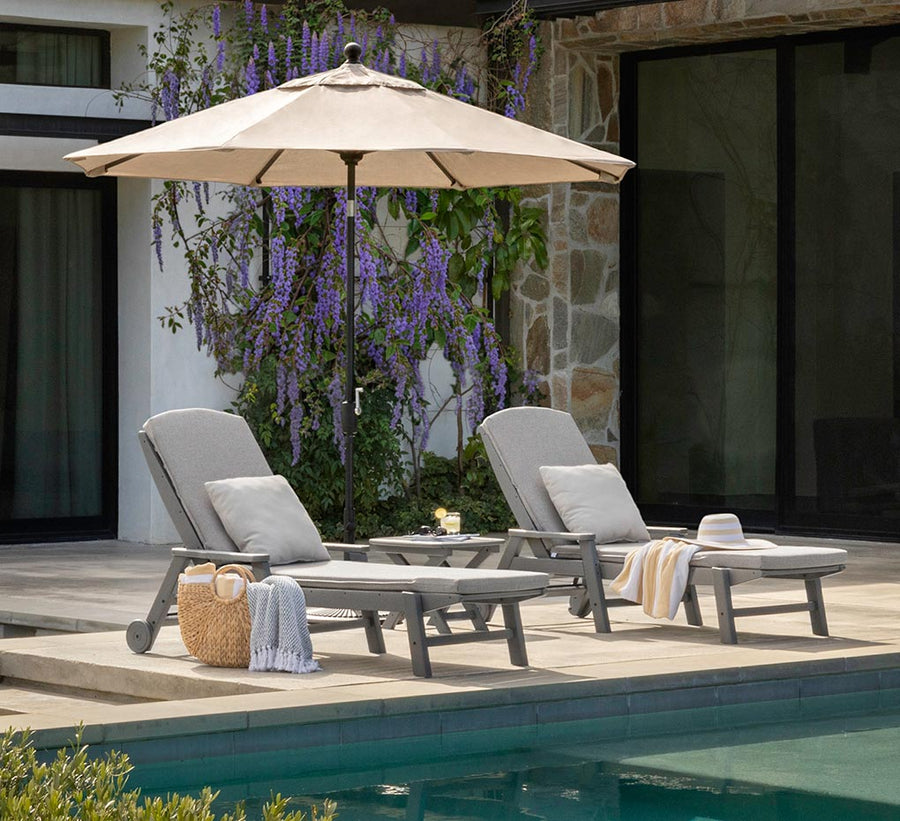
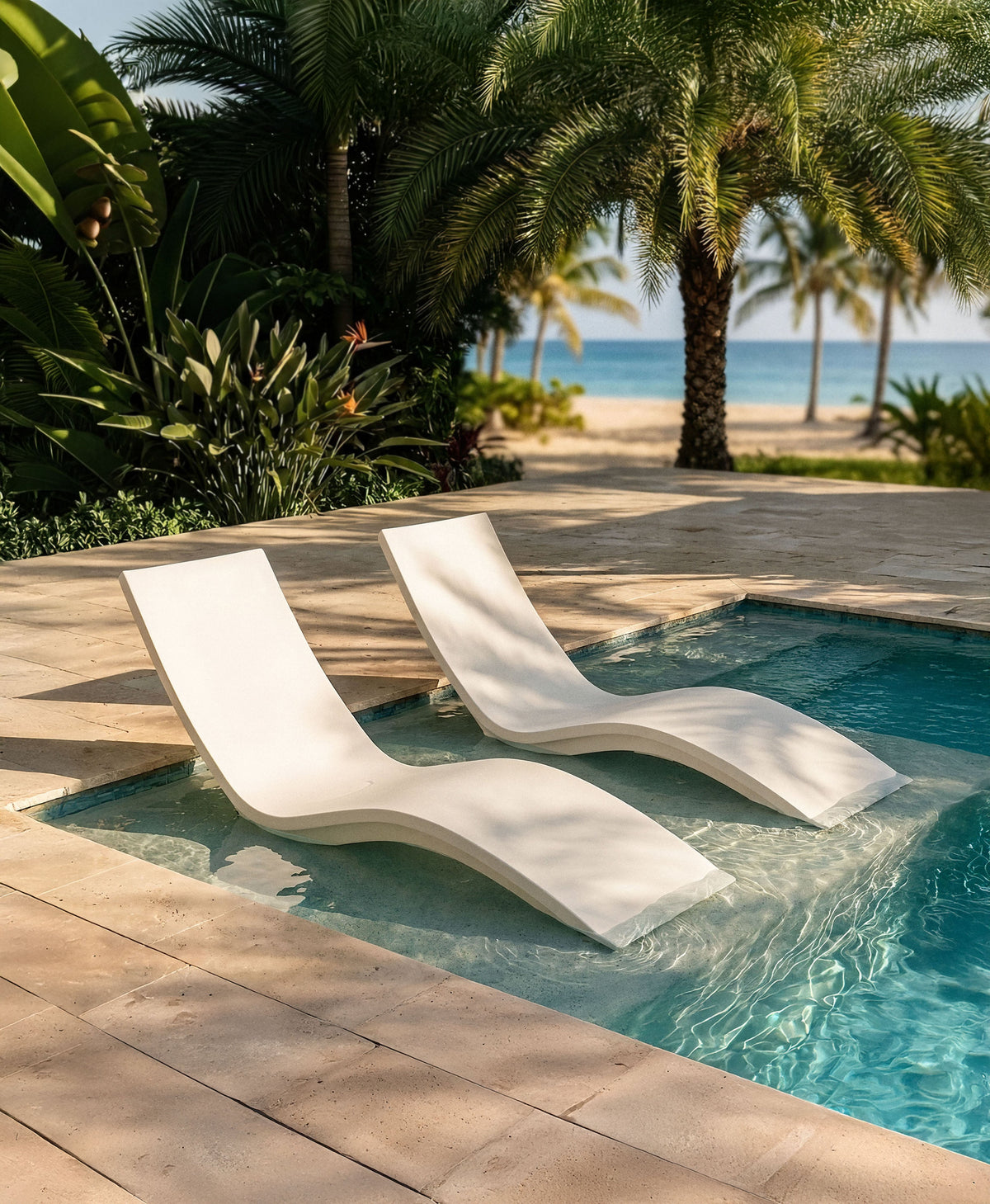
  • Poolside patio: chaise lounges and corresponding side tables 
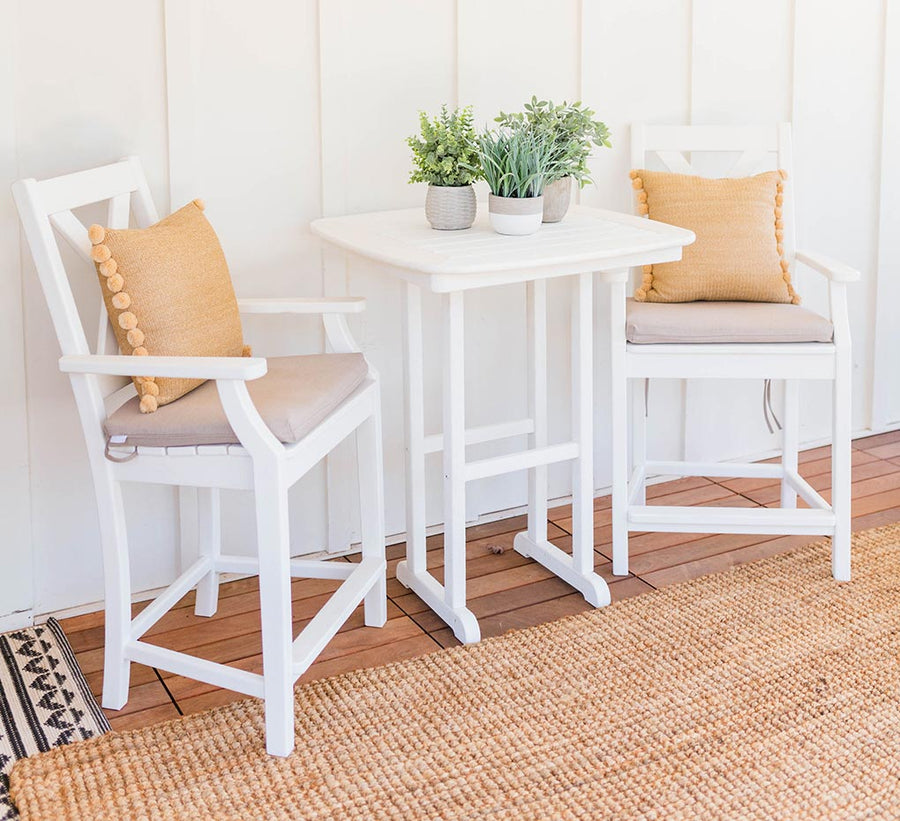
  • Upper deck bar: bar stools or chairs 
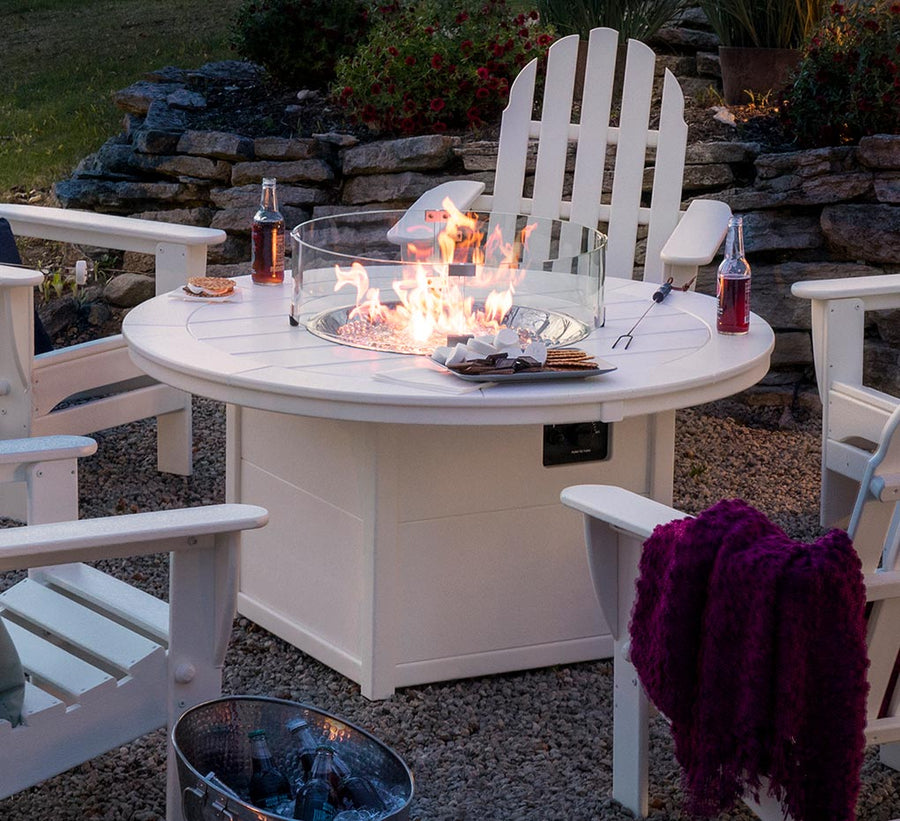
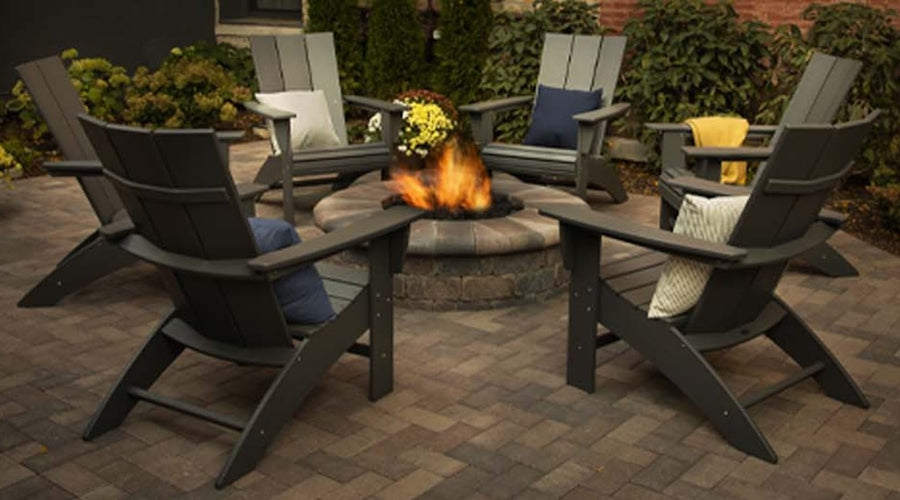
  • Fire pit area: fire pit table, Adirondack chairs
A woman sits on a white POLYWOOD Nautical Curveback Adirondack Chair by a Nautical 42 Inch Fire Pit Table on a lakeside lawn.

How to Build Around Essential Pieces

Choose decor and accent pieces that complement your furniture's look and support it in giving your family the best outdoor experience. 


  • Area rugs add color and soft surfaces for bare feet. 
  • Outdoor lighting sets the mood and lights the way for guests. 
  • Pots of flowers add happy hues and pleasant aromas. 
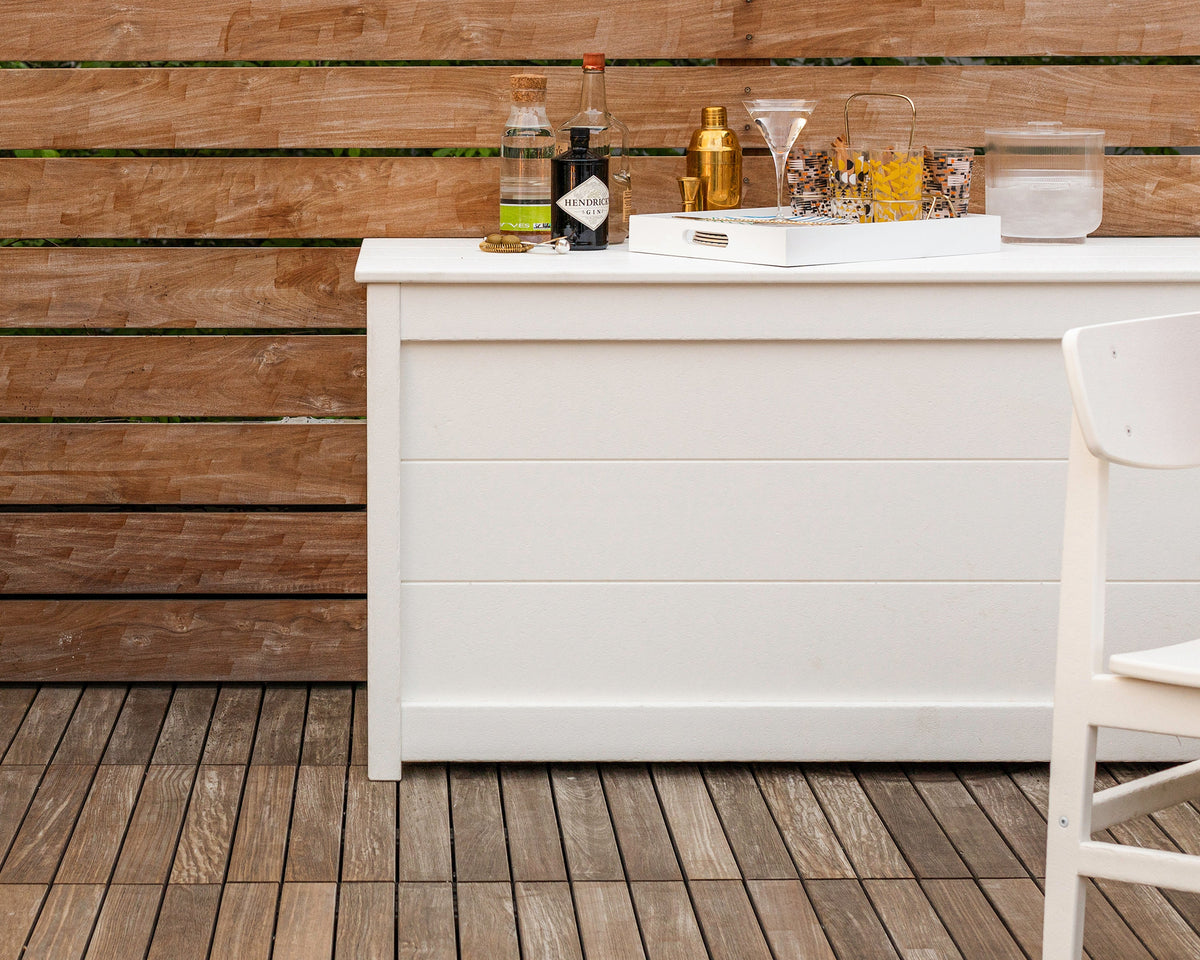
  • Storage tables protect cushions and decor in the off-season. 
  • Patio umbrellas offer shade and extra color. 
  • Seat cushions bring additional support to outdoor seating.
A black POLYWOOD EDGE End Table holding a round, white potted plant sits on a woven rug by a grey sofa on a flagstone patio.
Featured: EDGE End Table in Black

Choose Multifunctional Furniture

If you have a small outdoor space, look for furniture that can be used across multiple occasions.

Multi-Functional Furniture Examples

  • Modular sectionals
  • Seating with built-in storage space
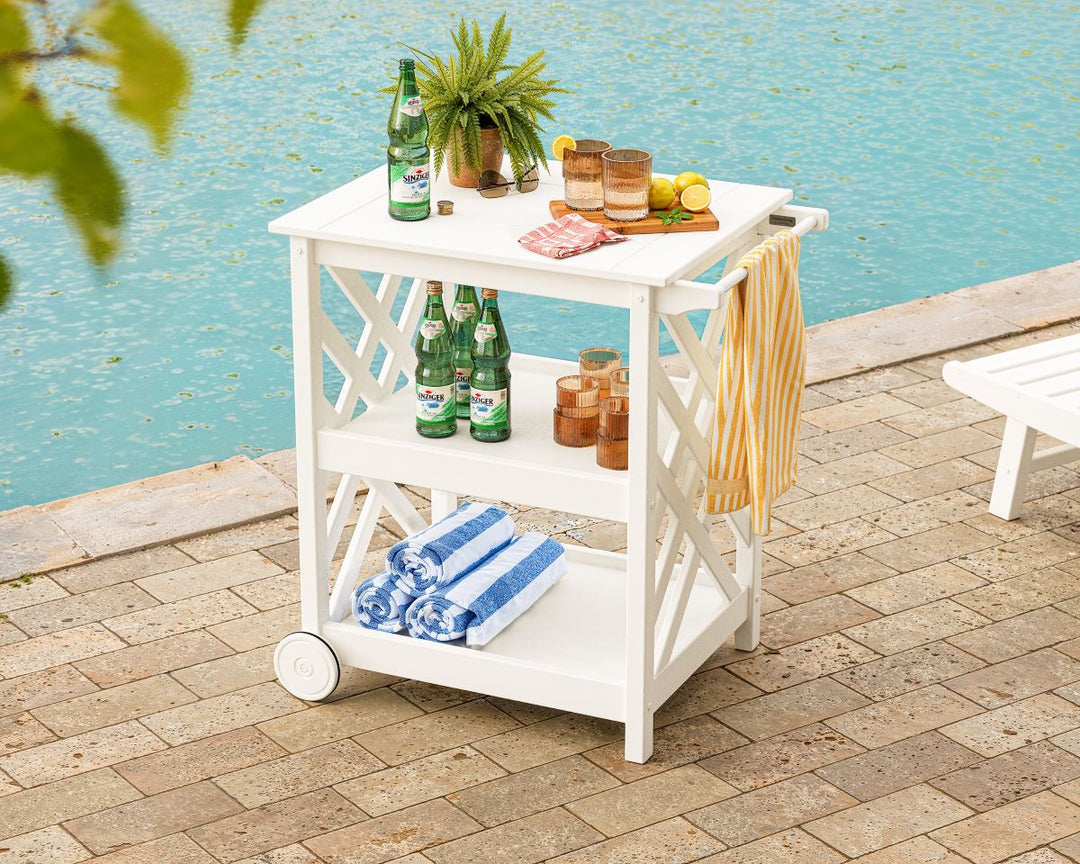
  • Tables with extra shelving
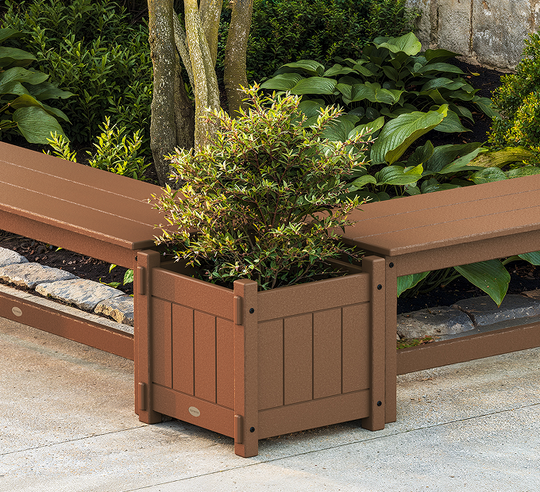
  • Benches doubling as plant stands
Two views show a grey POLYWOOD 68 Inch Console Table with Storage by a brick wall, closed on the left and open on the right.
Featured: 68” Console Table with Storage in Slate Grey

Keep Proportions in Mind

Select proportional pieces to ensure an attractive outdoor aesthetic.

How Proportions Impact Aesthetics and Functionality

Proportion is the relationship between an object's dimensions, scale, balance, and symmetry. Well-proportioned furniture is aesthetically pleasing, fits the size and shape of your new house's outdoor floor plan, and is comfortable and easy to use.

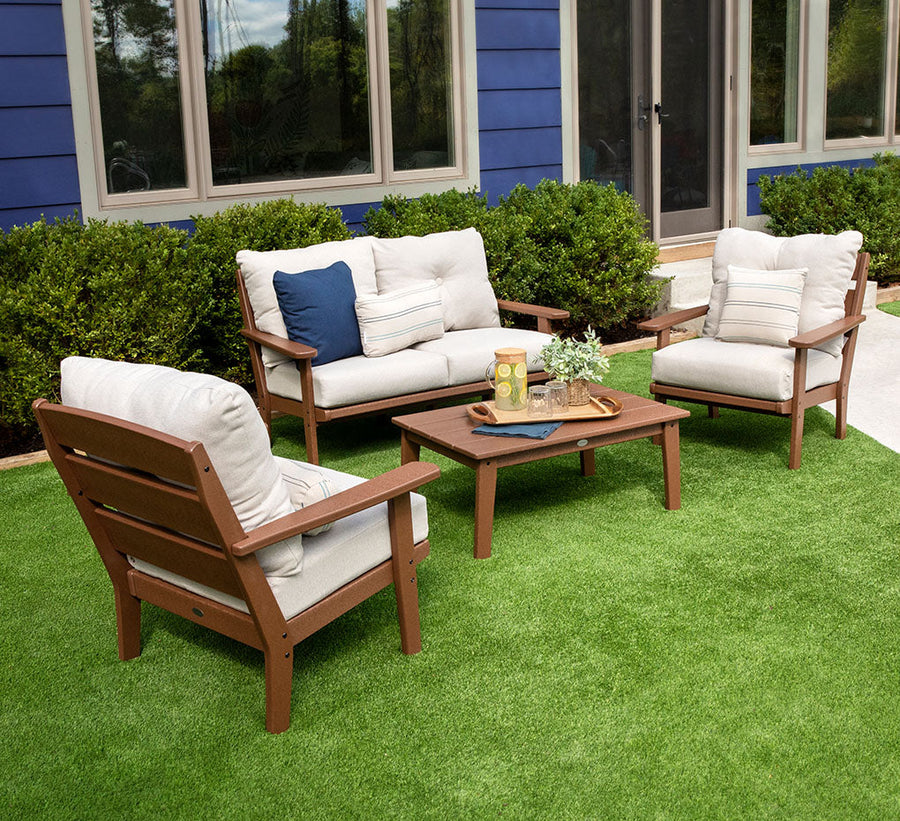
A POLYWOOD Chinoiserie 4 Piece Deep Seating Set with Sofa and a lemonade tray sits on a flagstone patio by cobblestone walls.
Featured: Chinoiserie 4-Piece Deep Seating Set with Sofa in Sand/Natural Linen

Use the 70/30 Split

Follow the lead of professional designers who swear by this decorating rule that blends different styles into a space within distinct proportions to complete a pleasing aesthetic. Simply decorate 70% of your outdoor space with your chosen style, then dedicate the remaining 30% to another motif (or two) you can dapple into the room.

Make Comfort a Priority

Aesthetics certainly matter, but comfort plays a vital role in outdoor experiences.

The Importance of Comfort in Furniture

If your gorgeous new dining set offers little legroom and leaves guests with cramped thighs and sore knees, you may need to rethink your furniture selections. Attractive and relaxing products let you lounge for hours in complete comfort—and look good while doing it.

How to Balance Style With Comfort

  • Blend various textures to enhance relaxation and visual appeal.
  • Mix and match different design styles.
  • Layer outdoor rugs, blankets, and pillows in varying colors and patterns to add interest and comfort.
  • Avoid overcrowding the space.
  • Add a touch of nature with potted plants.
Feet are propped on a black POLYWOOD EDGE Coffee Table near EDGE Club Chairs and a Modular Ottoman with white cushions.

The Importance of Balance in Design

Balance creates order and visual stability, allowing every element in an outdoor aesthetic to hold interest. A balanced outdoor setting is attractive, cohesive, and offers a clear focal point.

Explore More Outdoor Decorating Content

Caitlin-Evans-author-bio-photo

Caitlin Evans

Cait is an Indiana-based creative content writer who has been with POLYWOOD since 2020. She’s a Purdue alumna, a proud logophile (word nerd), and an advocate of the Oxford comma. In her free time, Cait loves gardening, cooking, running, camping, and spending time with her husband and four fur children.