















Pergola vs. Gazebo vs. Pavilion vs. Cabana: Similarities & Differences
|
|
|
Time to read 8 min
 POLYWOOD
Easily build your wishlists, or save them for later to add to the cart. Click here for details.
Main Menu - Mobile
|
|
|
Time to read 8 min
Pergolas, gazebos, cabanas, pavilions — they’re all excellent backyard additions. However, they're very different, and one may be better for your lifestyle than another. To help you choose the most suitable build, we've put all the relevant information you need to know in one easy-to-read guide.
We've also tapped into the mind of Anthony Carrino, a renowned interior designer and home improvement expert, who has lots of ideas and advice to share on this subject.
In This Article
To get started, let's address this common question. The term “gazebo” refers to any freestanding outdoor structure with a roof and open sides. Pergolas fall under the gazebo category, as do rotundas, kiosks, and arbors.
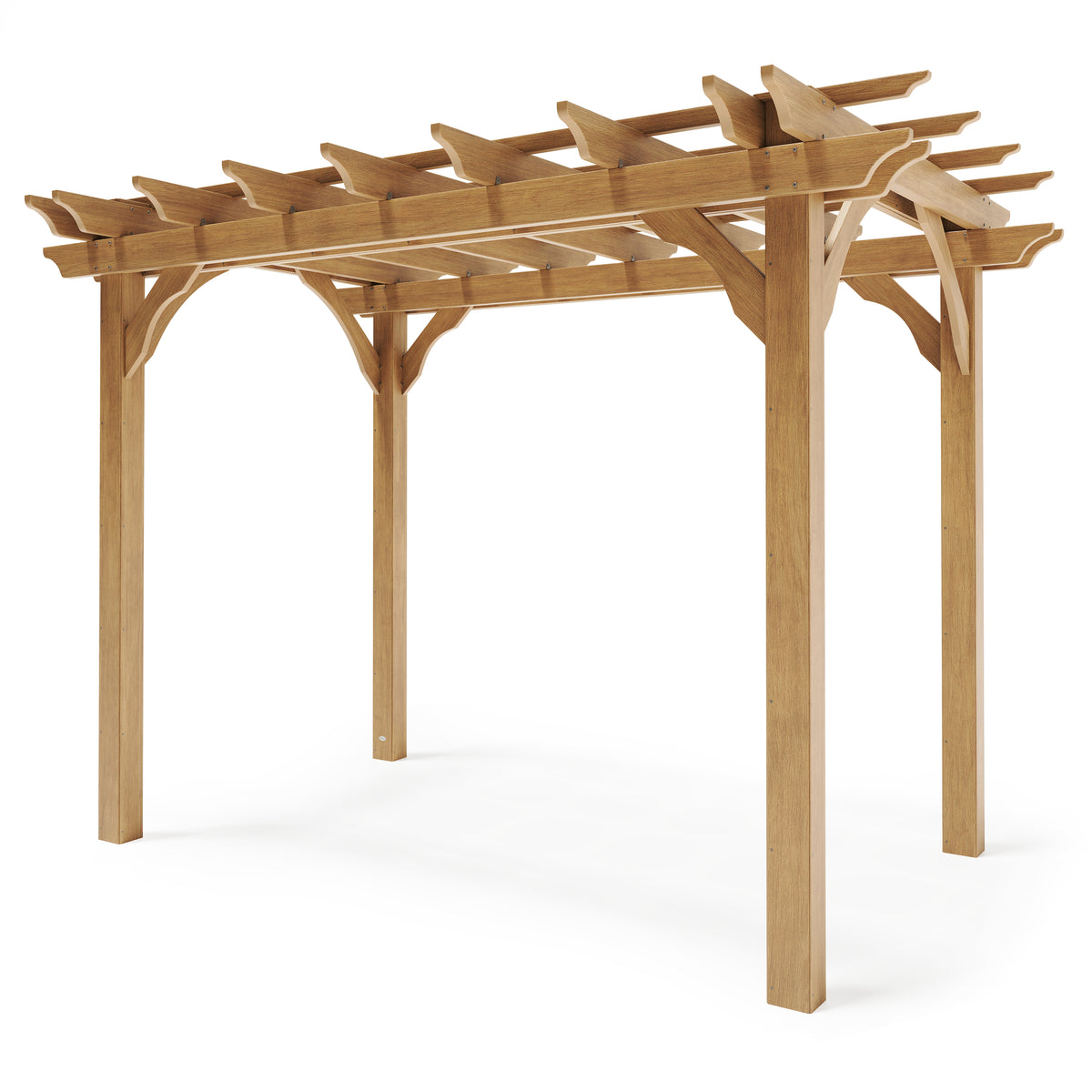
A pergola is a structure that creates a shaded area for your outdoor space. It's a type of gazebo generally built with vertical posts that support crossbeams or an open lattice roof. Pergolas are often decorated with climbing plants or string lights.

A gazebo is a freestanding outdoor structure with a solid roof and open sides, commonly used in backyards, parks, and event spaces for relaxation and entertaining. Typically built from wood with a shingled roof, it provides shade, shelter, and a stylish focal point in outdoor living areas. Variations include pergolas, arbors, kiosks, and rotundas, each with distinct architectural features.
Though “gazebo” refers to a category of outbuildings, particular designs have become attached to this term over time. The traditional outdoor gazebos we see dotting parks and public spaces across the U.S. are round or polygonal-shaped, with wooden frames and metal roofing or asphalt shingles. They sit on raised platforms with steps leading up to the entrance, and you wouldn't build one as an attachment to your home. "Gazebos are meant to be standalone structures," Carrino says. "They have fully framed floors and roofs, and typically have railings all the way around, or are fully screened in."

A pavilion is a freestanding permanent structure with open sides and a solid roof. The design provides full shade overhead and protection against rain, while still feeling airy. Unlike patio gazebos and cabanas that are cozier and partially enclosed, pavilions are purpose-built for larger spaces and events.

A cabana is a small, freestanding outdoor structure commonly found near swimming pools or beaches. It has a solid roof for shade and shelter, and all but one side is enclosed by walls or curtains for enhanced privacy in outdoor settings.
"From a design and aesthetic perspective, you can build a pergola, cabana, pavilion, or gazebo to fit any aesthetic you are trying to achieve," Carrino states. "But as a general rule, a gazebo leans more traditional, while a pergola offers flexibility for any aesthetic. Cabanas provide a cozy, private retreat, while pavilions are better fits for spacious, open areas."
Aesthetics are a significant factor to consider when comparing the four structures, and there are other aspects to keep in mind, such as cost, installation, permits, etc. Let's delve further into these details.


Pros |
Cons |
|
HDPE |
Very low-maintenance, weather-resistant, available in many colors, durable, never needs refinishing |
Heavier and higher price point than most other materials |
Powder-coated aluminum |
Lightweight, durable, rust-resistant, offers a sleek look | Can become hot in direct sunlight, dents more easily than other metals |
Fiberglass |
Durable, low-maintenance, resistant to weather and pests | Difficult to repair, fewer style options, most expensive material option |
Wood |
Offers a warm, traditional look and easy to customize | Needs regular refinishing and maintenance, shorter lifespan than other materials, can attract pests, can warp or rot |
Vynil |
More affordable option, low-maintenance, resistant to rot and moisture | Can yellow or become brittle over time, less durable than other materials |
An arbor is a small structure used as a landscaping or entrance accent. Most have rounded roofs, and they're typically built from wood or metal.
A trellis, on the other hand, is an outdoor decoration meant to support climbing plants. The frame is tall, flat, and thin, with no roof. It’s typically made of wood, metal, or plastic pieces arranged in a lattice or grid pattern. These structures bring visual interest to garden walls, fences, and other vertical surfaces.
Both arbors and trellises are smaller than pergolas, pavilions, cabanas, and gazebos. They’re meant more as decorative elements and offer little or no shelter from the sun and other elements.

Caitlin Evans
Cait is an Indiana-based creative content writer who has been with POLYWOOD since 2020. She’s a Purdue alumna, a proud logophile (word nerd), and an advocate of the Oxford comma. In her free time, Cait loves gardening, cooking, running, camping, and spending time with her husband and four fur children.
Are you missing items in your cart? Sign In


