






 POLYWOOD
My Wishlist
Easily build your wishlists, or save them for later to add to the cart. Click here for details.
POLYWOODEasily build your wishlists, or save them for later to add to the cart. Click here for details.
Main Menu - Mobile

Does your cabin need new furniture, but you’re unsure which materials work best in wooded areas? You’ve come to the right place. We’ve done the legwork so you can shop with confidence and pick the perfect products for your secluded sanctuary.
We’ll discuss function—not form—because while tastes vary, some materials are simply better suited to rural life. Selecting well-built furniture made from high-quality materials will save you money, time, and stress in the long run.
While conditions vary by location, many areas share challenges like wildlife, cooler and humid climates, wet weather, tree debris, pollen, and sap. Choose furniture materials that can endure these elements with minimal maintenance. Some materials will rise to the occasion, while others won’t.
Leaves, branches, and entire trees will fall during stormy weather. Since cabins are situated right in the thick of nature, the likelihood of sustaining damage from falling debris is high.
It can get breezy in the woods, and the winds increase at higher altitudes. While the trees surrounding your cabin act as natural barriers, gusts can still sneak through.
Forest environments are cooler because trees block sunlight from reaching areas below the canopies. Plus, trees sweat to stay cool through a process called transpiration. When the weather heats up, plants release excess water from their leaves, which evaporates into the air. This lowers the plants’ surface temperatures and that of the surrounding landscape.
In addition, air pressure decreases as altitude increases. The atmosphere is thinner in higher regions like mountains, and as the pressure reduces, so do the air temperatures.
Weather conditions vary by location, but they all have one thing in common: water. Cabins in colder climates contend with blizzards and ice, while those in warmer locales experience rainy seasons yearly.
Certain furniture materials are more susceptible to damage when exposed to plant byproducts like pollen, sap, and resin.
Living in the forest means some of your closest neighbors are woodland creatures. While they’re often exciting to see, animals don’t understand property lines and will roam into your backyard in search of food, shelter, or nest fodder. This can lead to extensive and expensive repairs that your home insurance policy may not cover.
Damages caused by large animals like bears are usually covered, but many insurance companies view small animal damages as “preventable situations” and typically don’t offer reimbursement in these cases.
Explore the benefits and drawbacks of common outdoor furniture materials chosen for cabin homes.
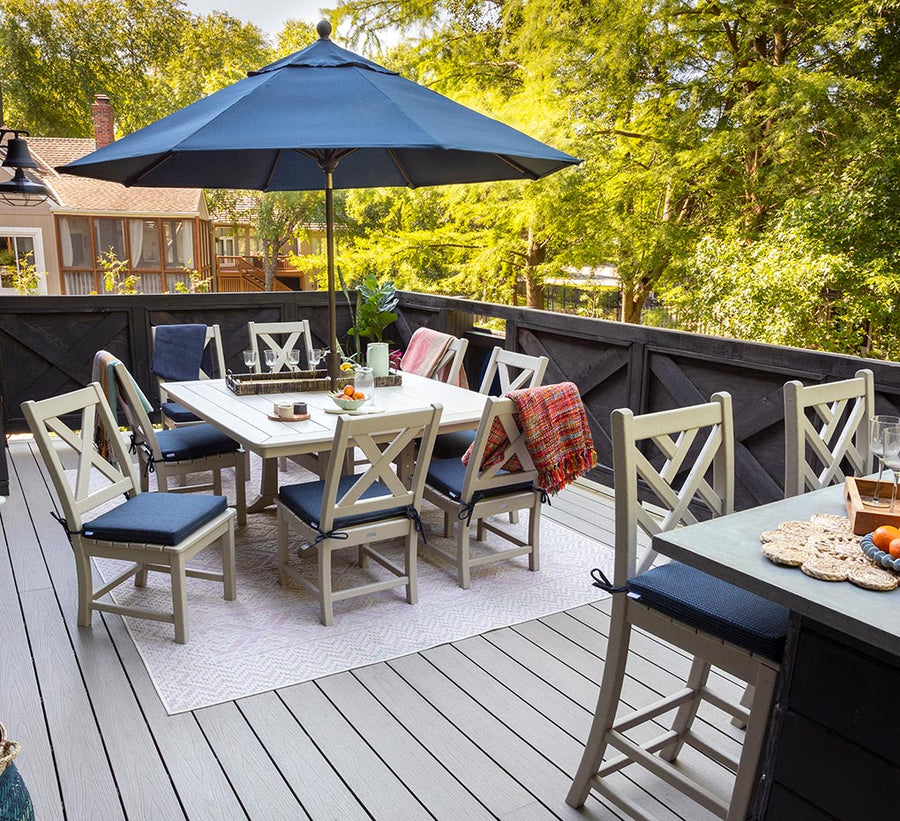
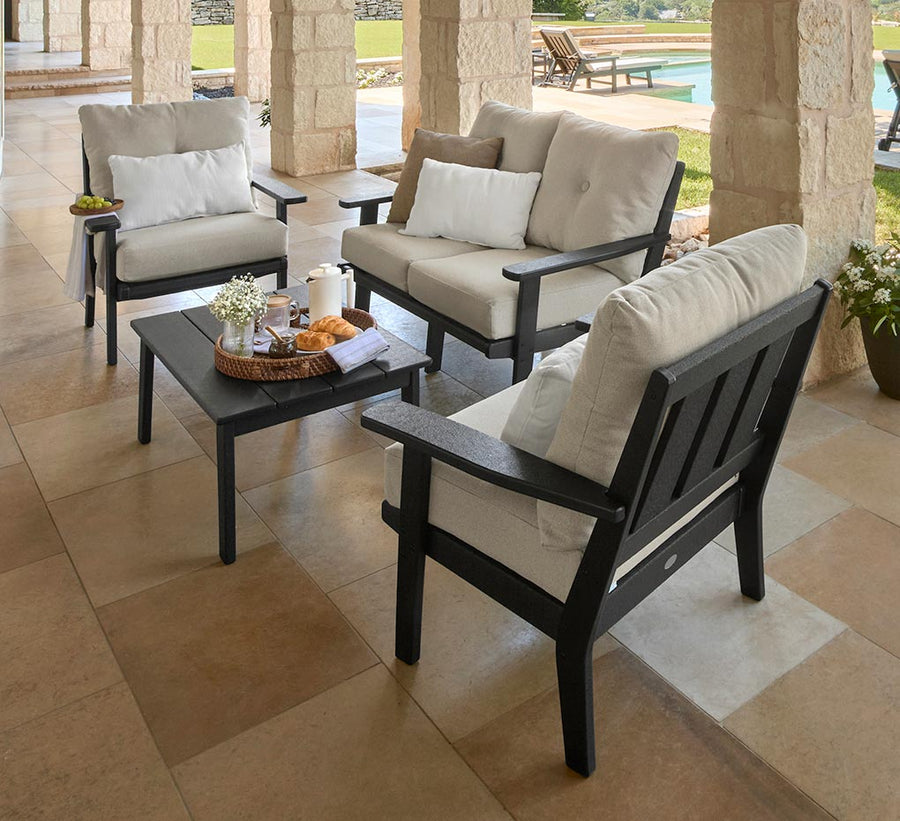
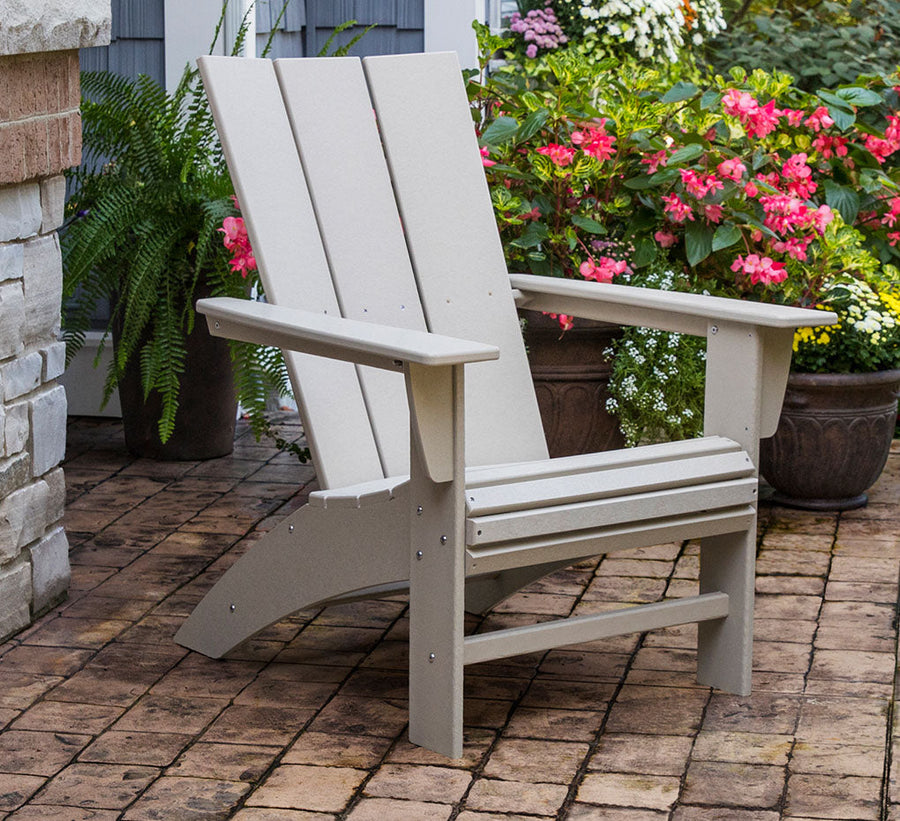
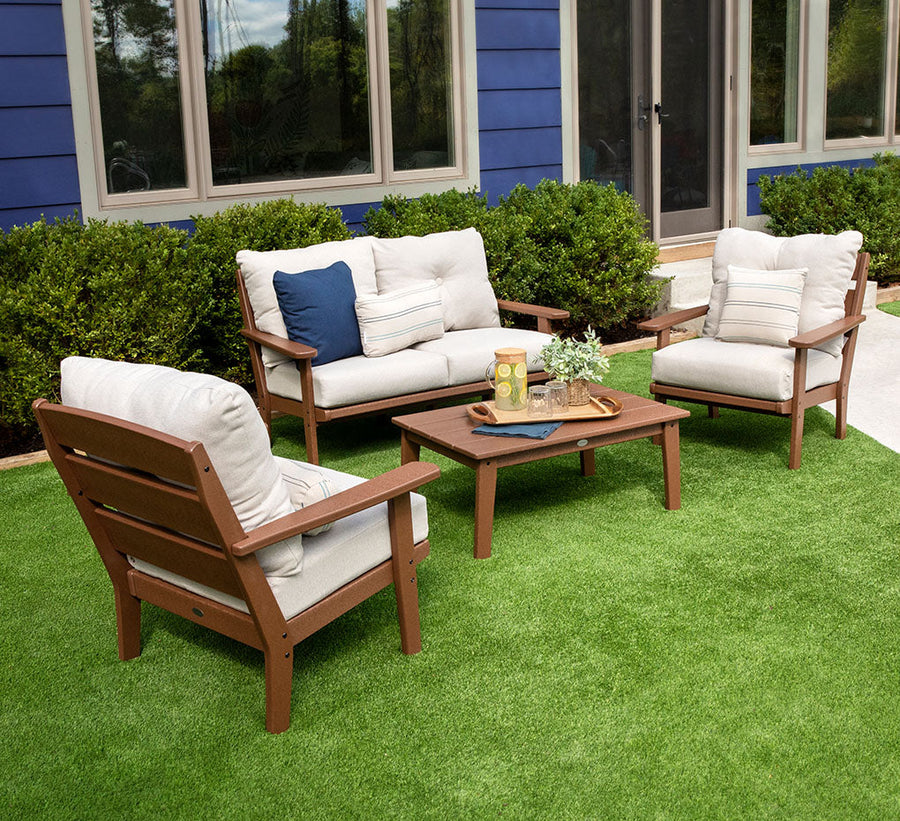
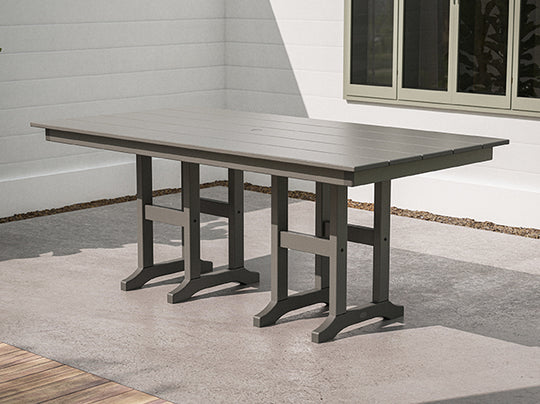
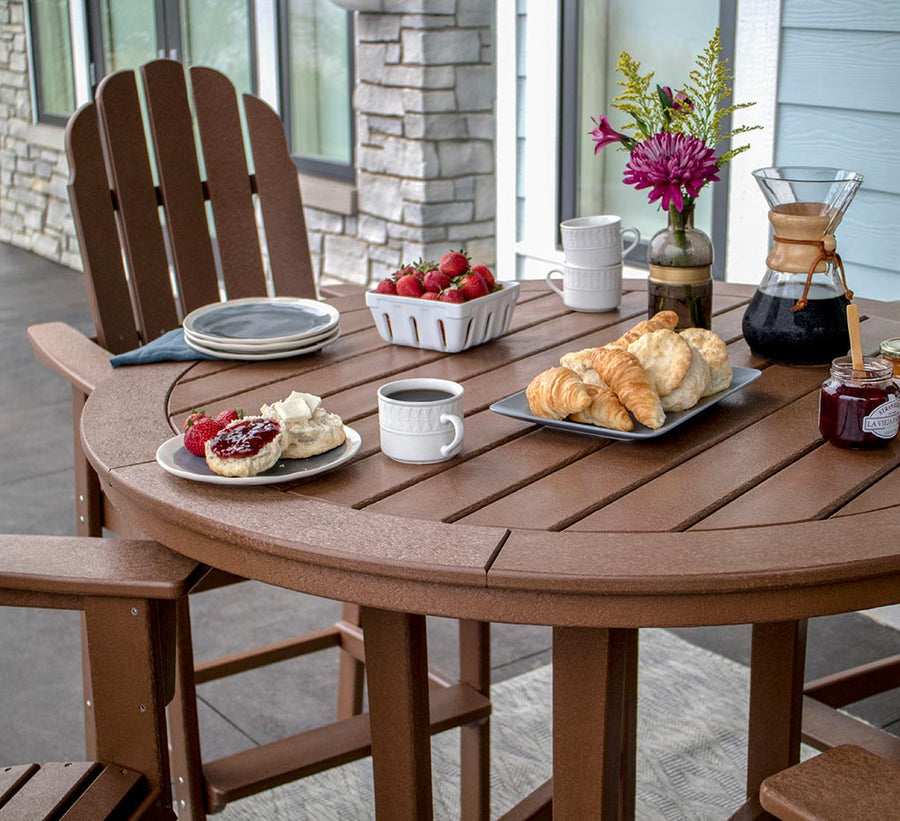
Since cabins are typically located in remote and wooded settings, homeowners turn to HDPE because it's durable and low-maintenance.
Resin wicker is woven from man-made materials, resulting in furniture with all-weather performance and a rustic appeal.
Teak, oak, and other hardwoods suit cabin aesthetics with their natural beauty and organic textures.
Injection-molded plastic is a lightweight, budget-friendly furniture option for cabin owners.
Homeowners often choose aluminum outdoor furniture for its lighter weight, which is practical for easy maneuverability in wooded or mountainous areas.
Wrought iron is a common furniture choice for cabins because of its rustic appearance.
Log cabins are often built from softwoods like pine or cedar, and many homeowners pick outdoor furniture made from the same materials to create a cohesive look.
Natural wicker, made from bamboo, willow, reeds, and other organic fibers, can bring a warm, homespun feel to cabin settings. However, it's best to keep this delicate furniture indoors.
Outdoor patio furniture made from durable materials like HDPE plastic, teak wood, and powder-coated aluminum can stay outside all year long. These materials can handle inclement weather and harsh climates and don’t require a lot of upkeep to maintain their good looks. That being said, covering furniture when you aren’t using it is always a good idea. This prolongs its life and makes future cleanups quick and easy.
Outdoor furniture made from non-porous materials works best in rainy weather. Since HDPE and other plastic materials can’t absorb moisture, they’re impervious to rust, corrosion, and water-induced warping.
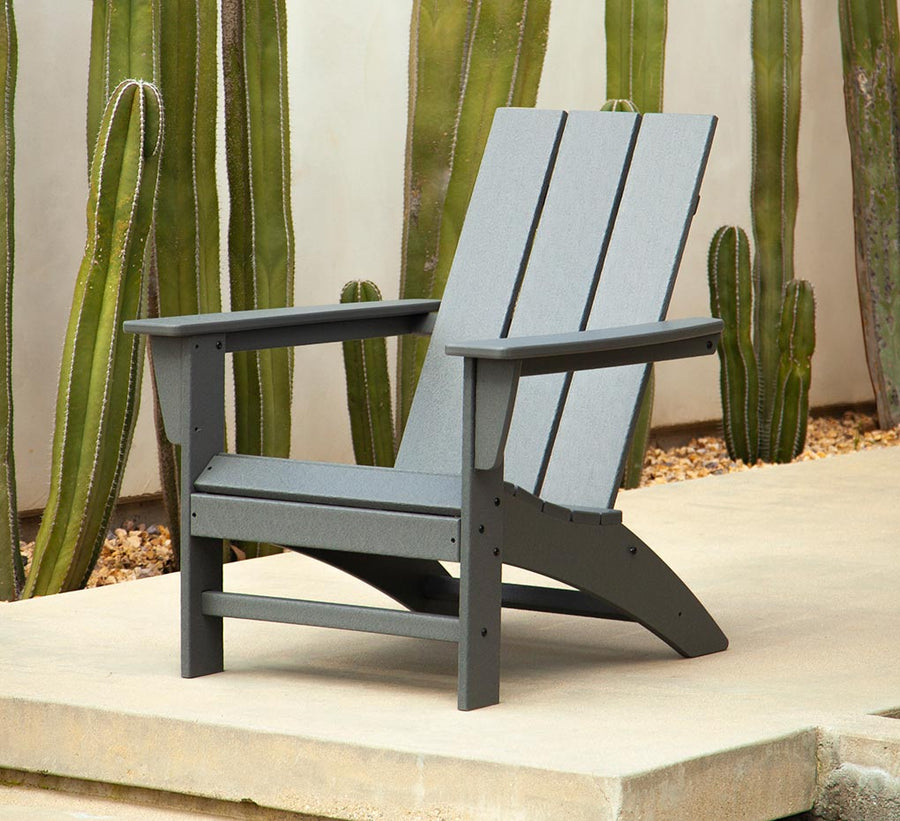
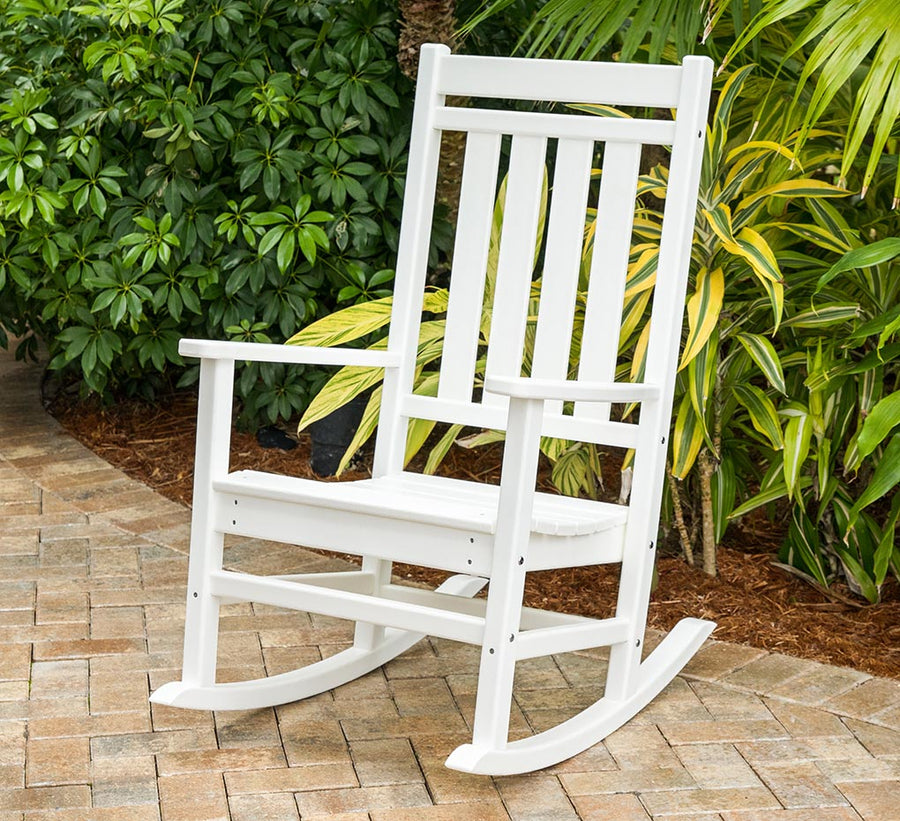
Screened-in porches offer more protection than other outdoor living spaces, so you can be more lenient in your furniture choices. However, you still have to deal with outdoor temperatures, and UV rays, wind, and humidity can sneak through screens. Knowing this, look for furniture pieces made from durable materials like HDPE or synthetic wicker. Choose rocking chairs and Adirondacks in these materials to get the classic look you love without the upkeep.
The best outdoor fabric options are made from synthetic materials that can withstand the elements, such as solution-dyed acrylic and polyester. These fabrics are resistant to fading, mildew, and UV damage. They're also water-resistant and easy to clean, making them a good choice for outdoor furniture and cushions.
Are you missing items in your cart? Sign In


