






1. Home
  2. Furniture For Community Centers

Furniture For Community Centers

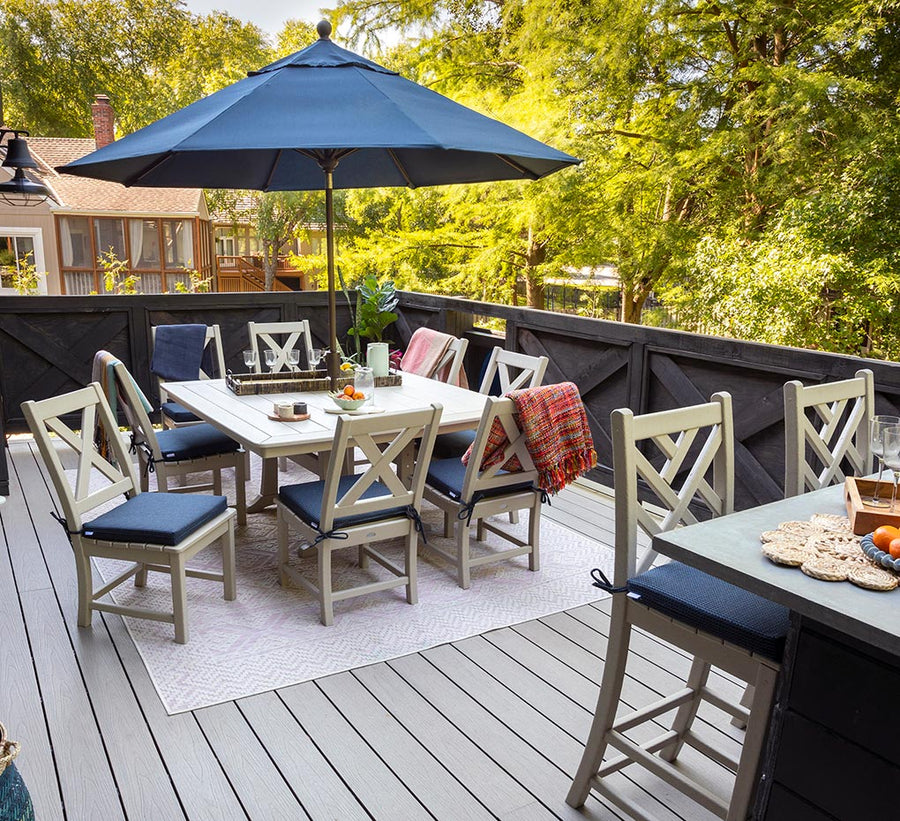
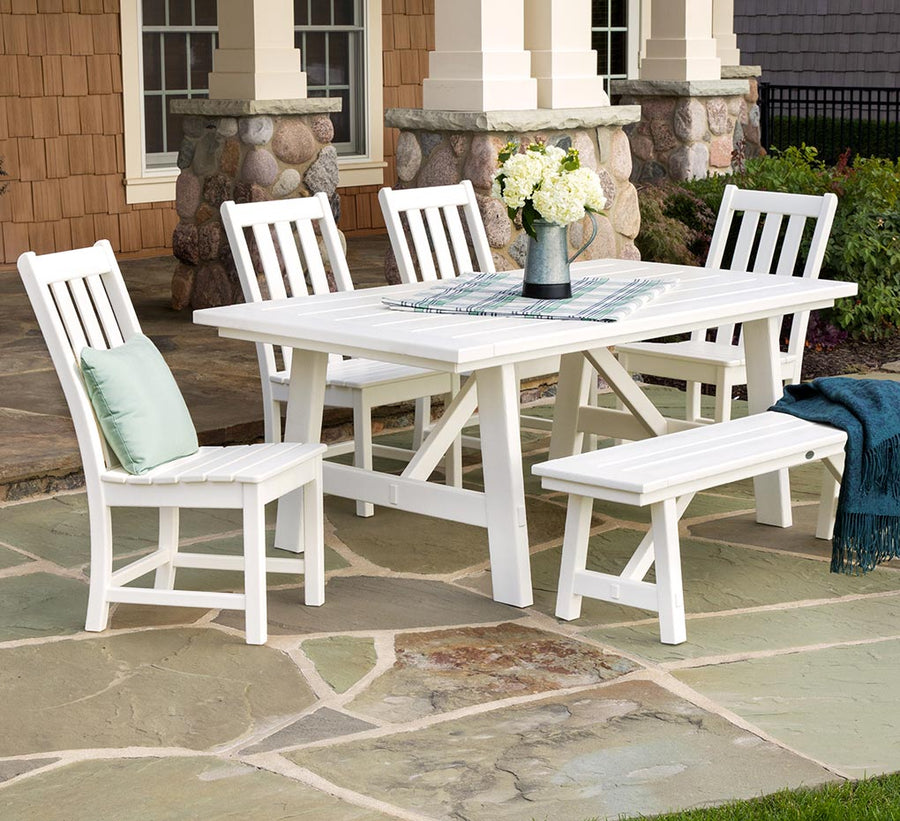
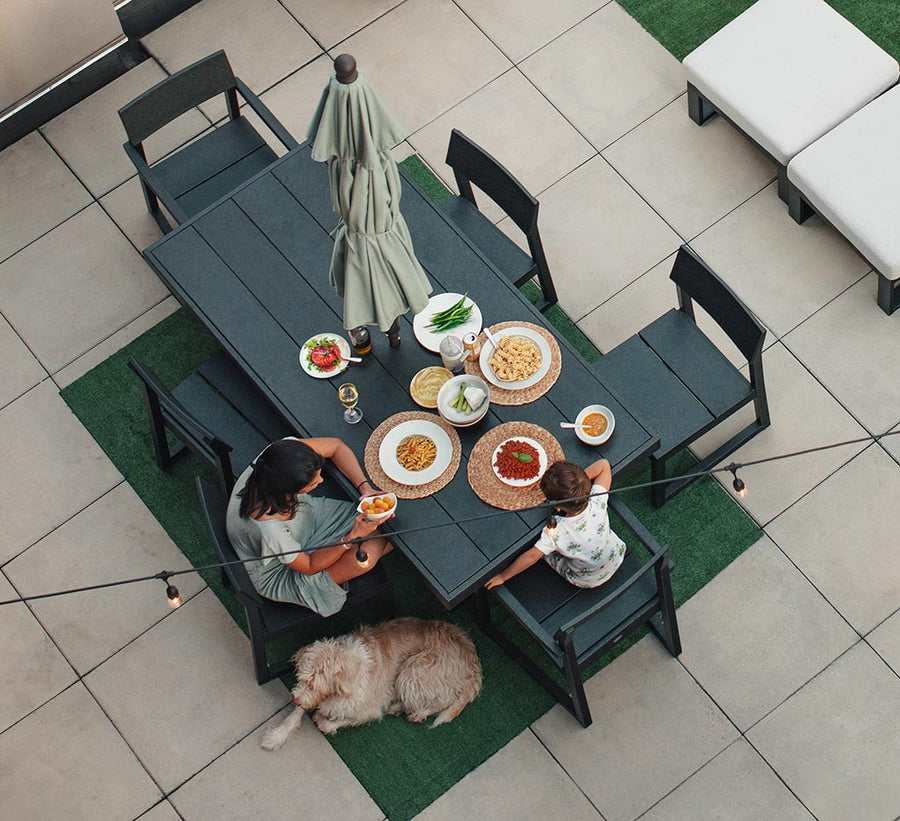
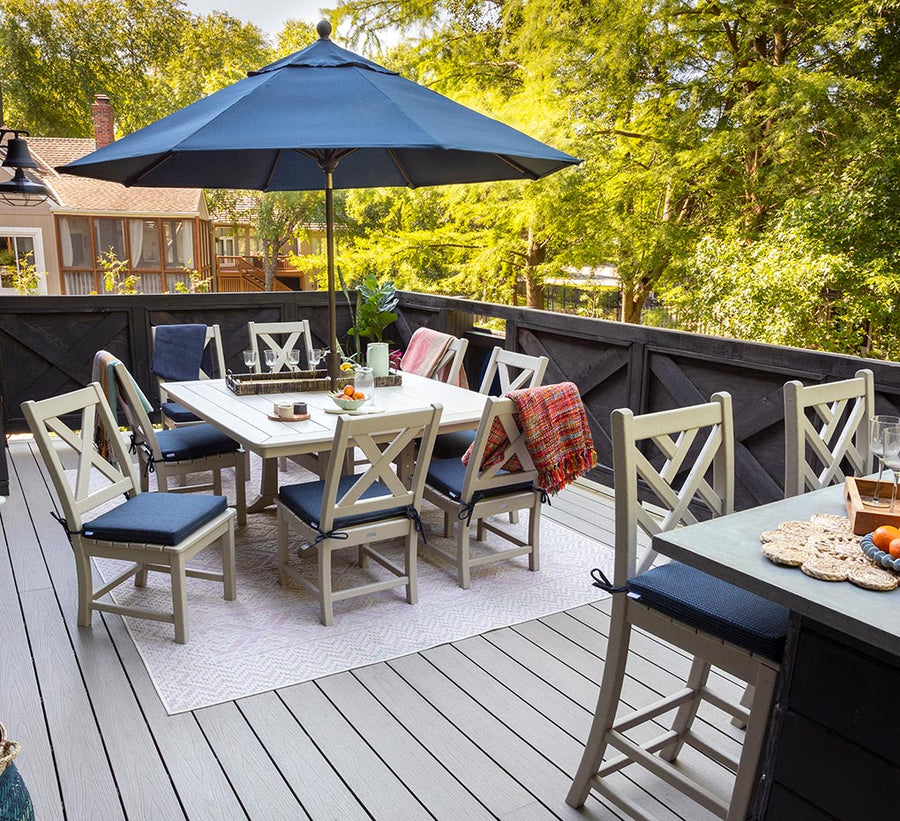
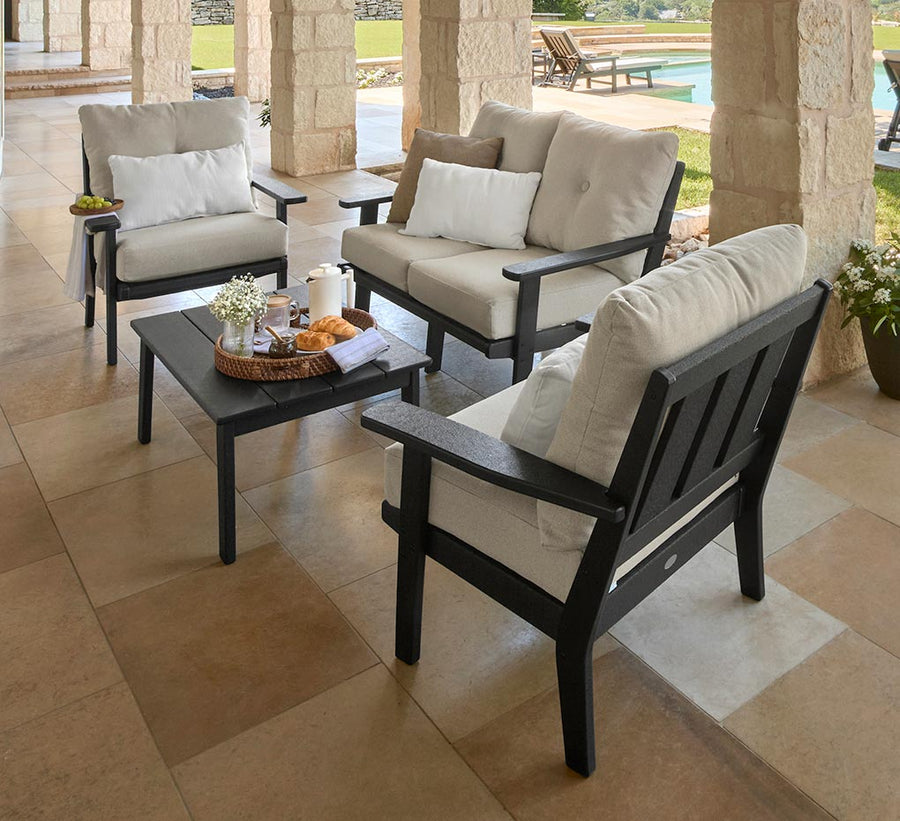
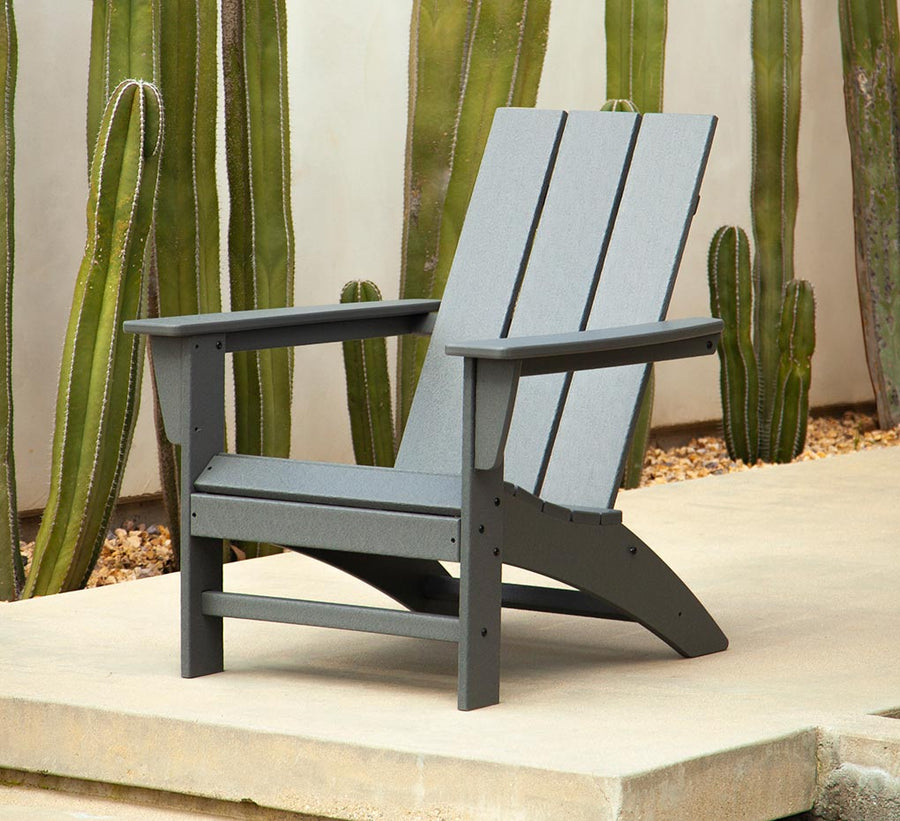
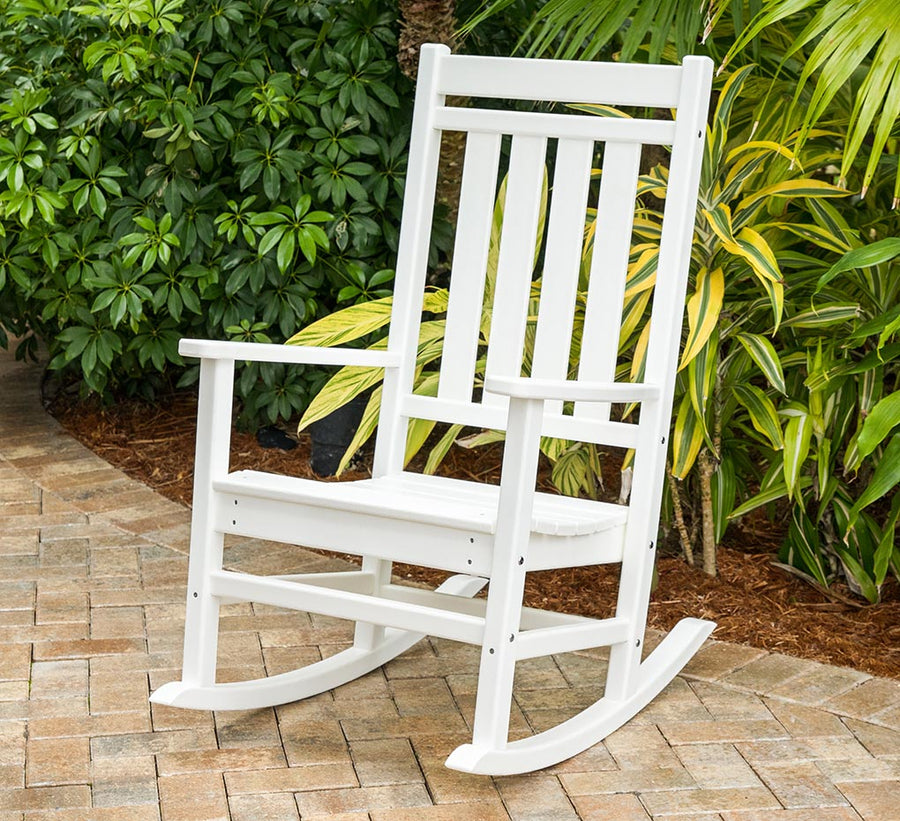
Explore furniture for community centers to create welcoming outdoor spaces for members, visitors, and local events. Browse options for shared patios, courtyards, and gathering areas, keeping your available space, everyday use, and layout in mind to allow comfortable gathering and clear paths for foot traffic.

Read More

Filters

Applied filters

Furniture For Community Centers

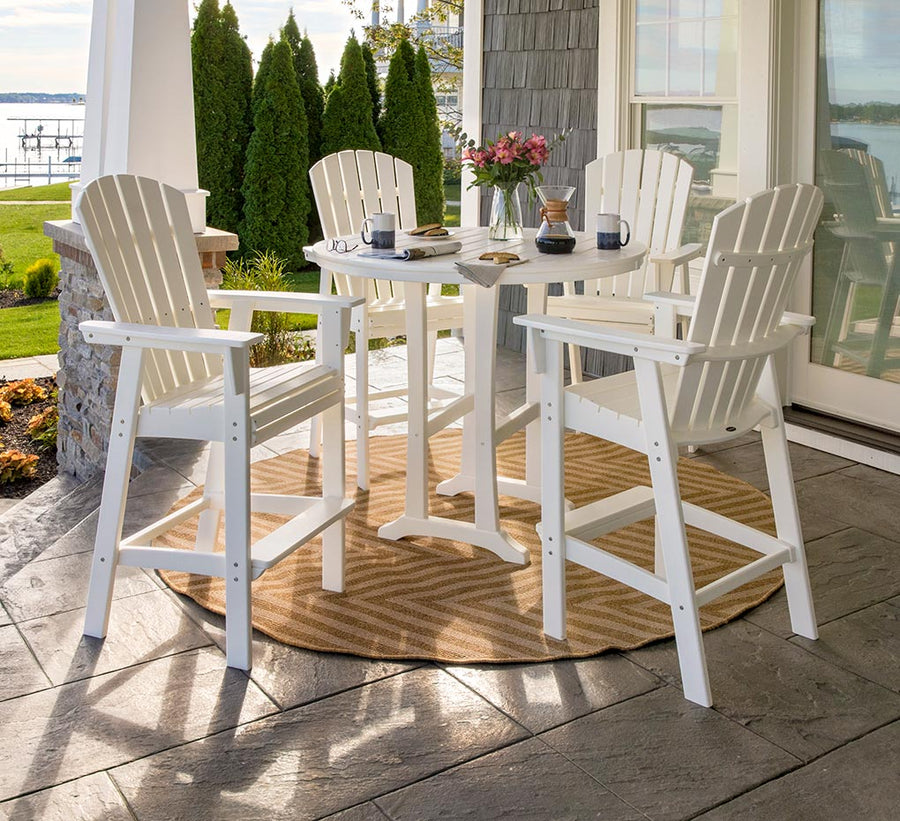
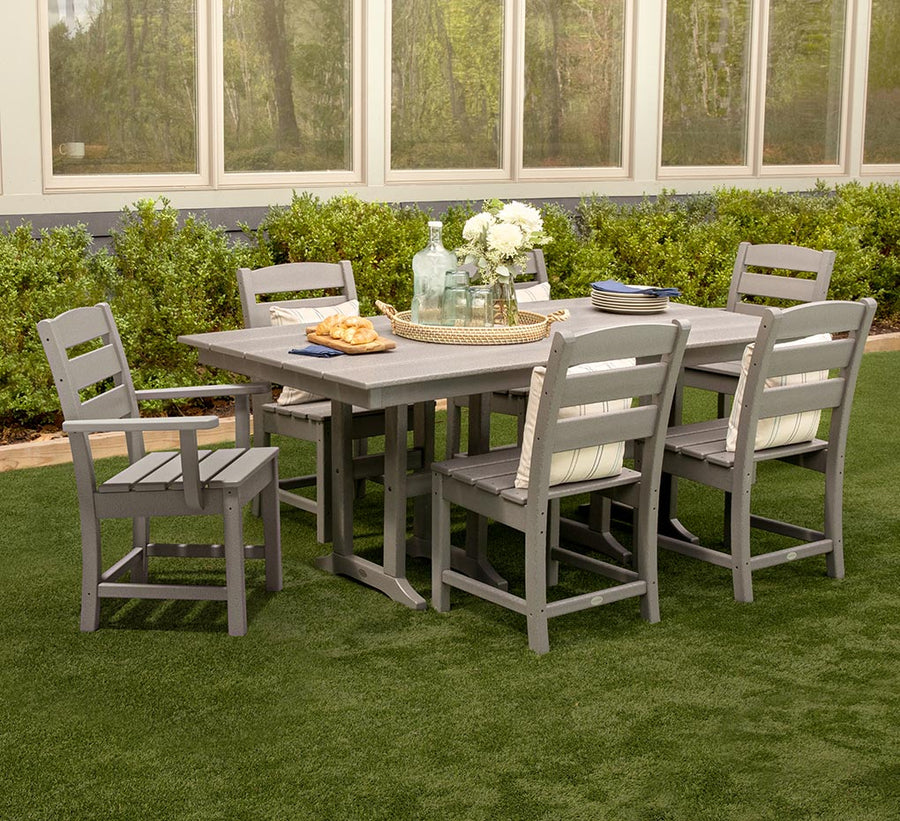
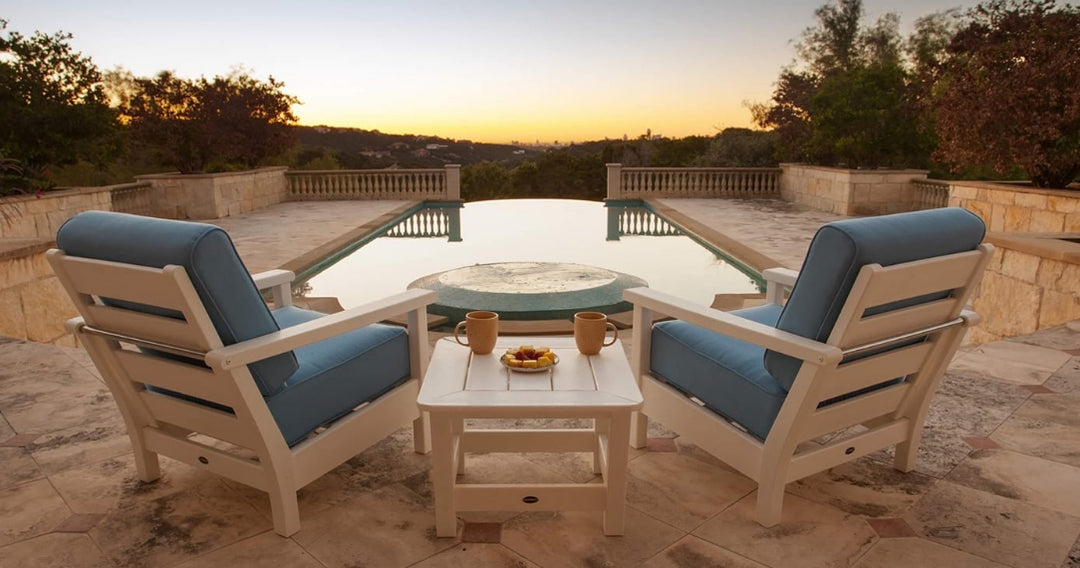
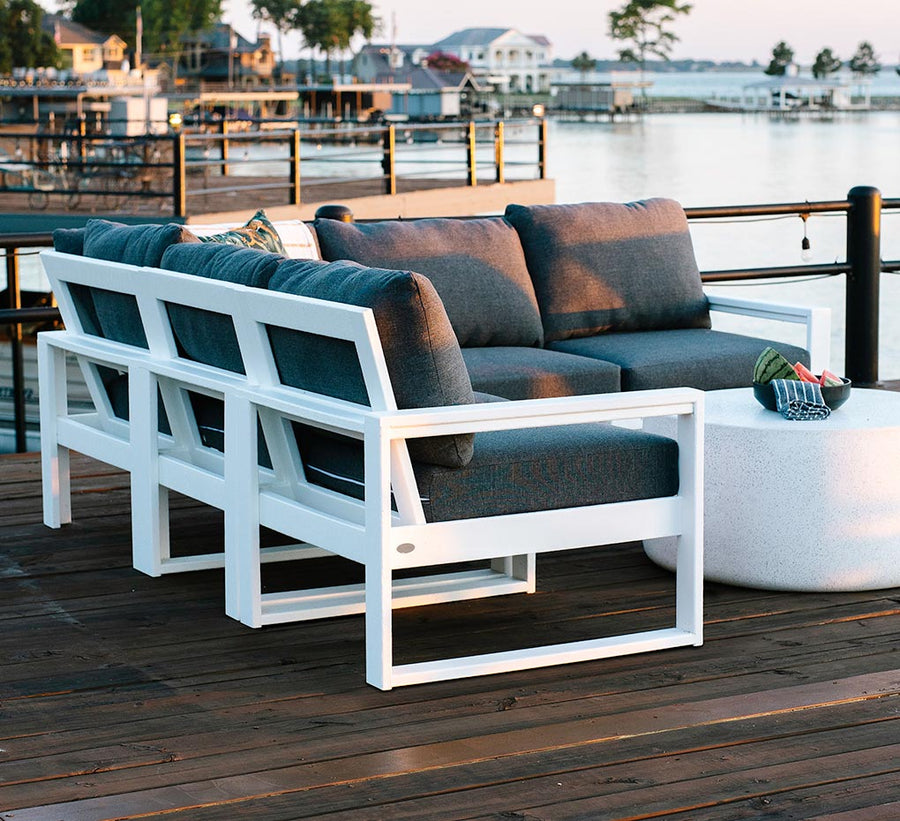
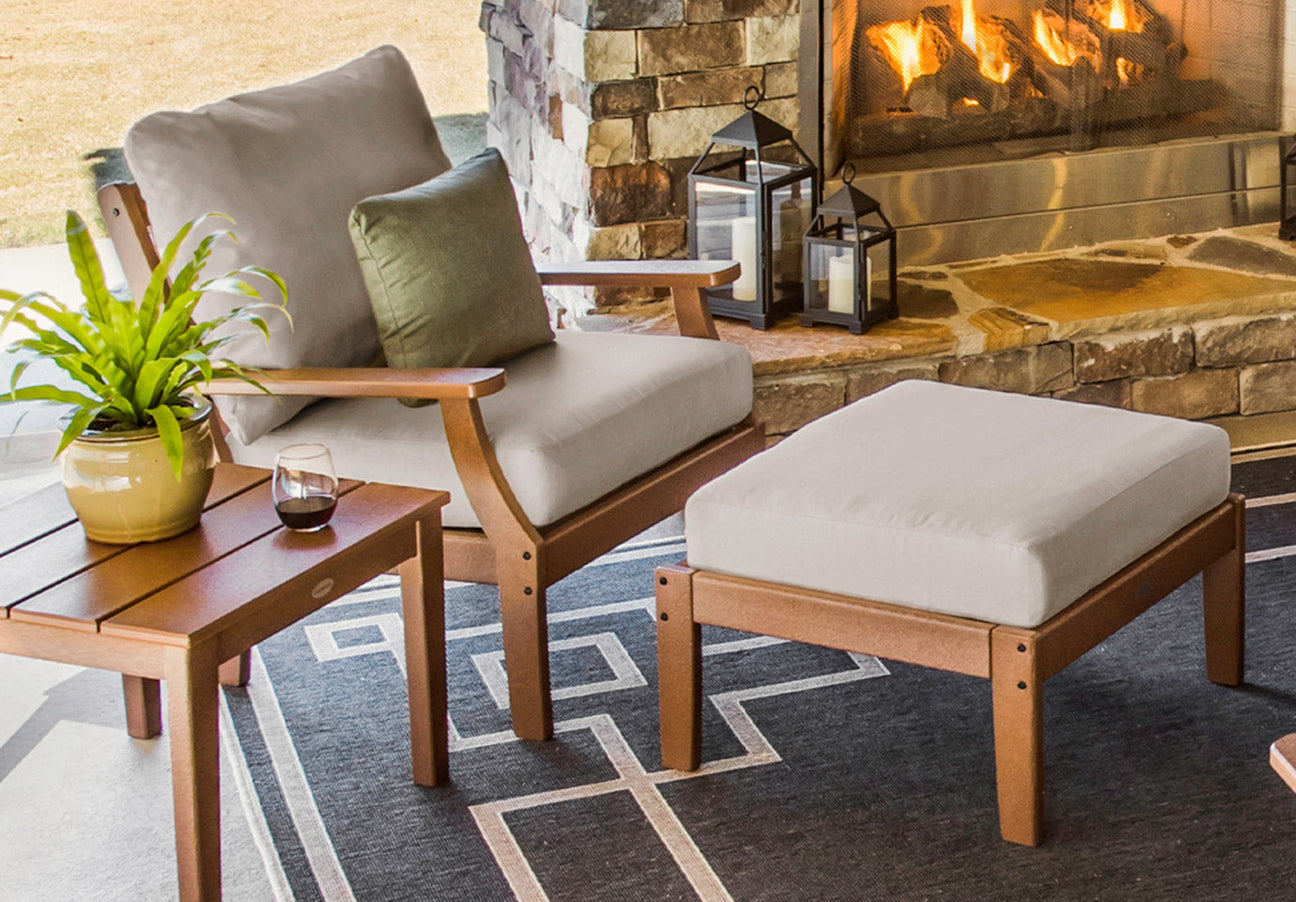
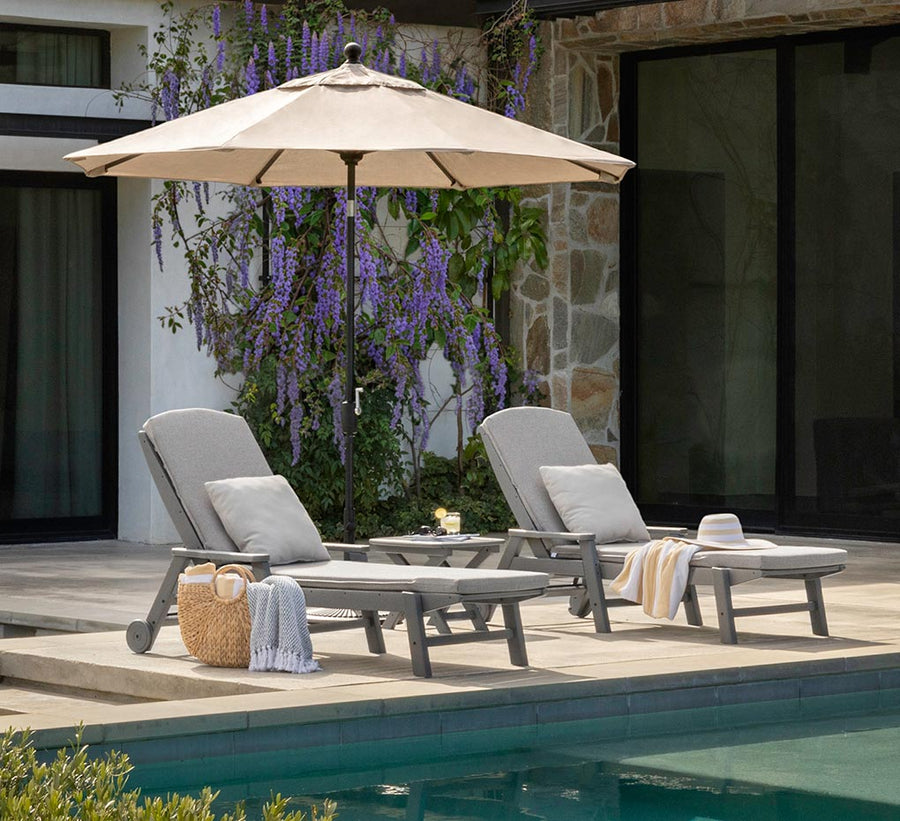
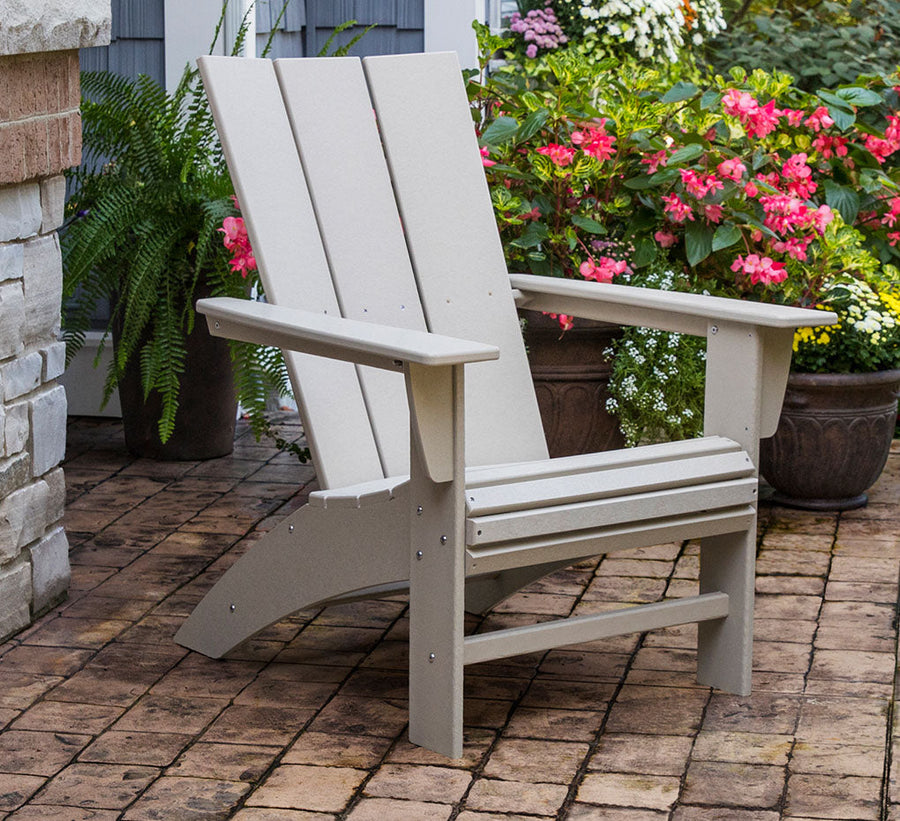
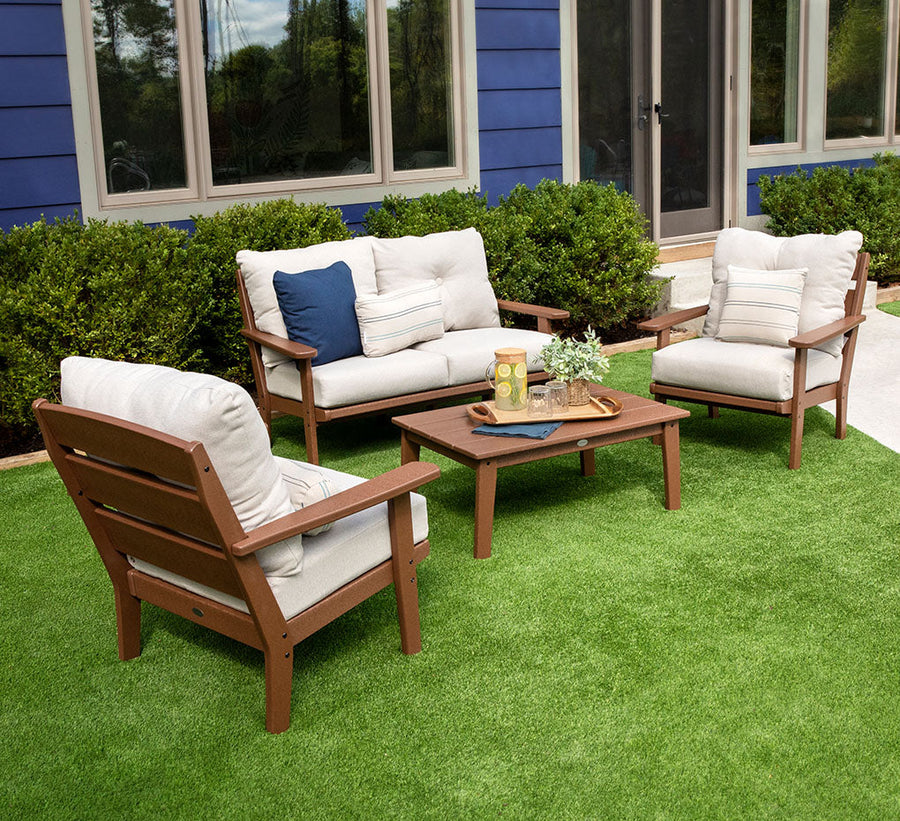
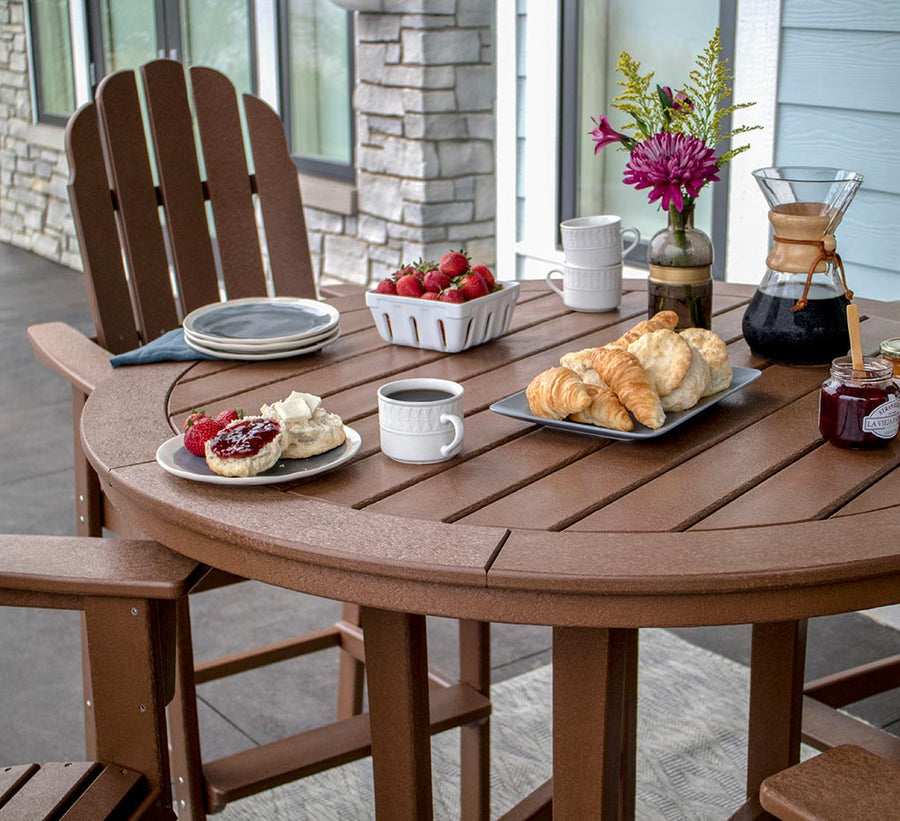
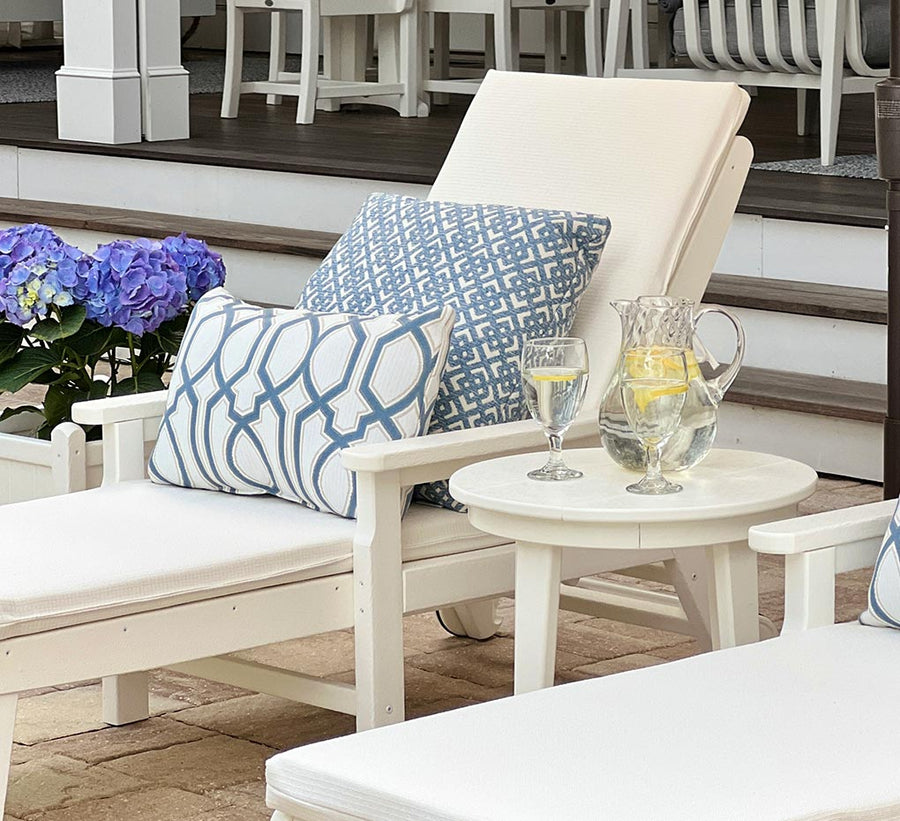
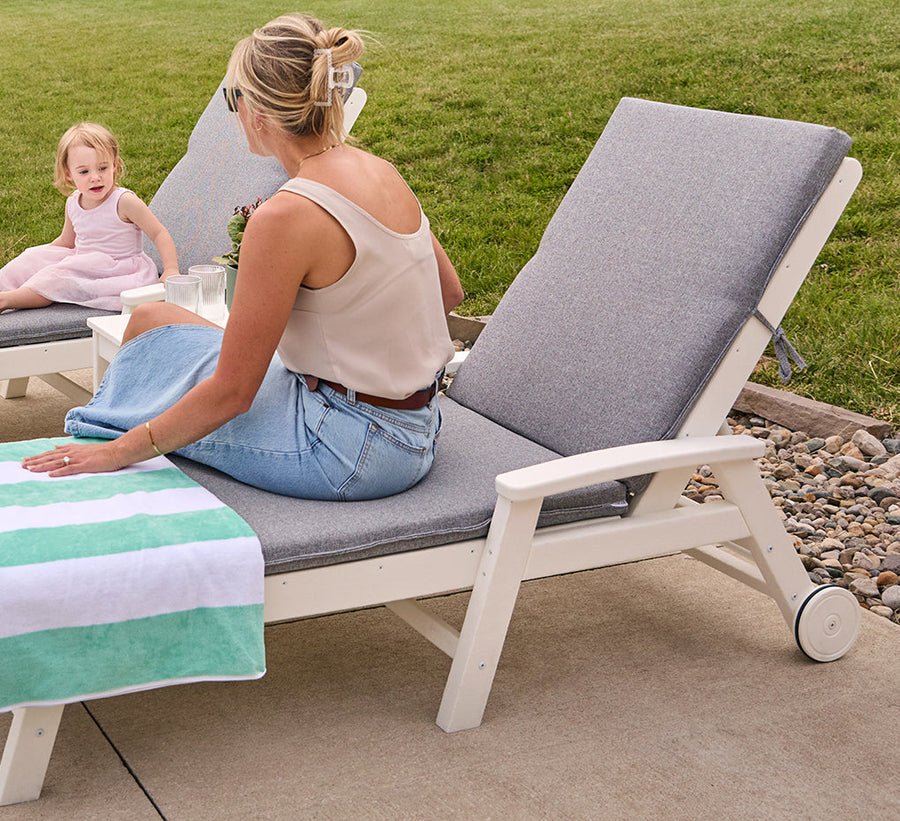
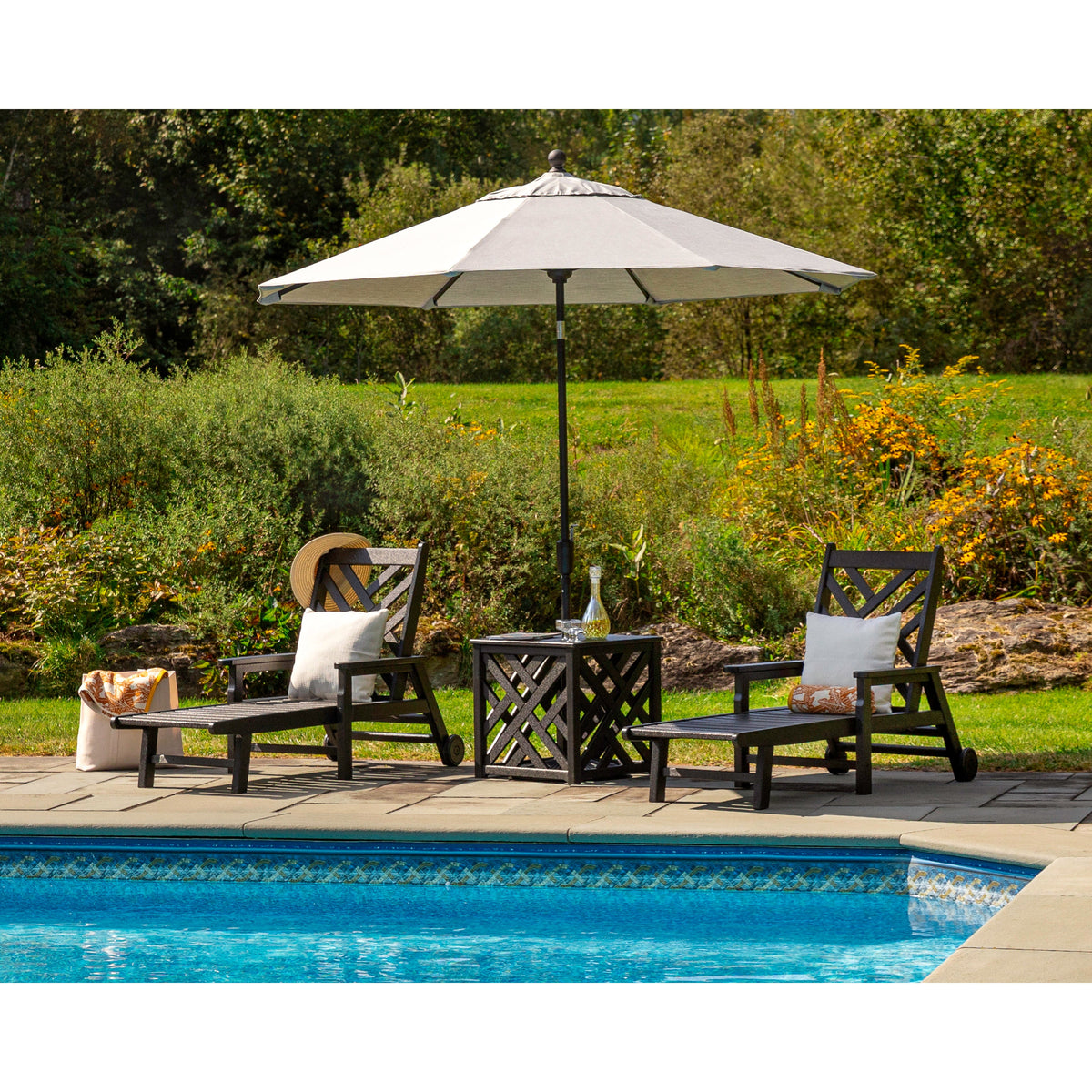
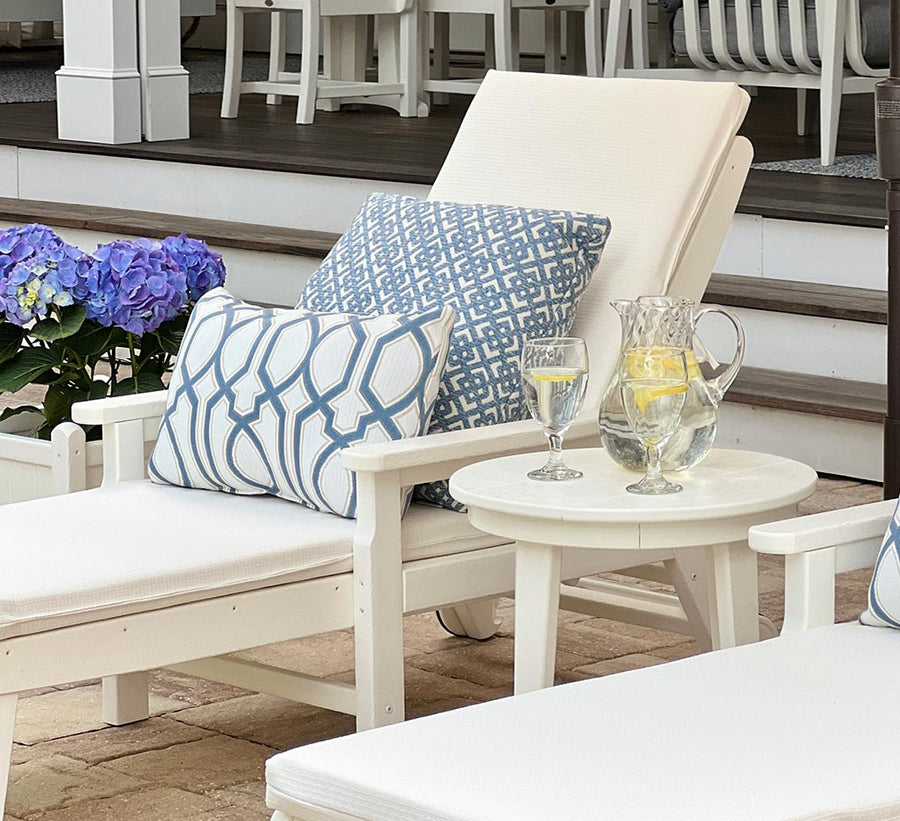
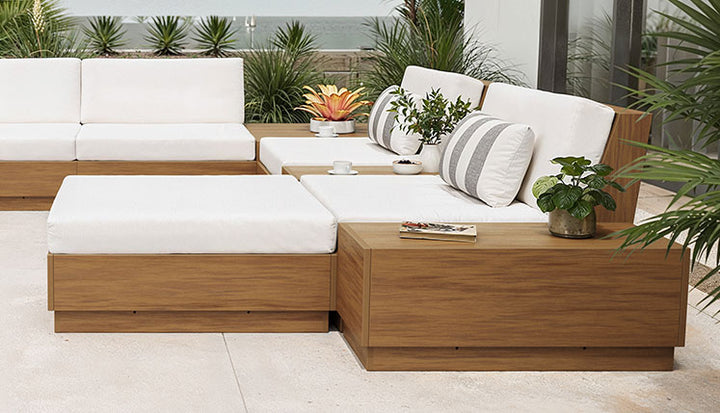
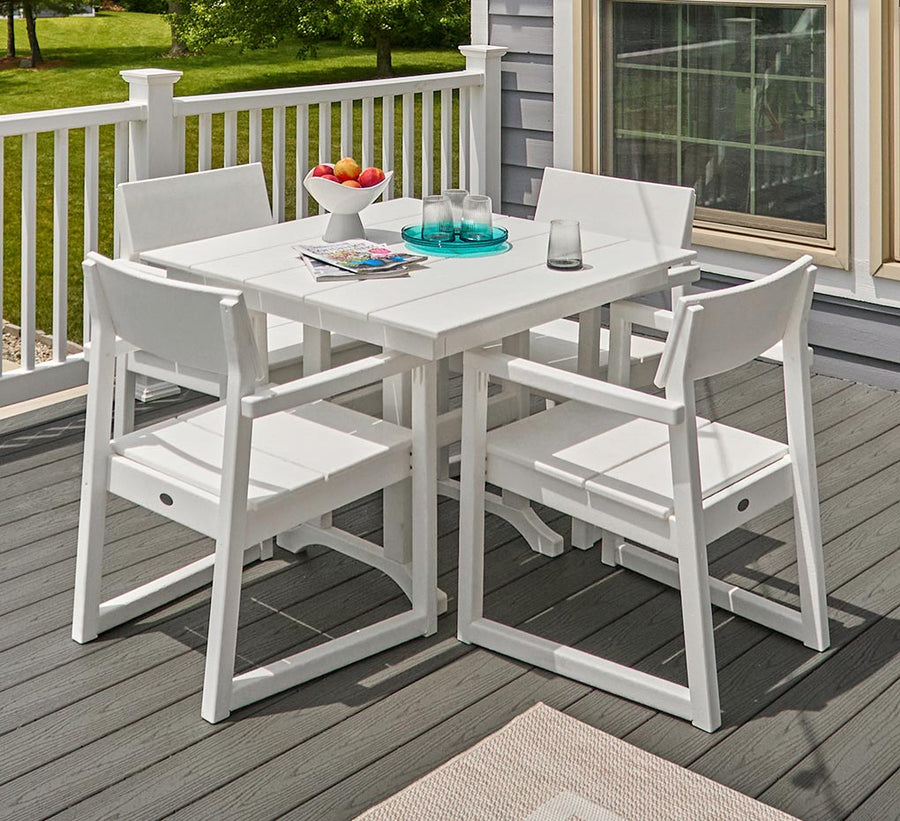
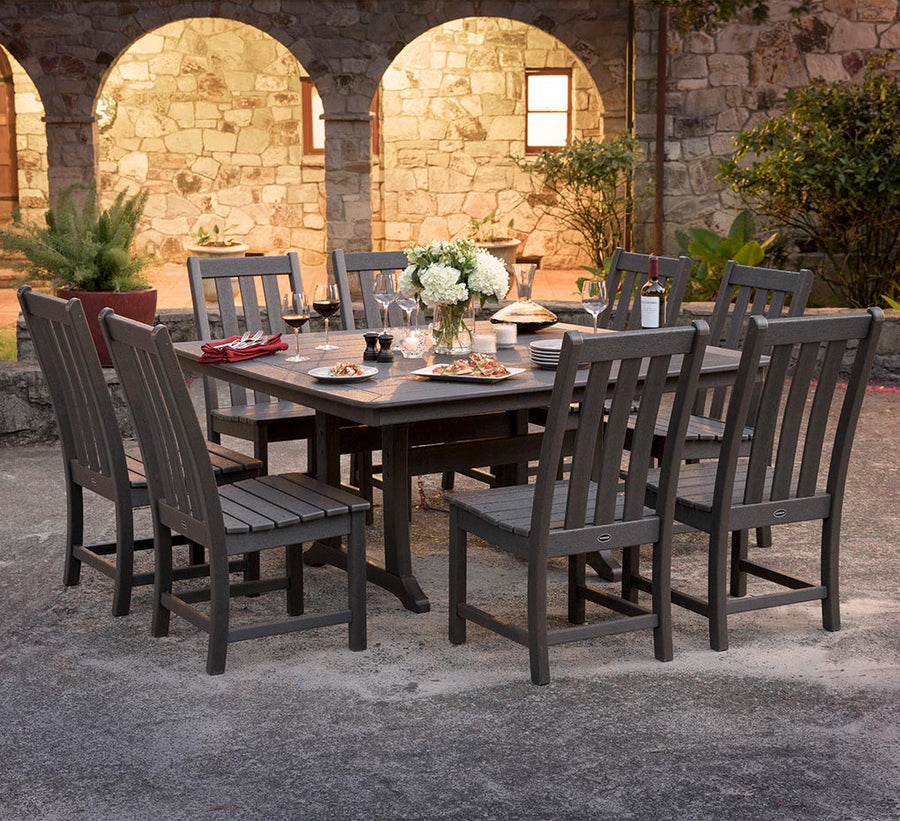
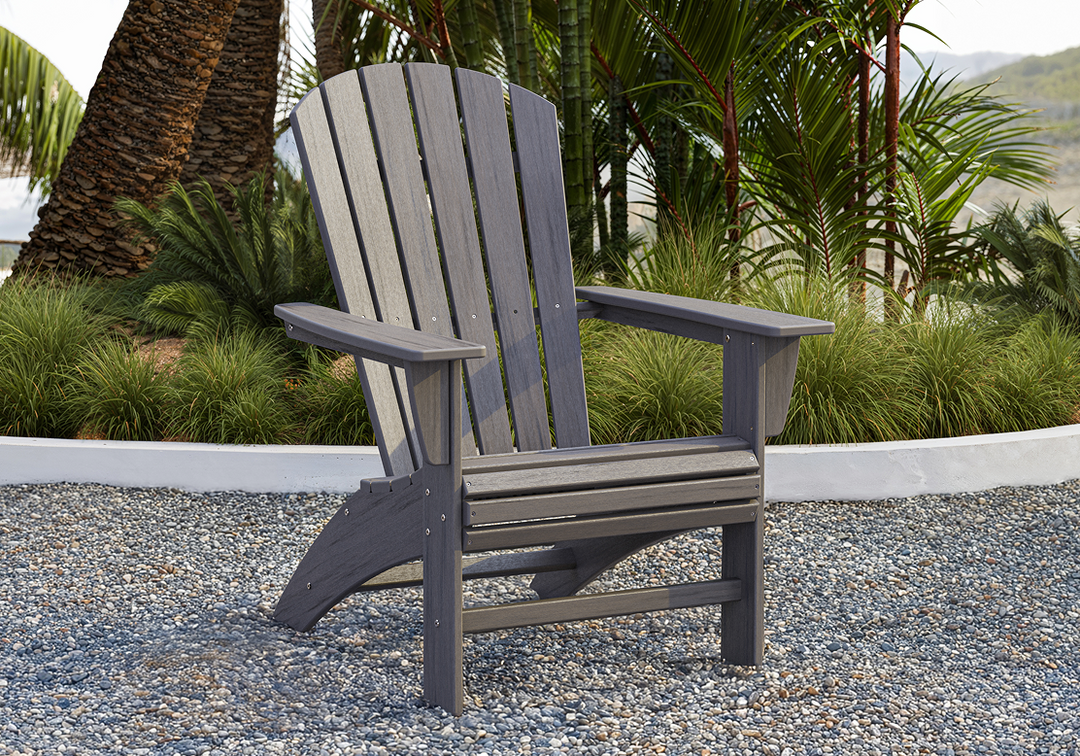
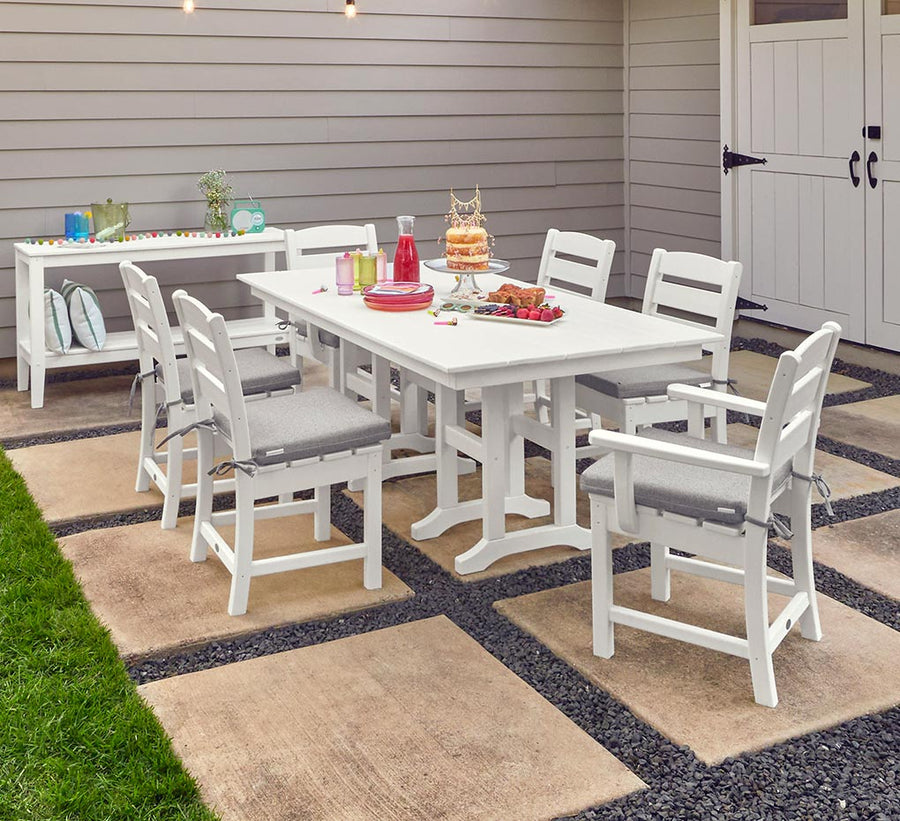
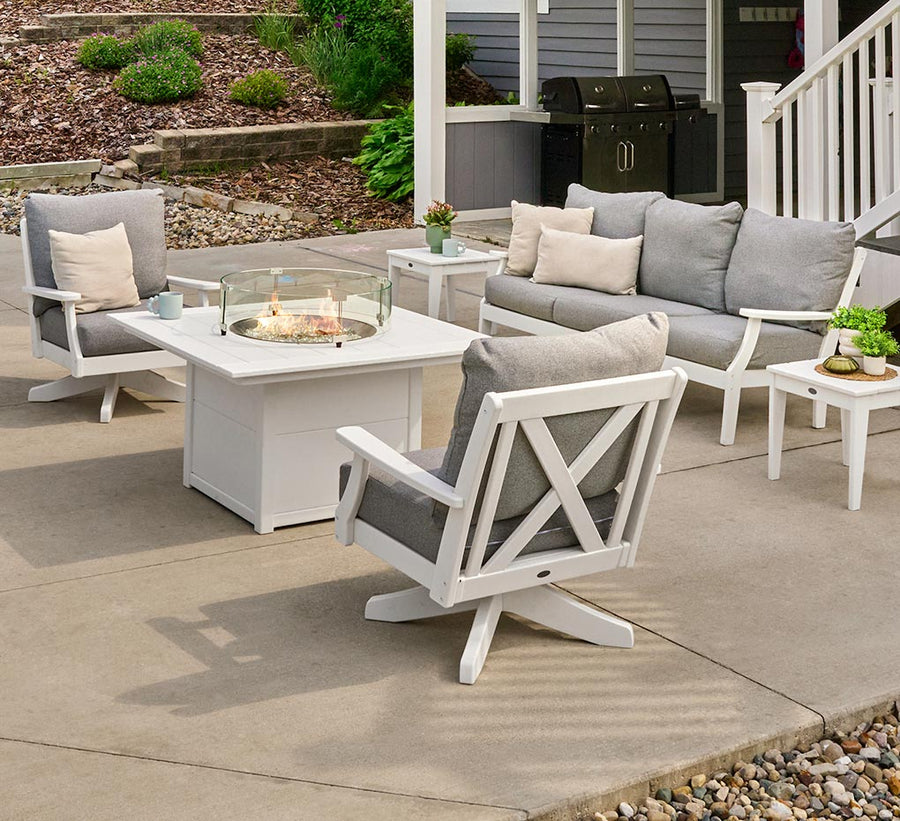
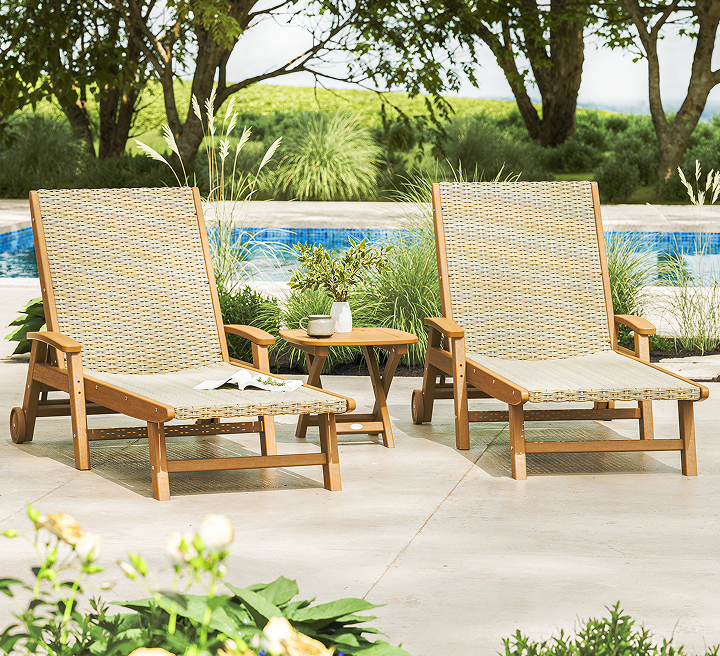
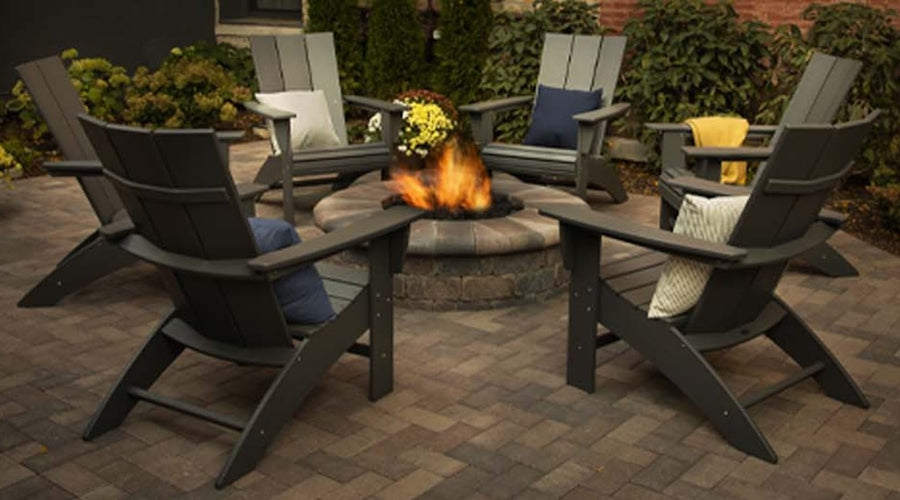
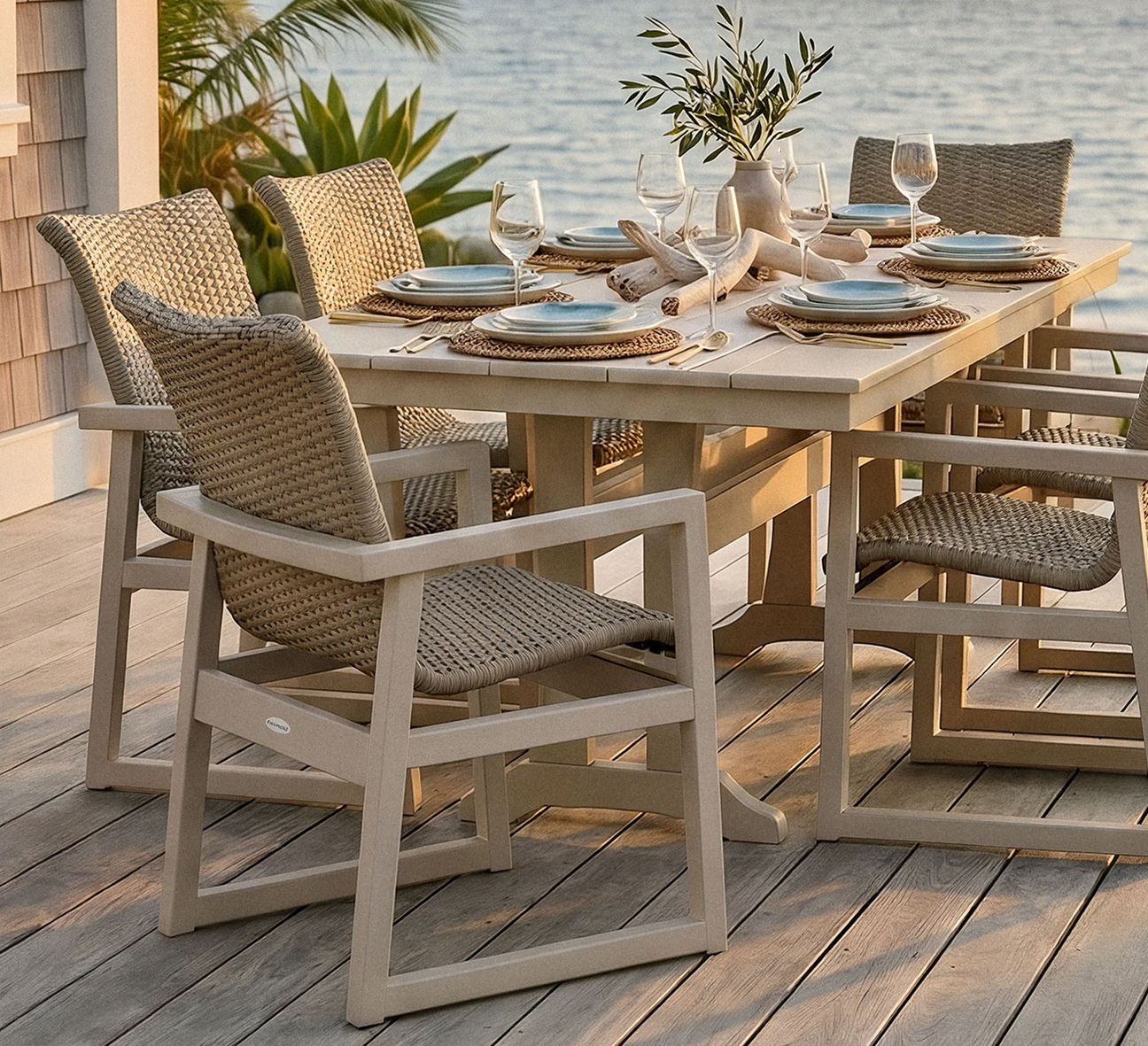
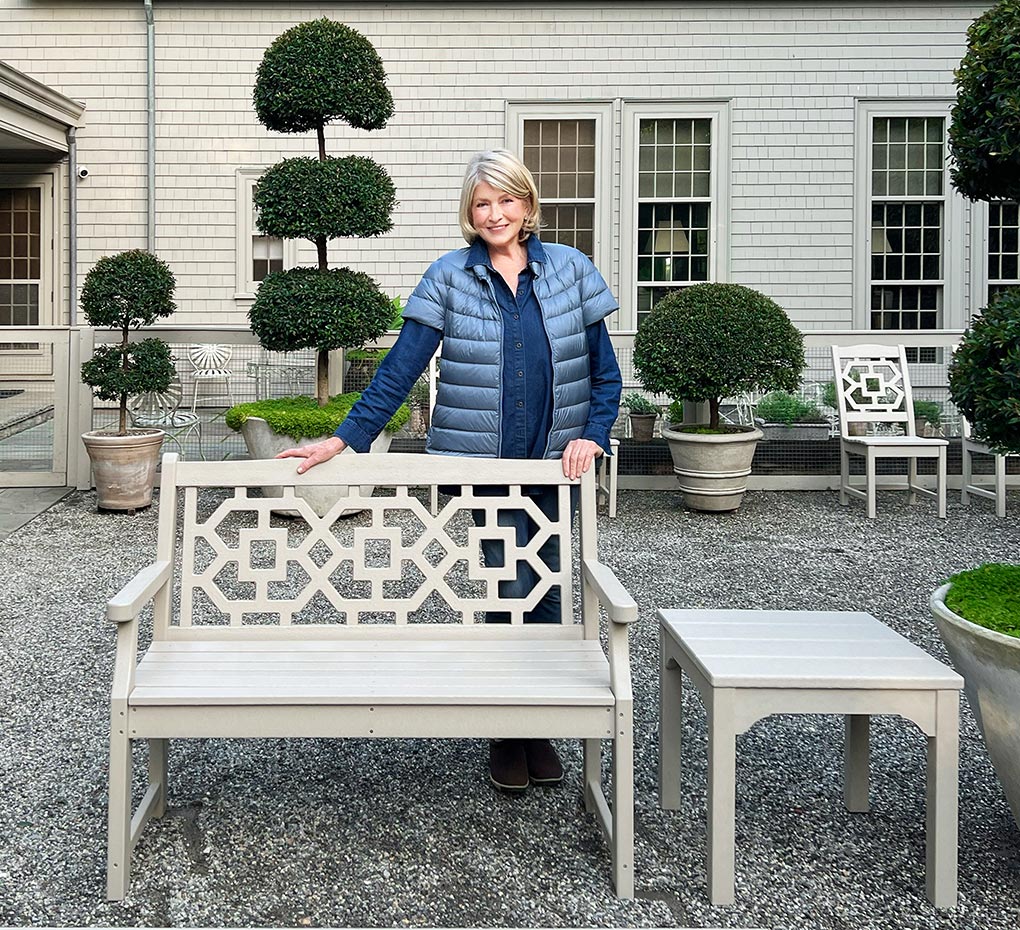
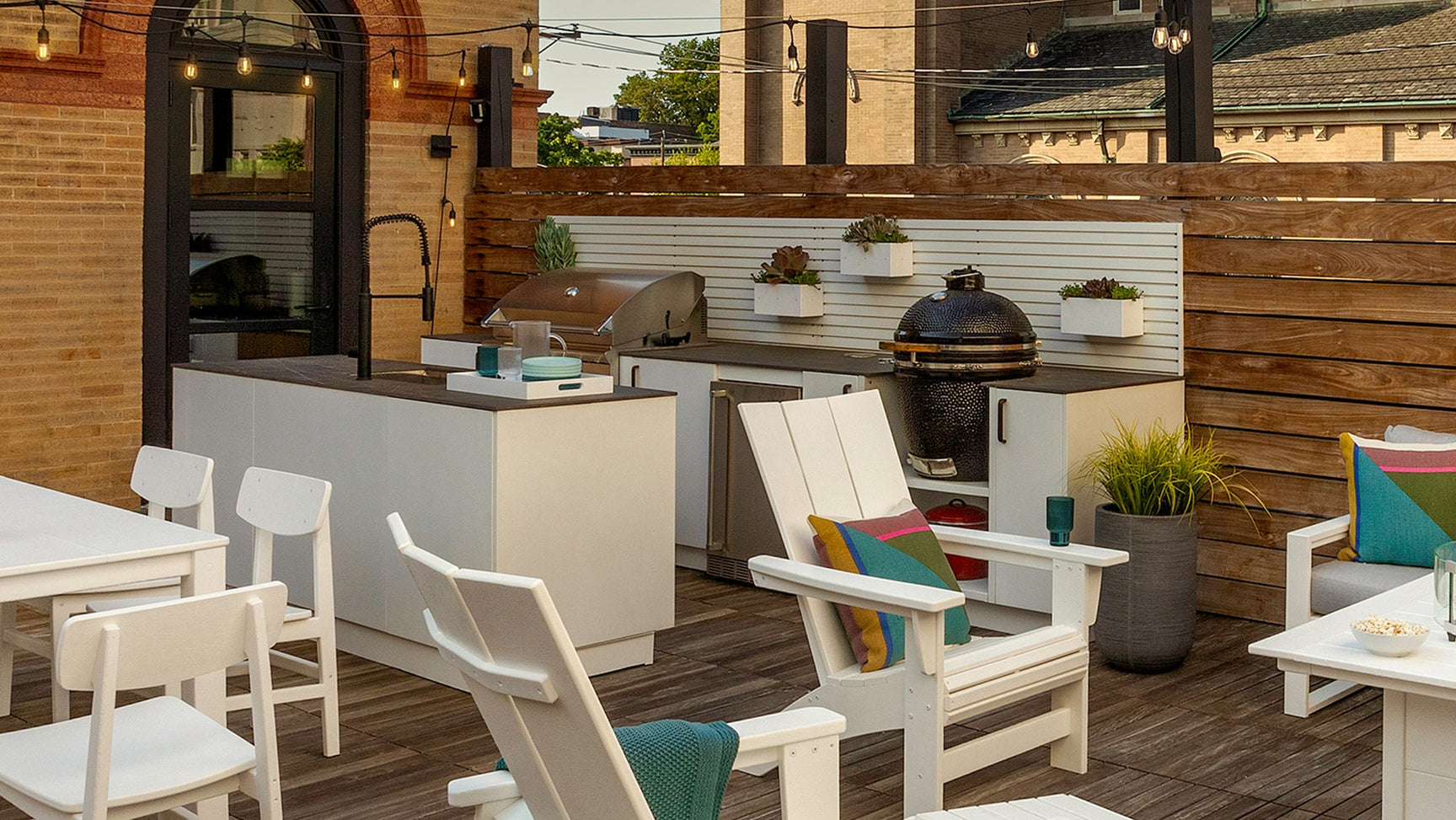
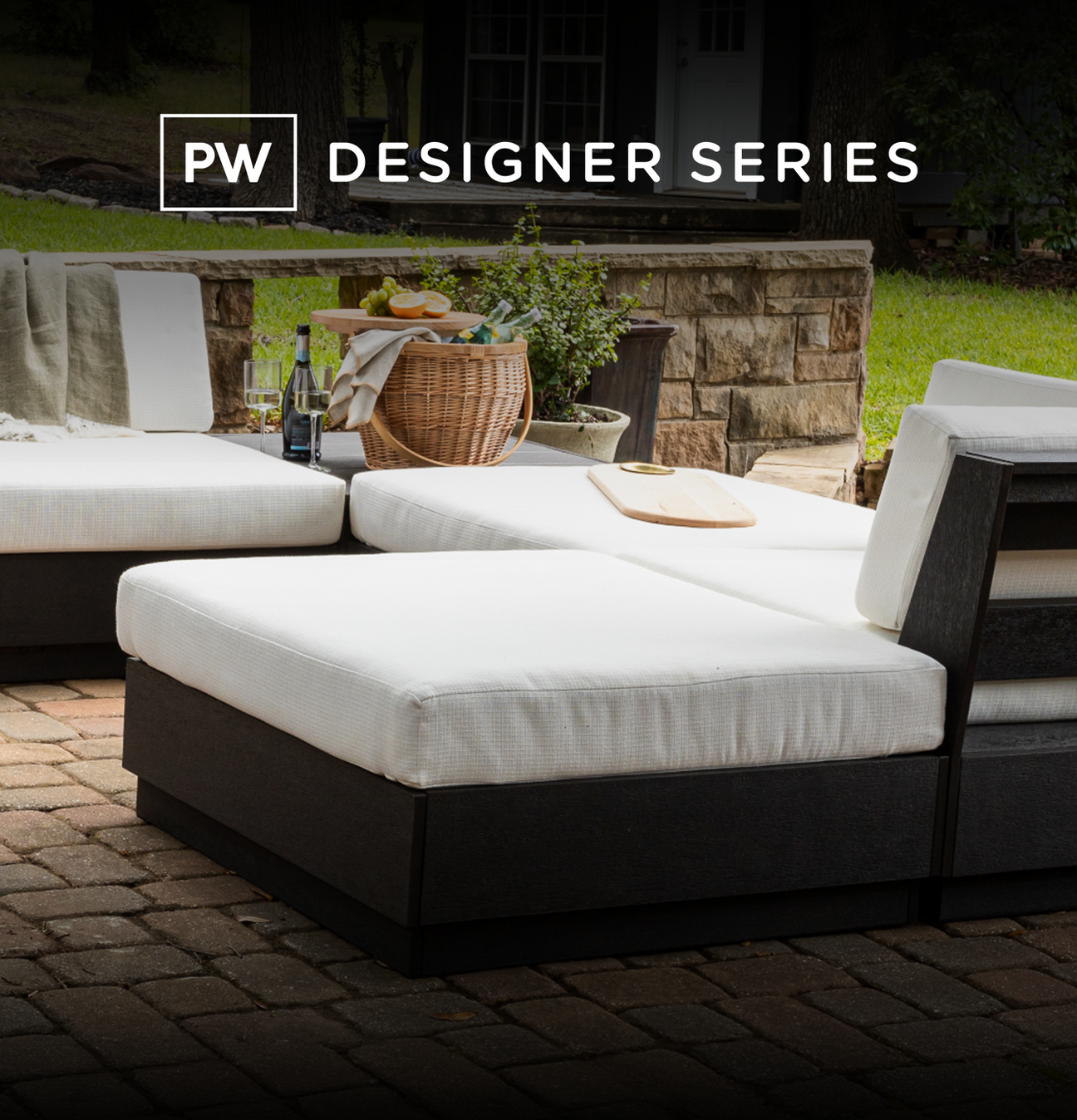
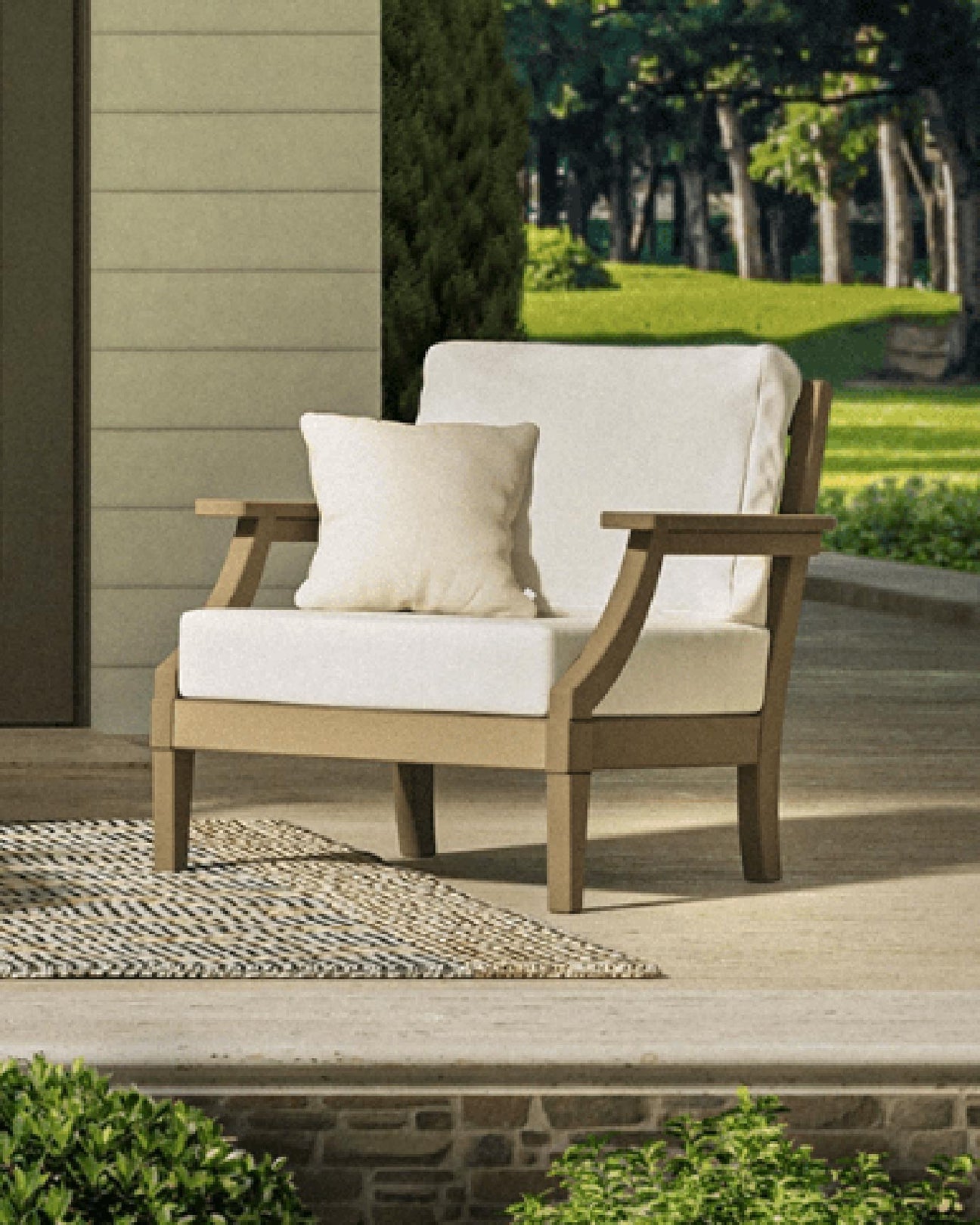
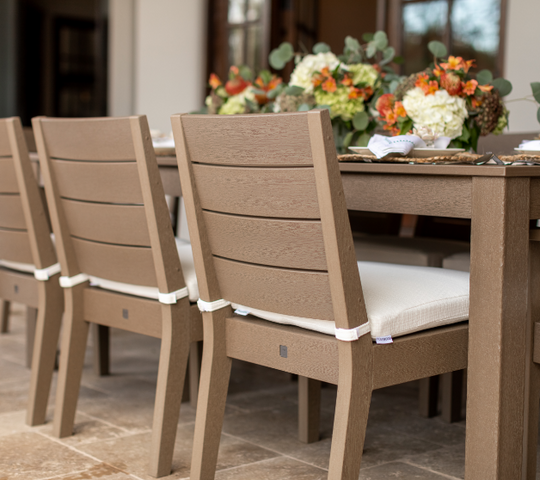
Furniture for community centers helps turn patios, courtyards, and other outdoor gathering areas into welcoming places to connect. These shared spaces serve many purposes, from a quiet break between activities to conversation after a class or an outdoor meal during a neighborhood event. POLYWOOD outdoor furniture brings a dependable, timeless approach to settings where comfort and lasting value matter. For recreation departments, nonprofit organizations, neighborhood associations, and facility managers, furniture selection is about more than appearance: it is about supporting the everyday rhythms of a place used by people of different ages and interests. Seating areas can make an entrance feel more inviting, give families a place to gather while waiting for activities, or extend the usable space beyond the building. Dining areas can support refreshments, informal meetings, and group activities outdoors. A coordinated look creates continuity across these different settings, while thoughtfully arranged gathering spaces allow lively conversation and quieter relaxation to coexist without making the grounds feel crowded.

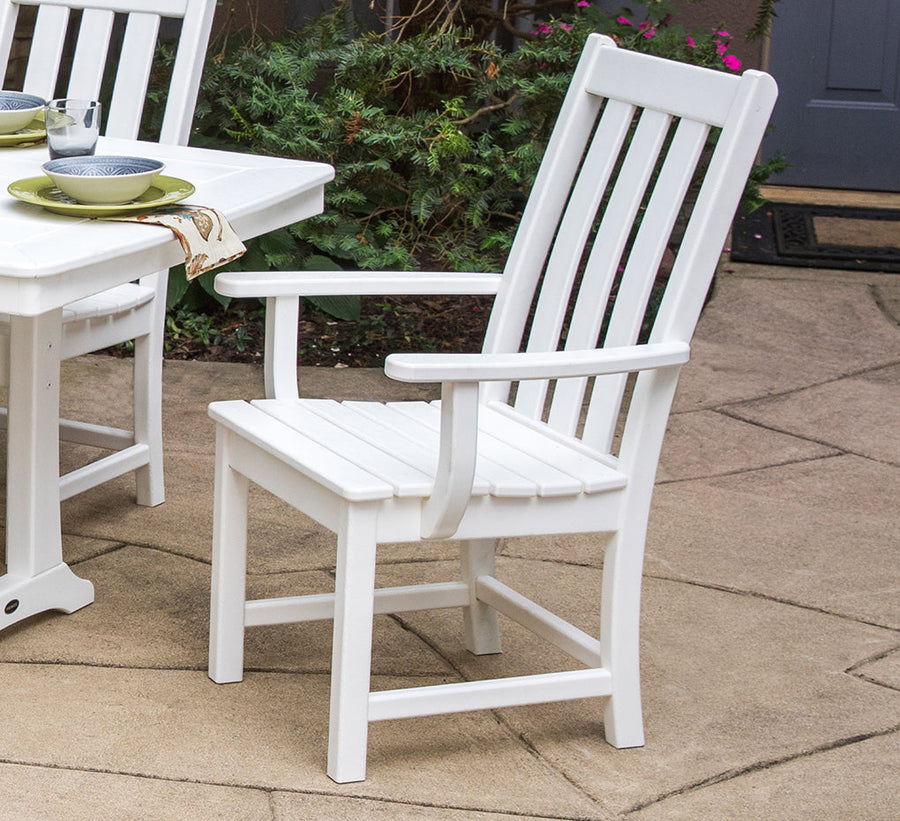
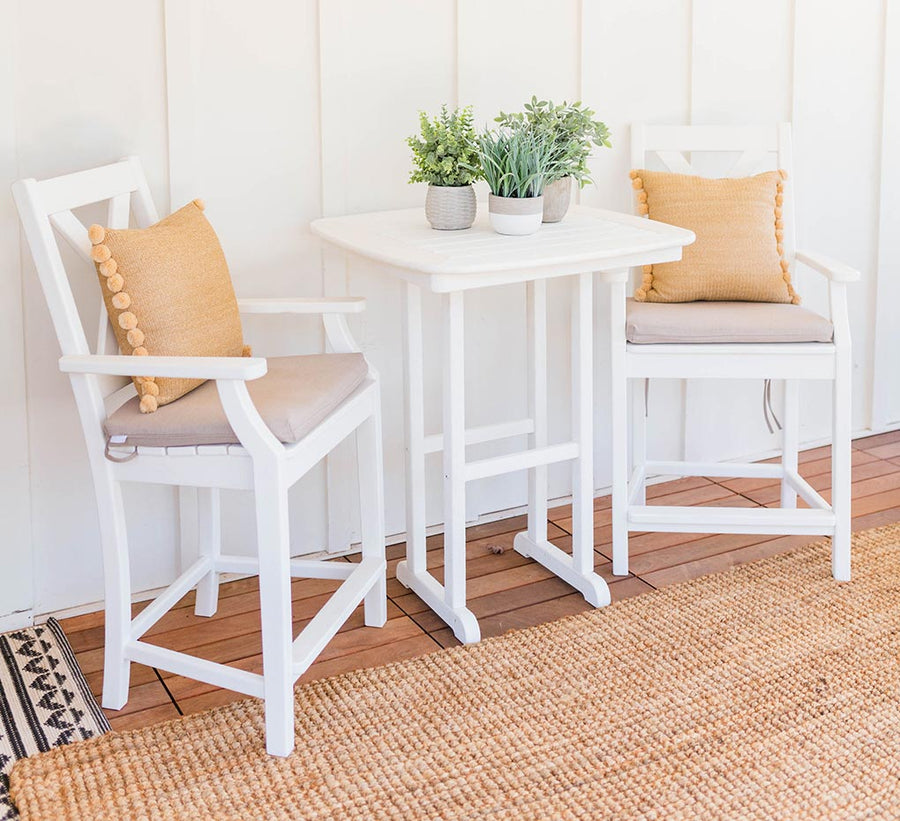
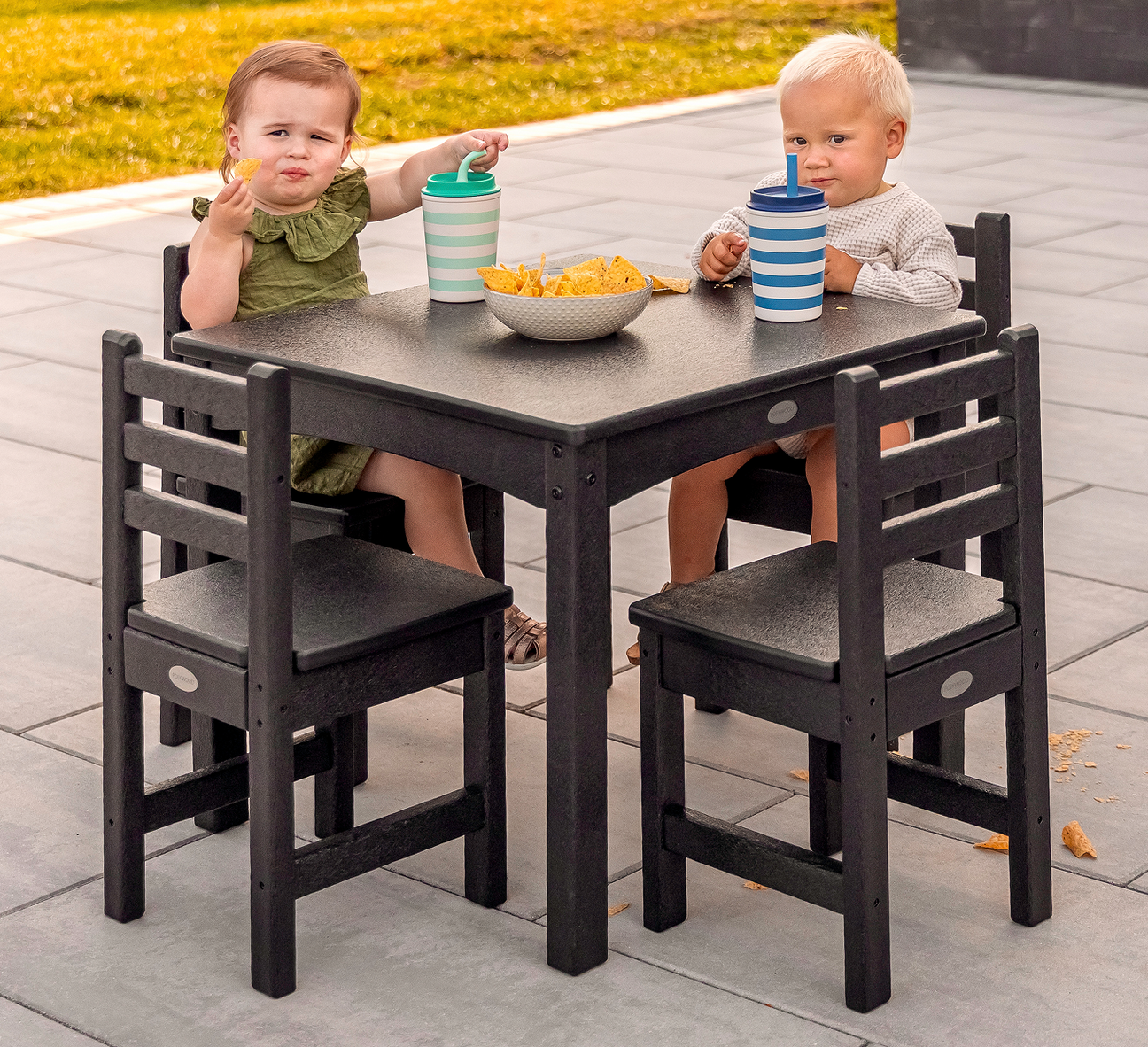
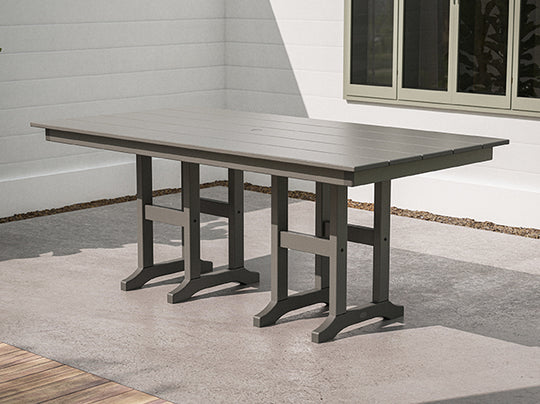
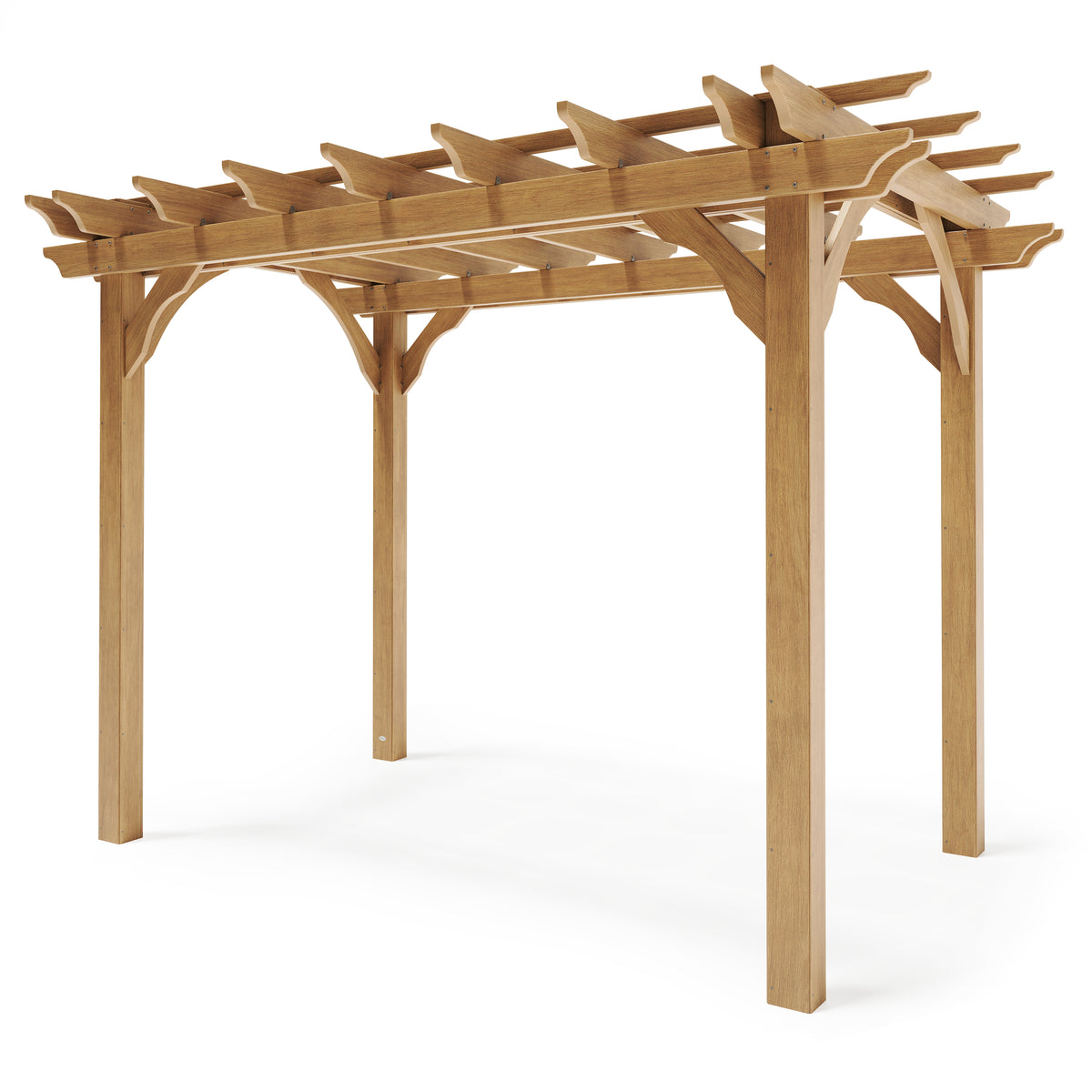
Choosing furniture for a community center involves balancing the scale of the space with the ways visitors use it. More compact arrangements can suit smaller patios and areas near entrances, while larger gathering spaces may benefit from distinct zones for conversation, dining, and individual seating. Furniture dimensions, seat height, seat depth, and arm support are meaningful considerations when comparing options for a broad range of visitors. Table height and legroom also matter wherever people will eat, socialize, or participate in activities. Clear circulation space around each arrangement helps accommodate everyday foot traffic, strollers, and mobility aids, especially near doors and popular gathering points. The overall footprint deserves as much attention as the number of seats, since furniture should leave room for people to move comfortably through the area. Style and color can complement the center’s architecture, landscaping, and existing furnishings, creating an outdoor setting that feels like a natural extension of the facility rather than a separate space. A timeless design is especially useful where furnishings need to remain relevant through changing programs and seasons.

Long-term value is an important part of furnishing outdoor community spaces, where exposure to the elements and regular use make durability a practical priority. American-made POLYWOOD outdoor furniture reflects an emphasis on all-weather performance and enduring design, well suited to the lasting role these gathering places play in a neighborhood. When comparing furniture options, care requirements, placement, and expected use all contribute to the overall purchasing decision. Furniture that fits the center’s routine can make upkeep more manageable, while a cohesive selection can support a consistent appearance across multiple outdoor areas. Choosing with longevity in mind also supports a more thoughtful approach to purchasing, with less reliance on short-lived furnishings that need frequent replacement. For organizations balancing operating needs with welcoming public spaces, lasting comfort and dependable outdoor performance offer value beyond the initial purchase. Well-chosen furniture gives visitors a reason to settle in, spend time together, and enjoy the outdoor spaces that make a community center a meaningful part of daily life.

Read More

Frequently asked questions

What types of outdoor furniture should a community center consider?

Consider seating for conversation, dining furniture for shared meals, and benches for gathering areas. Let everyday activities guide your choices, whether your community center hosts outdoor classes, neighborhood celebrations, or casual get-togethers.

How can outdoor furniture complement a community center’s style?

Look for timeless silhouettes and colors that coordinate with the building and surrounding landscape. A consistent design direction helps patios, courtyards, and garden gathering areas feel connected while giving each setting its own character.

How can community centers arrange outdoor furniture for different activities?

Organize furniture around the ways people gather. Group chairs for conversation, create a dining area for meals and crafts, and place benches near gardens for quiet breaks. Distinct activity areas give the outdoor setting a clear, welcoming layout.

What colors are a good choice for community center outdoor furniture?

Neutral tones offer a classic foundation, while brighter accents can reflect a community center’s identity. Coordinate furniture colors with existing landscaping, exterior finishes, and decor for a cohesive look that feels welcoming season after season.

How should community centers care for outdoor furniture?

Include furniture care in the regular groundskeeping routine. Remove leaves and debris, address spills promptly, and follow the manufacturer’s cleaning and seasonal care recommendations. Check care instructions before choosing cleaning tools or products, since requirements vary by finish and construction.