









 POLYWOOD
My Wishlist
Easily build your wishlists, or save them for later to add to the cart. Click here for details.
POLYWOODEasily build your wishlists, or save them for later to add to the cart. Click here for details.
Main Menu - Mobile

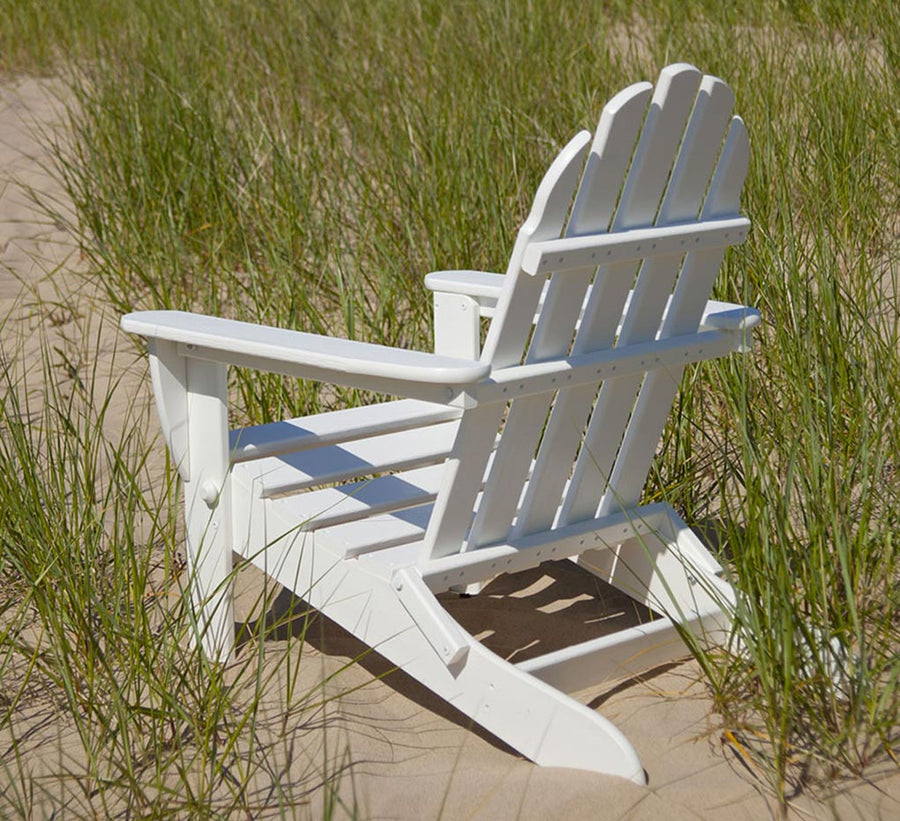
The Adirondack chair has remained the outdoor’s signature seat for over 120 years for one simple reason: comfort. Thomas Lee's original 1903 design featured a reclined back, wide arms, and a sloped seat, all of which can be seen in the countless iterations that followed.
When so many Adirondack chair sizes, styles, and shapes exist, choosing the right one can be a (fun) challenge. This buyer's guide covers everything you need to know: Adirondack chair dimensions, styles, features, accessories, and other details to help you find your perfect seat.
In This Article
First things first: Determine if buying an Adirondack chair makes sense for your lifestyle.
Adirondacks are primarily intended for lounging. They often offer practical features, such as wide armrests to hold drinks or cell phones, supportive contoured seats, and optional cushions and ottomans for linger-worthy comfort.
Traditional Adirondack chairs are longer due to their reclined backrests, which translates to them taking up more room than upright styles. However, some styles can be folded and stacked, sliding easily into storage to free up space.
Lounging is the primary purpose of an Adirondack chair—its design perfectly positions you to get comfortable and stay that way for hours.
The reclined back lets you lean all the way in, while wide arms make space to rest a book, your elbows, or a drink. The seat slopes down and back, so no shifting or adjusting is needed—once you’re settled in, you’re staying put.
Traditional designs have low-sitting, tilted seats, and individuals with mobility concerns may have difficulty getting into or out of these chairs. The reclined backrests may also be challenging for those with hip or back problems.
An upright or elevated Adirondack chair may be a better choice for those with accessibility challenges. The taller designs stand up straighter with minimal recline in the seats and backs.
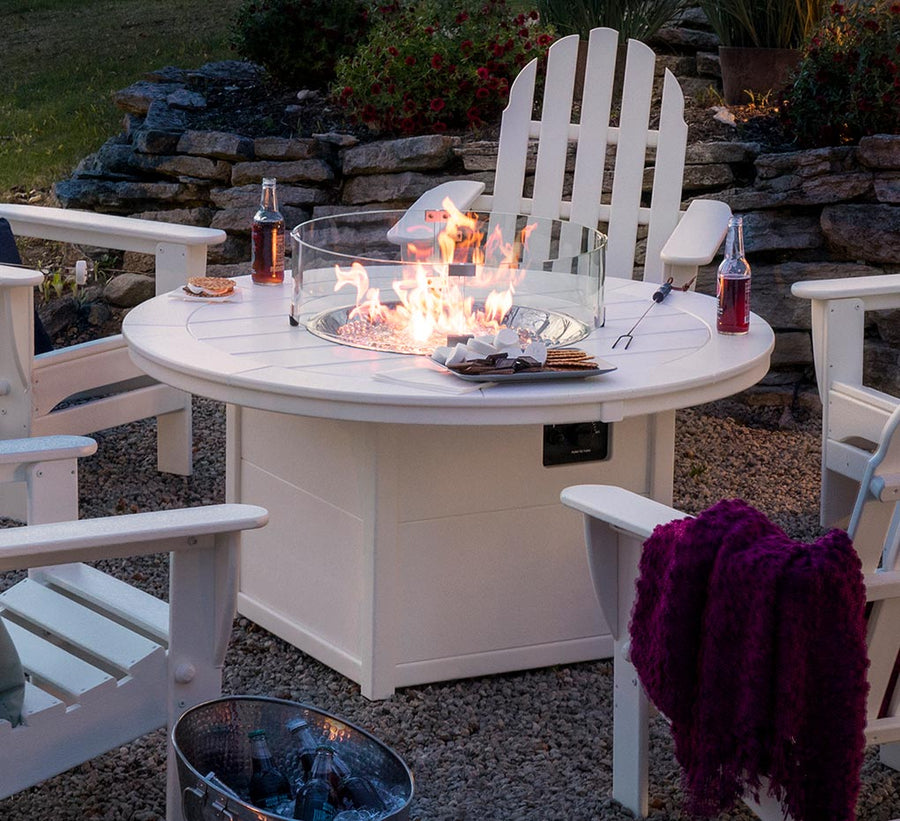
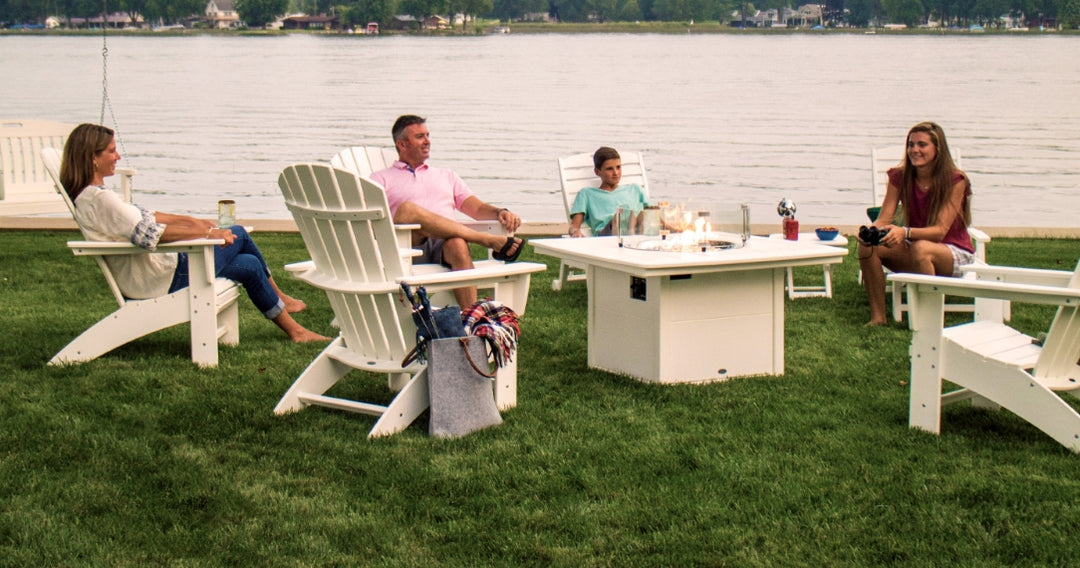
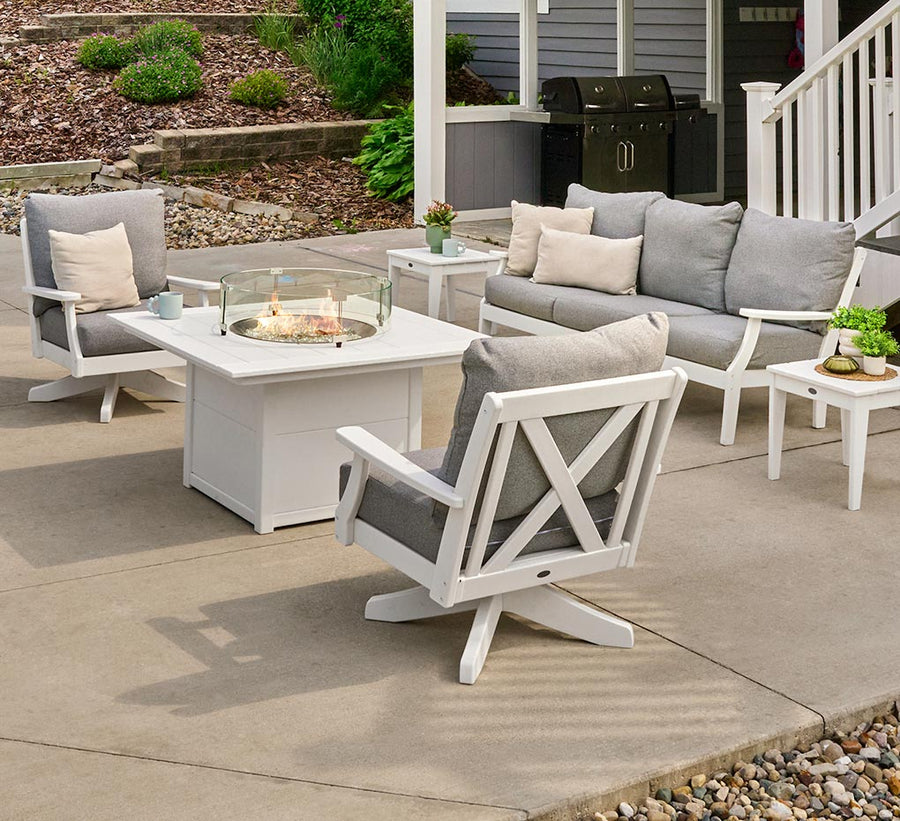
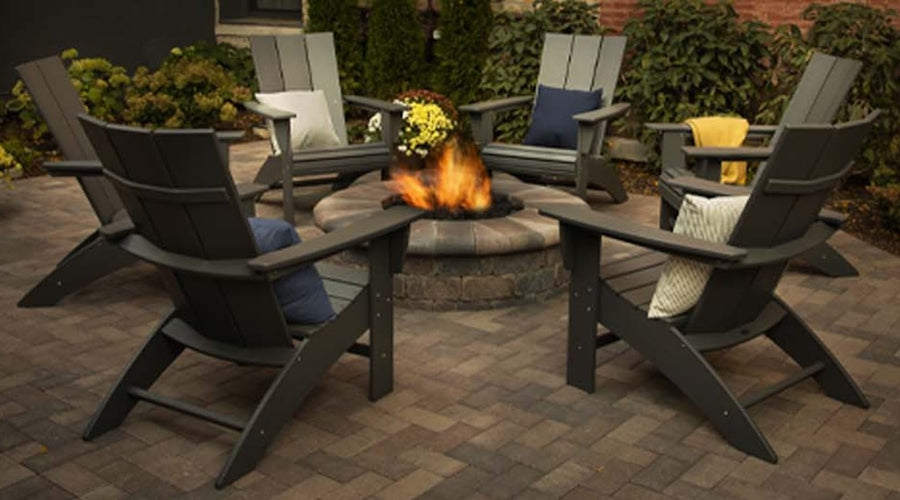
From classic to modern, Adirondacks come in a variety of styles, yet each evokes that unmistakable sense of summertime relaxation. Their diverse designs mean there’s an Adirondack to complement nearly any outdoorsy scene. More often than not, you’ll find them around fire pits, near swimming pools, or in similar settings where comfort and leisure are prioritized.
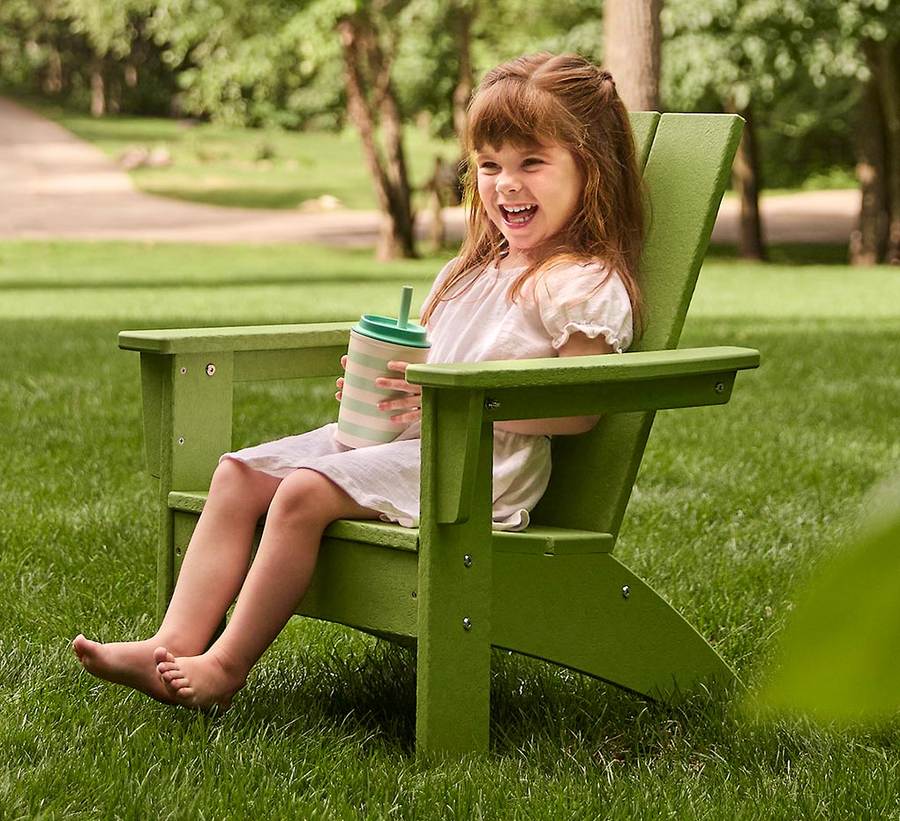
Kids are another consideration—they deserve to be comfortable too. Many families add miniature Adirondack chairs to lounge together with little ones. For a cohesive look, you may even find ones that mirror yours.
Traditional Adirondacks take up more space than upright styles due to their reclined backrests.
Upright high Adirondack chairs have taller frames and have you sitting forward, similar to dining chair designs.
If off-season storage is a concern, look for small Adirondack chairs that take up less space or folding styles. You can collapse folding Adirondack chairs and store them in your shed, closet, or garage to free up valuable floor space (or tuck them into your trunk for your next road trip).
Keep these factors in mind when comparing outdoor furniture materials:
Hardwood: Beautiful with superior density, teak, cherry, ipe, and similar hardwoods are popular Adirondack chair materials.
Points to Consider:
Softwood: Furniture built from pine, cedar, and other softwoods is beautiful and budget-friendly, attractive qualities to homeowners.
Points to Consider:
Aluminum: Aluminum Adirondack chairs are popular due to their lower costs and lightweight designs.
Points to Consider:
High-density polyethylene (HDPE): Prized for its durability and easy upkeep, HDPE is used in a variety of outdoor applications, from furniture to fencing.
Points to Consider:
Injection-molded plastic: This common furniture material is readily available and inexpensive.
Points to Consider:
Once you’ve decided on the right materials, you will want to think about seat size, height, and spacing.
Most Adirondack chairs stand between 34 to 44 inches tall, 24 to 33 inches wide, and 24 to 38 inches deep. Depending on the material, they could weigh between 7 and 58 pounds.
We suggest spacing Adirondack chairs two to three feet apart so guests have room to move around them and provide three feet of clearance in front for comfortable sitting and standing. A 10-foot square area comfortably fits three to four chairs.
With this in mind, we recommend taking your patio's measurements first and then finding an Adirondack chair size that complements. Adirondack chair dimensions are easy to find—typically listed on individual product pages on a company’s website.
This refers to the seat size in its entirety. Looking at the overall sit will tell you if there's enough room to rest comfortably or if you should search for a larger or smaller chair. Considering your body type is essential to achieving maximum relaxation; a chair that fits your shape will provide better support and keep you comfortable longer.
Cozy: Just the right amount of room to relax.
Roomy: Offers extra snuggle-up space.
Grand: Large and sturdy with ample elbow room.
This refers to how high a seat sits off the ground at its lowest point. Lower seats angle downward from front to back, while taller designs come closer to standing parallel to the floor.
Lowest: Sits near the floor with a pronounced pitch, the go-to for serious lounging.
Classic: An elevated profile with a subtle recline that supports extended relaxation.
Highest: Tall and slightly sloped, making standing up a simple task.
All Adirondack chairs have reclined backrests—it's one of the style's signature features—but the level of lean varies.
Relaxed: The most intense tilt, ideal for cat naps and stargazing.
Conversational: A less pronounced incline that holds you a little higher.
Upright: Set higher and angled forward, similar to a dining chair.
Explore how Adirondack chair designs have evolved to prioritize comfort, convenience, and diverse preferences.
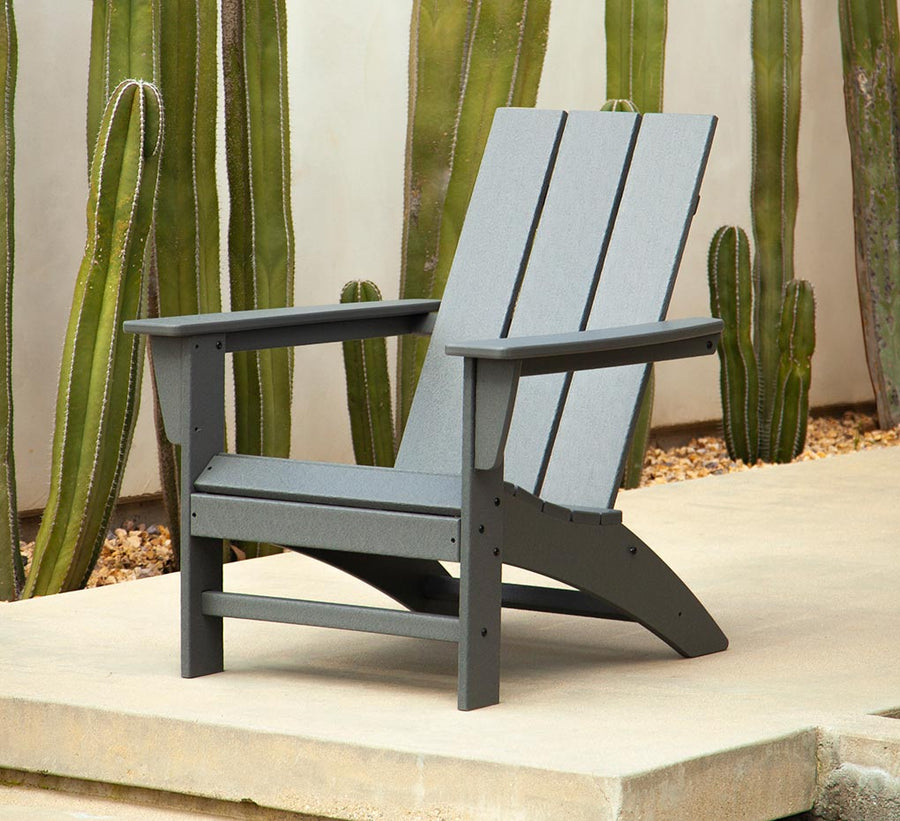
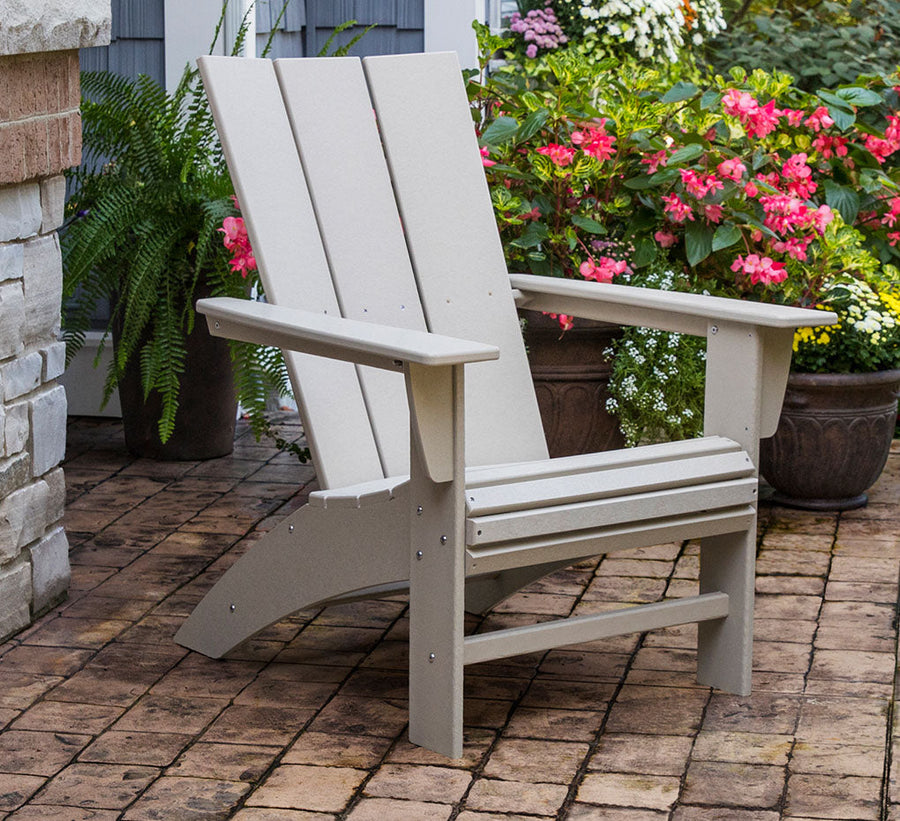
A sleek interpretation of the iconic design, modern Adirondack chairs blend clean lines and crisp angles with the details you're familiar with, such as wide arms and contoured seats.
Classic Adirondack styles are the closest in appearance to the original design, boasting soft lines and a timeless charm that appeals to everyone.
This fresh take on the traditional design offers stronger angles while maintaining the seat's reclined silhouette, subtle curves, and contours.
These collapsible seats are great travel companions and store with ease.
This seat features a rounded slat design cascading over the front like a waterfall. It's visually appealing and offers extra knee support.
The ultimate relaxation seat. These curvaceous chairs feature contoured seats and rounded backs that cradle your body.
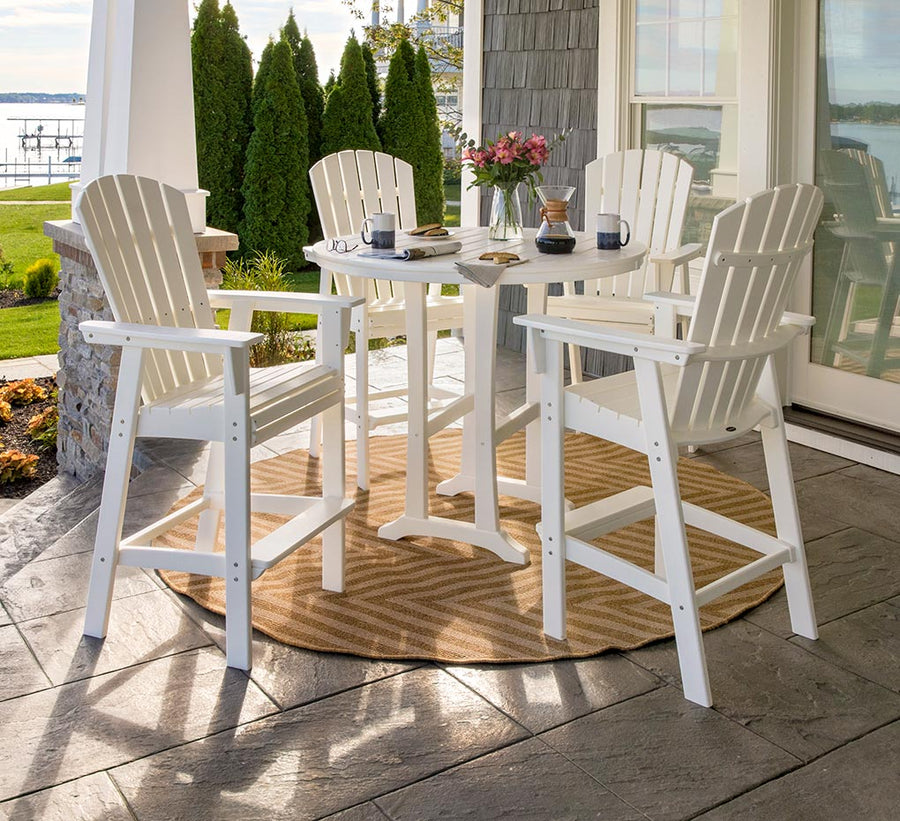
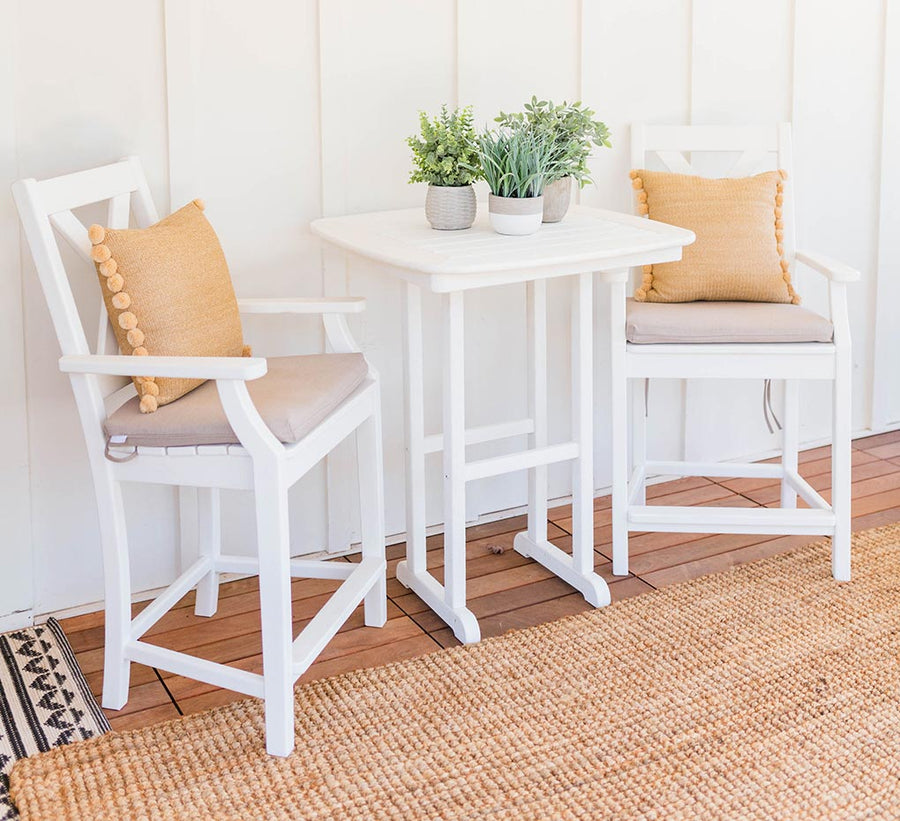
Often reserved for alfresco occasions, bar- and counter-height Adirondack tall chairs elevate any outdoor meal or happy hour.
These seats are designed at a larger scale to support individuals who desire ample space to stretch out.
Adirondack chairs with attached ottomans save space without compromising comfort. Pull the footrest out when you want to kick up your feet, then tuck it away beneath the seat when you're finished.
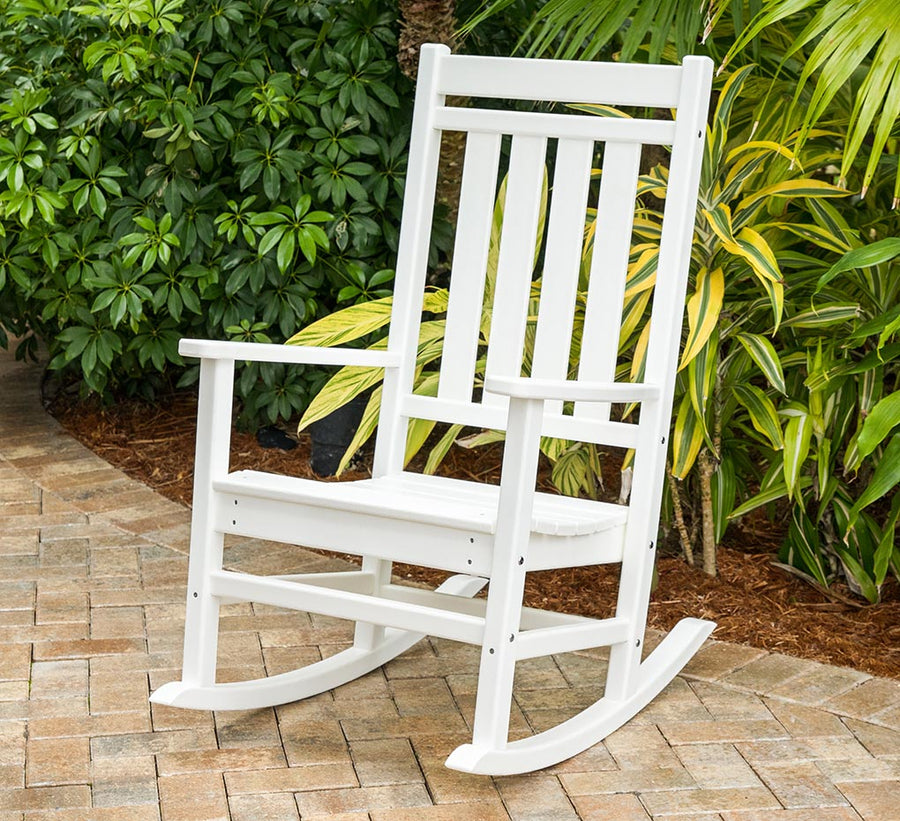
Ideal for swaying away summer days on the porch or grouped around a glowing fire, Adirondack rockers combine the best elements of two beloved styles.
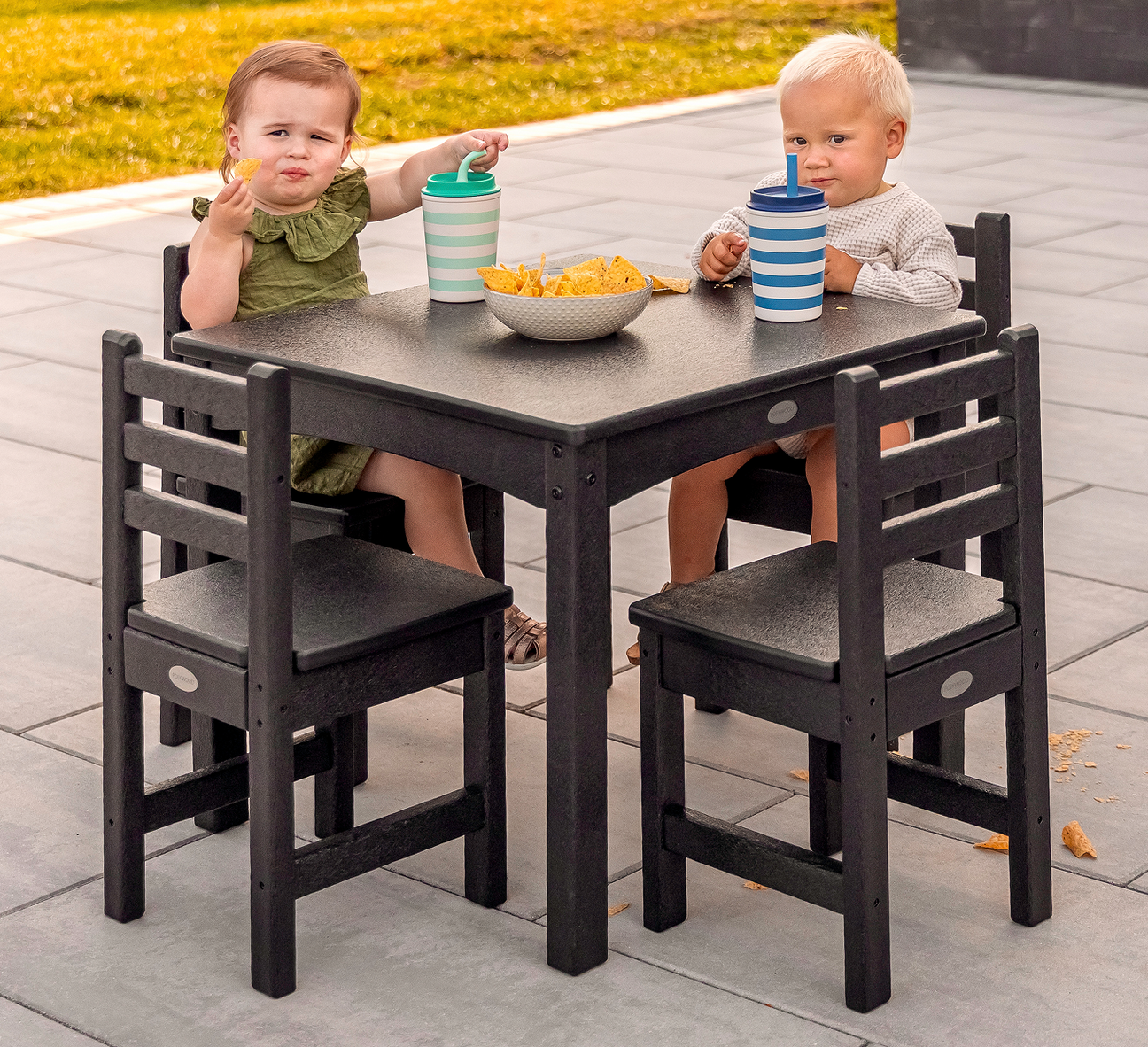
Sized just right for your little loungers, these miniature Adirondack chairs are perfect for relaxing after a long day’s play.
Adirondacks come in ample color options to open up a world of palette-pleasing possibilities. Before settling on seat shades, ask yourself the following questions:
What shades fit my home's current color palette?
Make furniture selections that work with your home's hues, the surrounding landscape, and your tastes.
What outdoor aesthetic am I aiming for?
Select shades that complement the look you want. A dark and moody design calls for black or navy chairs with charcoal cushions, but citrus-hued seats work best with a tropical-themed patio.
Your environment will play a big role in your color selections. Darker shades are better at hiding stains and dirt, but they absorb heat more quickly than lighter colors—not ideal for areas that experience intense sun.
Additionally, climates with higher sun exposure can cause colors to fade faster. No material is completely immune to fading, but your safest bet is to choose ones that offer some UV resistance. You can also increase color longevity by using durable covers and moving seats to shaded areas or storage when they're not in use.
Browse our suggested outdoor color schemes to put your Adirondacks in the best light.
Browse our suggested outdoor color schemes to put your Adirondacks in the best light.
Evoke the serene ambiance of the seaside with this cool, calming color palette. The selection of relaxing shades creates an airy, casual atmosphere that beckons you to sit back and relax.
Design an earth-toned color scheme by drawing on your home’s surrounding landscapes. The resulting look is warm and welcoming to all who enter.
Warm and cheerful, a sun-kissed color palette energizes an open-air room and encourages lively conversations.
Elegant yet simplistic, a monochrome scheme relies on various shades of a single color, which turns down the visual noise and brings balance to a space.
Highlighting the natural beauty of arid landscapes, this color palette shines with warm neutrals and refreshing hints of green.
Mirror the lush greenery and clear blue skies of the tropics with this colorful palette.
Bring the sun-soaked style of southern Europe to your home with this warm-meets-cool color scheme.
A true classic transcends trends. Try this refined color combination in your home to create an inviting and enduring aesthetic.
Soft and subtle, this color scheme leans on light hues to create a delicate and airy vibe.
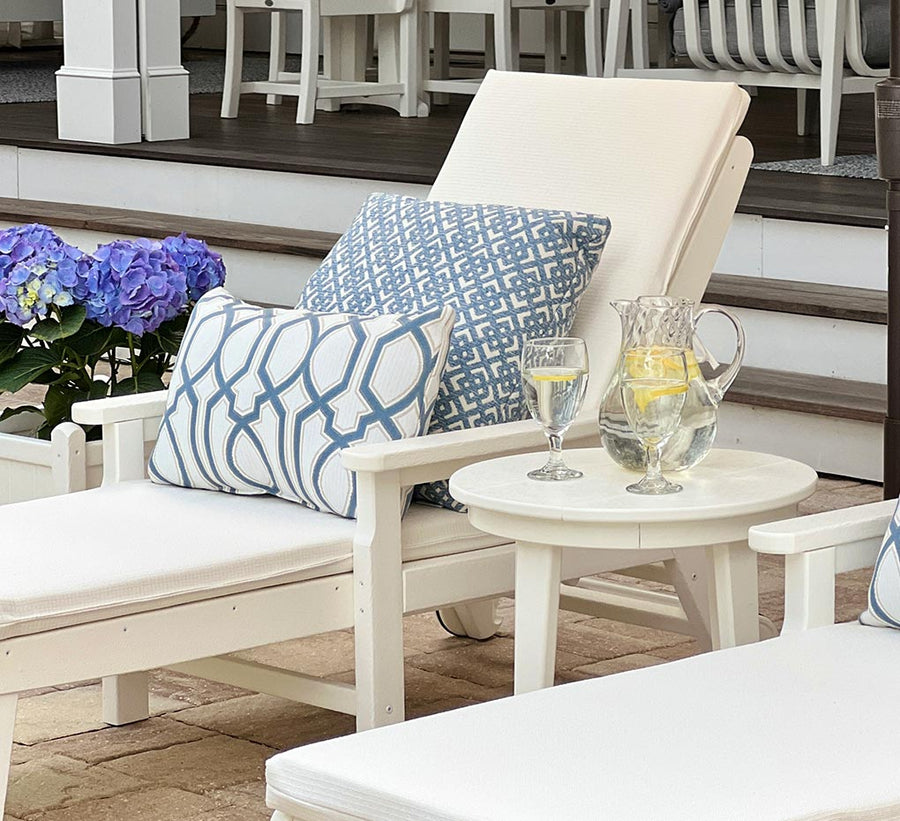
Surround your seat with comfort-boosting accessories.
Standard Adirondack chair dimensions are as follows: 34 to 44 inches tall, 24 to 33 inches wide, and 24 to 38 inches deep.
Look for small Adirondack chairs that are around 28 to 30 inches wide or folding designs you can easily store to free up floor space.
Certainly! Adirondack chairs are known for comfort with their wide arms, slanted backs, and tilted seats.
The name comes from New York’s Adirondack Mountains, where this chair was invented by Thomas Lee in 1903.
Both chairs are similar in design, but Muskoka chairs feature a slight shape variation in their backs and arms. The term “Muskoka” is commonly used in Canada, while “Adirondack” is popular in the USA.
Comfort is subjective, so choosing a seat that gives you the most relaxing experience is a discovery you get to make on your own. Easily peruse all of our styles with our POLYWOOD Adirondack comparison guide.
Caitlin Evans
Cait is an Indiana-based creative content writer who has been with POLYWOOD since 2020. She’s a Purdue alumna, a proud logophile (word nerd), and an advocate of the Oxford comma. In her free time, Cait loves gardening, cooking, running, camping, and spending time with her husband and four fur children.
Are you missing items in your cart? Sign In


